A label with a return in its story
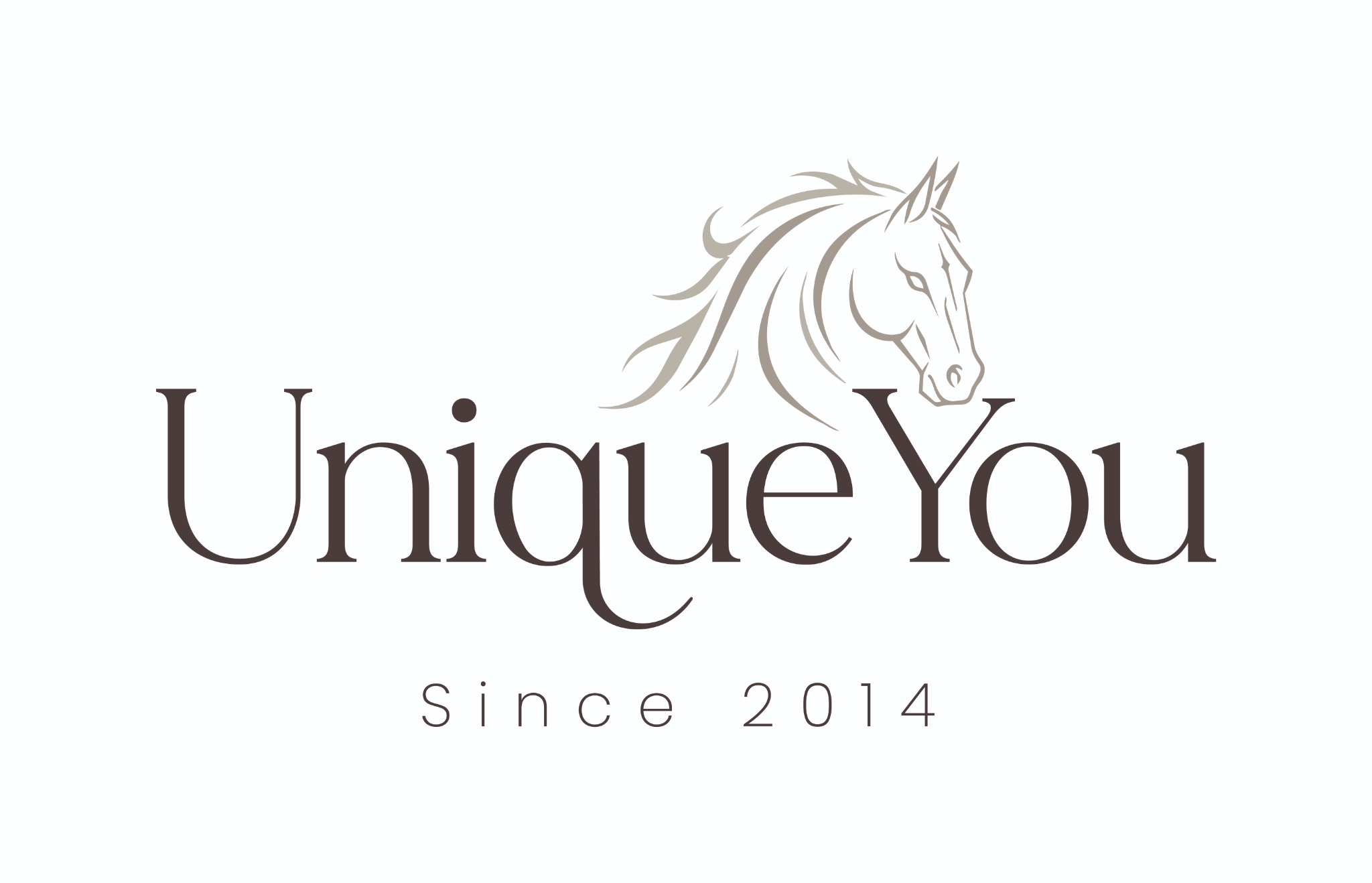
The brand’s story begins in 2014 with scarves and clothing. That beginning was followed by a pause; the label later returned after recovering its domain. It is a more interesting history than a claim of uninterrupted growth, and it is worth telling plainly. Its original brown wordmark includes a horse motif and “Since 2014,” while a neutral taupe palette gives the identity a quiet, warm character. Those visual details suggest a direction, but they cannot decide whether a particular scarf belongs in your closet. For that, start with the clothes you wear, the shapes you like and the occasions on which you would use it.
The appeal here is accessible elegance rather than a demand to dress for a different life. A scarf can be an everyday finishing touch, an extra layer or a deliberate note of contrast. It does not have to be all three. The most convincing choice often fills a small gap: a color missing from a dark coat, a softer line beside a tailored jacket or a wrap you can imagine wearing more than once.
Think like an editor: keep what earns its place
Film editing is partly an exercise in deciding what a detail contributes. Applying that instinct to an accessory purchase can be surprisingly helpful. Lay out three outfits you already wear: perhaps a workday combination, a casual weekend look and something for an evening out. Ask whether the same scarf improves at least one of them without requiring new shoes, a new bag or an unfamiliar style of dress. If it does, it has a role. If it only looks persuasive against a carefully arranged background, pause before choosing it.
This is also a way to avoid mistaking novelty for usefulness. A vivid square scarf can make a simple shirt feel intentional; a broad wrap may be more useful when your wardrobe includes sleeveless dresses or light outer layers. Neither is automatically more versatile. Think about your actual routine, how much fabric you enjoy wearing and whether you prefer to tie, drape or simply throw a piece over your shoulders. A good accessory should leave you feeling like yourself, only a little more composed.
Begin with shape and scale
Before comparing colors, decide what sort of scarf you want to handle. A smaller square can sit close to the neck, be folded into a neat band or add a compact accent near the face. A longer scarf gives you room for a loose loop and lets its ends become part of the outfit. A shawl or wrap covers a wider area, making it a different choice for an open neckline or a dress that needs an additional layer. These are styling possibilities, not fixed rules; the dimensions and drape of an individual item still matter.
Proportion changes the effect. If a coat already has a high collar and strong shoulders, a compact scarf may feel less crowded than a large wrap. If an outfit is spare, a broader piece can supply movement without adding another garment. Consider where the fabric will sit when you walk, take off your coat or carry a bag. A scarf you enjoy arranging once but find awkward for the rest of the day is unlikely to become a favorite.
Materials deserve a closer look than their names
Silk, cashmere and wool are useful starting points for browsing, but a category name is not a substitute for a product’s composition details. The brand has categories for these materials, and composition varies by product. Check the individual description before buying, particularly if the fiber content matters to you or to the person receiving a gift. Also look for the stated size and care information where available. These practical details are easier to overlook than a photograph, yet they shape how a scarf fits into ordinary life.
Think in terms of the feel and role you want rather than assuming one fiber is always the best option. A light square scarf and a substantial winter scarf solve different styling problems. A wrap intended to sit over a dress is judged differently from something tucked inside a coat. Photographs can suggest texture and drape, but they cannot tell you exactly how an item will feel in your hands. Reading the product details, then comparing them with scarves you already own and wear, is a more grounded way to choose.
Give color a supporting role—or the lead
A scarf can either repeat a color already in your outfit or introduce one clear contrast. Repetition is often the easier route: pick up a tone in a coat, a knit or a pair of trousers, and the accessory will feel connected even if its pattern is lively. Contrast can be just as effective when the rest of the outfit is restrained. Against navy, charcoal, cream or brown, a distinct accent becomes visible without needing several other statement pieces to compete with it.
Look beyond whether a color appeals on its own. Hold it mentally beside the outerwear you use most and the colors nearest your face. A pattern may connect several pieces in your wardrobe, while a plain scarf may give a busy outfit room to breathe. If you enjoy both approaches, choose according to the gap you want to fill: quiet continuity or a deliberate point of attention. The aim is not to follow a palette rule perfectly. It is to make getting dressed easier when the day is already underway.
Three ways to style without changing your character
For an understated daily look, keep the scarf close to an existing neckline and let one color relate to your coat or top. This works particularly well when you want the accessory to finish an outfit rather than announce itself. For a more graphic approach, fold a square scarf neatly and place it against a plain shirt or simple knit. The crisp line can do much of the visual work, so other accessories can stay quiet. For an evening or occasion outfit, let a shawl or wrap fall over the shoulders instead of tying it tightly; the change in silhouette may be all the adjustment you need.
These are options, not a uniform. Try the piece with the jacket you actually leave the house in, not only the outfit you imagine wearing someday. Notice whether the ends sit comfortably, whether the fabric stays where you want it and whether you like the result in ordinary light. As with lighting a scene, the same detail can read differently in a new setting. The useful test is how the scarf looks and feels across the places you really go.
A gift should suit the recipient, not just the occasion
A scarf can be a thoughtful gift because it does not require the precise fit of a tailored garment, but it still calls for observation. Look at the recipient’s familiar colors, the scale of patterns they choose and whether they wear accessories at all. Someone who favors small, neat details might enjoy a square scarf more than an expansive wrap. Someone who often reaches for a coat and a simple knit may appreciate a scarf that adds color without asking them to rethink the rest of their clothes.
If you are uncertain, start with what you know rather than guessing at an imagined special-occasion self. Check the individual item’s dimensions, composition and care details, and consider whether the recipient would enjoy wearing it in their usual climate and routine. A gift note can explain the connection you saw—perhaps a color that recalls a favorite jacket—without making extravagant claims about the item. Thoughtfulness lies in the match between person and piece, not in how dramatic the reveal looks.
Use the wardrobe as your reference image
The easiest way to choose well is to take inventory before browsing. Identify the outer layer you wear most, two tops that regularly make it into rotation and one outfit that feels unfinished. Note the colors and necklines, then decide what the scarf should contribute. Is there a need for warmth, a softer shape, a brighter accent or a layer over a dress? Once the purpose is clear, it becomes easier to compare a long scarf with a square scarf, or a wrap with a shawl, without being distracted by every appealing image.
It is also worth checking for duplication. If you own several scarves in nearly the same shade and never reach for them, another variation may not solve the problem. If you consistently use one style, you may already know which size and drape suit you. Let that experience guide the next choice. The brand’s emphasis on accessories that work with a woman’s existing wardrobe is most useful when treated as a practical question: what will this piece help you wear more confidently tomorrow?
Browse with curiosity, finish with a decision
A regional collection can help narrow the search to a material, shape, season or color, but a collection name should not be taken as a promise about every item in it. Open the individual product details for the scarf that interests you. Compare its dimensions and stated composition with the role you have in mind, then imagine at least two real outfits it could join. If you cannot picture either one, it may be a beautiful idea rather than the right purchase.
There is no need to turn a simple accessory into a complicated project. Give yourself a few useful criteria, allow room for personal taste and stop when a piece meets them. The regional guide below points to language-specific destinations and selected categories; it is a way to begin exploring, not a ranking of countries or styles. Wherever you browse, the best measure remains the same: whether the scarf feels at home alongside what you already own.
A regional guide to browsing
The brand has 20 regional domains, 21 regional-language versions and 16 distinct languages. Those numbers differ because countries can share a language, and one country can have more than one language version. In particular, the United Arab Emirates has an Arabic-language root destination and an English-language /en destination on the same domain. Each entry below identifies its destination language before pointing to a home page or a relevant collection. Collection themes are starting points; consult individual items for their particulars.
Poland — Polish
For the Polish-language destination, the brand home page is UniqueYou. If a small scarf is the piece missing from your wardrobe, the Polish-language collection invitation for silk square scarves is — Poznaj ofertę. Compare the shape with the collars and necklines you wear most often.
Germany — German
The German-language home page is https://uniqueyou-store.de/. For a cold-weather starting point, the German-language winter scarf collection is linked through the brand name — UniqueYou. To consider wool scarves instead, the German-language invitation to learn more is — Mehr erfahren. Check each item’s stated composition rather than relying on its collection name.
Czechia — Czech
The Czech-language home page is https://uniqueyou.cz/. If you prefer a scarf close to the neckline, the Czech-language silk neck-scarf collection is linked through the brand name — UniqueYou. For a wider look at scarves, the Czech-language invitation to find out more is — Zjistěte více. Start by deciding whether you want a quiet detail or a visible accent.
Spain — Spanish
The Spanish-language home page is https://uniqueyou.es/. For an additional layer over a dress or simple top, the Spanish-language shawl collection is linked through the brand name — UniqueYou. If pattern is the priority, the Spanish-language invitation to see more leads to checked scarves — Ver más. Consider which option sits more naturally with your existing coats.
France — French
The brand’s French-language home page is UniqueYou. To explore a broader layer, the French-language invitation to learn more leads to shawls — En savoir plus. A shawl can change the outline of a familiar dress, so consider both its proportions and how often you would actually wear it.
Hungary — Hungarian
The Hungarian-language home page is https://uniqueyou.hu/. For a compact accessory, the Hungarian-language silk scarf collection is linked through the brand name — UniqueYou. If you are looking for a different material category, the Hungarian-language invitation to learn more leads to cashmere scarves — Tudj meg többet. Read individual product details before settling on a fabric.
Italy — Italian
The brand’s Italian-language home page is UniqueYou. For a wrap-shaped addition to an outfit, the Italian-language invitation to discover more leads to cashmere shawls — Scopri di più. Picture the piece with a dress or jacket you already wear, and check the item’s dimensions to see whether its scale suits that plan.
Romania — Romanian
The Romanian-language home page is https://uniqueyou.ro/. If you like a smaller scarf tied near the face, the Romanian-language cotton headscarf collection is linked through the brand name — UniqueYou. For another material category, the Romanian-language invitation to learn more leads to silk scarves — Află mai multe. Let the intended use guide your comparison.
Slovakia — Slovak
The Slovak-language home page is https://uniqueyou.sk/. For an accent that can work with a plain neckline, the Slovak-language silk scarf collection is linked through the brand name — UniqueYou. The Slovak-language invitation to find out more leads to neck scarves — Zistite viac. Compare sizes if you have a particular way of tying one in mind.
Finland — Finnish
The brand’s Finnish-language home page is UniqueYou. For a different approach to wearing a scarf, the Finnish-language invitation to read more leads to scarves for the head and hair — Lue lisää. Think about whether that styling suits your everyday routine, rather than choosing solely for the appeal of a photograph.
Sweden — Swedish
The brand’s Swedish-language home page is UniqueYou. To explore an additional layer, the Swedish-language invitation to read more leads to cashmere shawls — Läs mer. A shawl can sit over an outfit rather than inside a coat; decide which role you need, then check the individual piece’s details.
Denmark — Danish
The Danish-language home page is https://uniqueyou.dk/. If material is your first filter, the Danish-language cashmere scarf collection is linked through the brand name — UniqueYou. If color is the stronger clue, the Danish-language invitation to read more leads to brown scarves — Læs mere. A familiar coat may tell you which starting point is more useful.
Belgium — Dutch
The brand’s Dutch-language destination for Belgium is UniqueYou. If you are considering a softer-looking layer, the Dutch-language invitation to discover more leads to cashmere shawls — Ontdek meer. Belgium’s language label matters here: this entry points to Dutch, not to every language spoken in the country. Check the item details against the way you plan to wear it.
Austria — German
The brand’s German-language destination for Austria is UniqueYou. For an accessory designed to drape over an outfit, the German-language invitation to learn more leads to stoles — Mehr erfahren. Germany and Austria share a destination language in this guide, but have separate regional entries; choose the one that fits where you intend to browse.
Netherlands — Dutch
The brand’s Dutch-language destination for the Netherlands is UniqueYou. If you have a dress or celebration outfit in mind, the Dutch-language invitation to discover more leads to stoles for dresses and weddings — Ontdek meer. Consider whether the color and scale would also work with something you wear on less formal days.
United States — English
The English-language home page for the United States is https://uniqueyou-store.com/. For a broad starting point, the English-language scarves collection is linked through the brand name — UniqueYou. If you are choosing an extra layer for colder days, the English-language invitation to explore winter scarves is — Discover more. Individual product information is the place to check size and composition.
United Arab Emirates — Arabic
The Arabic-language root destination for the United Arab Emirates is https://uniqueyou.ae/. For a collection focused on cashmere shawls, the Arabic-language invitation to discover the collection is — اكتشفي المجموعة. This is the Arabic version on the shared regional domain; the separate English version follows in its own entry.
United Arab Emirates — English
The English-language destination for the United Arab Emirates is linked through the brand name — UniqueYou. It uses the /en version of the same regional domain as the Arabic root destination. Choose this entry when you want to browse in English, then judge individual scarves by the product details and the clothes you plan to pair with them.
Ireland — English
The brand’s English-language home page for Ireland is UniqueYou. If a broader layer would serve your wardrobe, the English-language invitation to discover more leads to cashmere wraps — Discover more. Imagine the wrap with an outfit you already own before deciding whether its shape earns a place among your everyday accessories.
United Kingdom — English
The English-language home page for the United Kingdom is https://uniqueyou.uk/. If your wardrobe needs a clear color accent, the English-language red scarf collection is linked through the brand name — UniqueYou. For a material-led search instead, the English-language invitation to discover more leads to wool scarves — Discover more. Check the particulars of any piece that catches your eye.
Portugal — Portuguese
The brand’s Portuguese-language home page is UniqueYou. To explore a scarf category with a different material focus, the Portuguese-language invitation to learn more leads to cashmere scarves — Saiba mais. Before choosing, compare the item’s dimensions and stated composition with the pieces you already enjoy wearing.
A scarf need not transform a wardrobe to be worth choosing. Sometimes its best work is quieter: helping the clothes you already love feel complete.