Start with the voice, not the hiding place
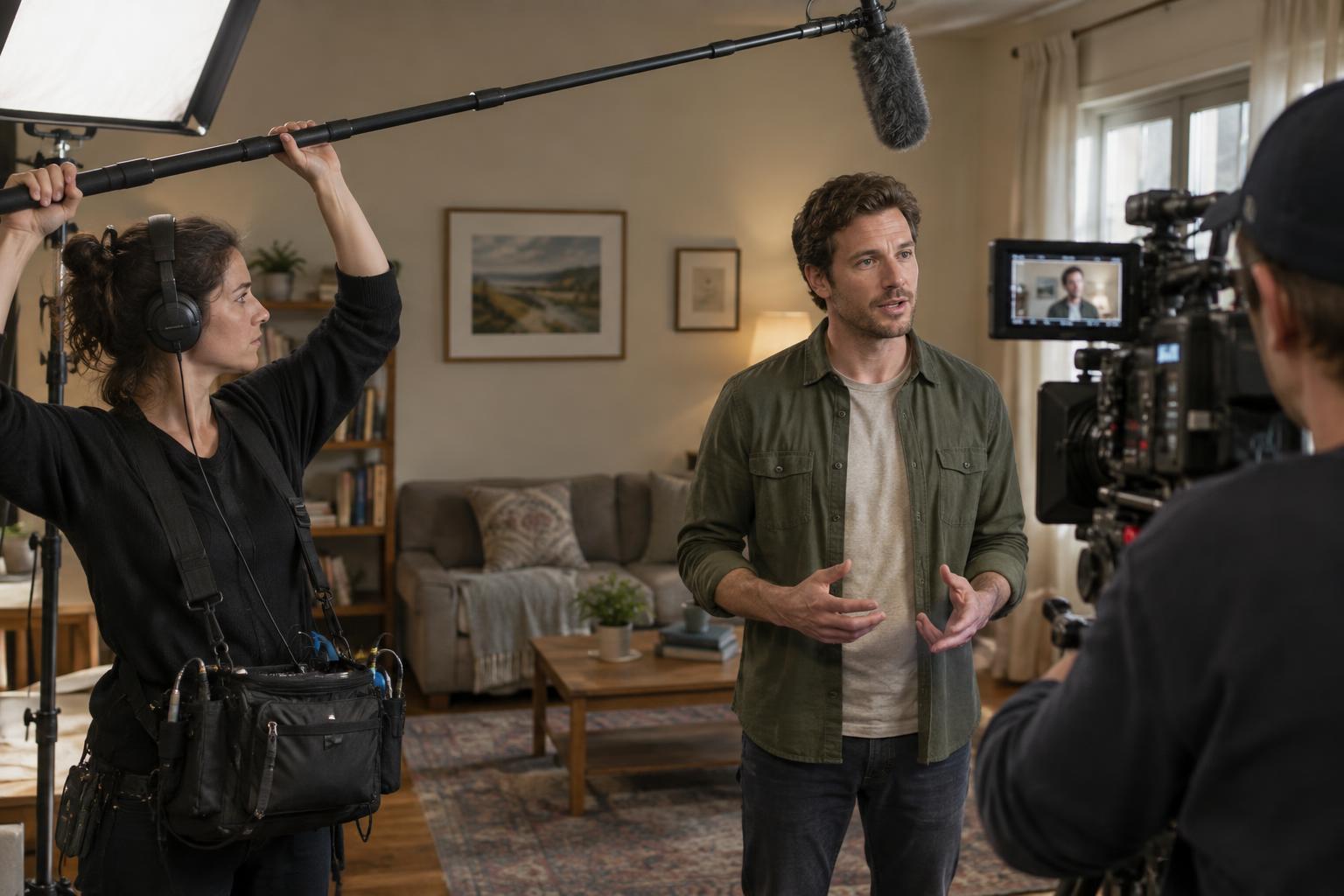
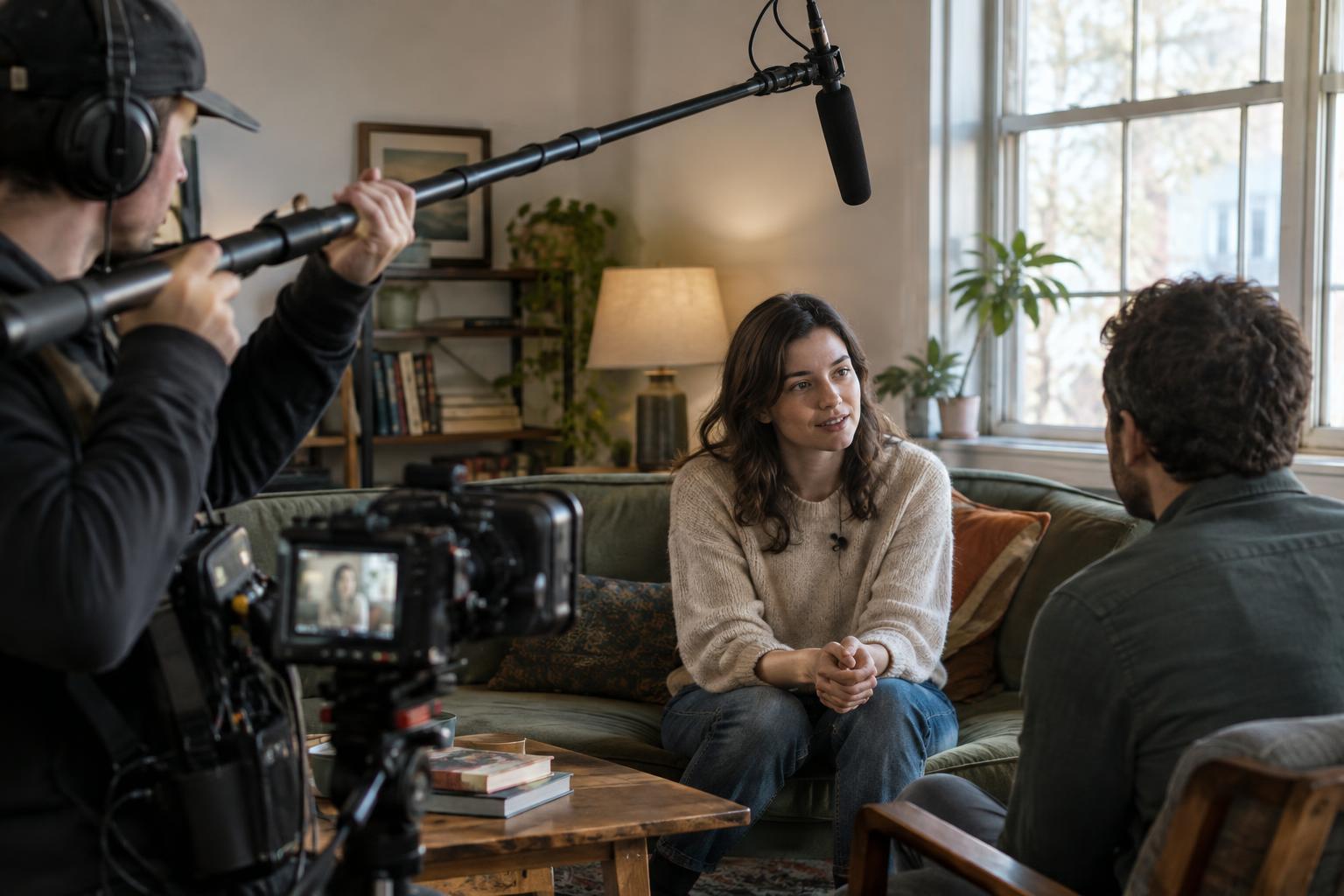
A concealed lavalier microphone is useful when a boom cannot stay close to an actor or remain out of frame. Concealment comes with a trade-off: the microphone sits among moving layers of fabric. A mount can look perfect on camera yet produce a distracting scrape every time the performer turns. The goal is therefore not simply to make the capsule invisible. It is to keep a clear path to the voice while stopping clothing from touching the capsule or pulling on its cable.
Before attaching anything, ask the performer to make the movements the scene requires: sitting, walking, reaching, turning and speaking at the intended volume. Watch where garments fold, stretch and rub. A quiet spot while standing still may become noisy during a seated exchange. Check the camera framing too. A position that works under a closed jacket may become visible when the jacket opens.
Choose a stable place beneath the costume
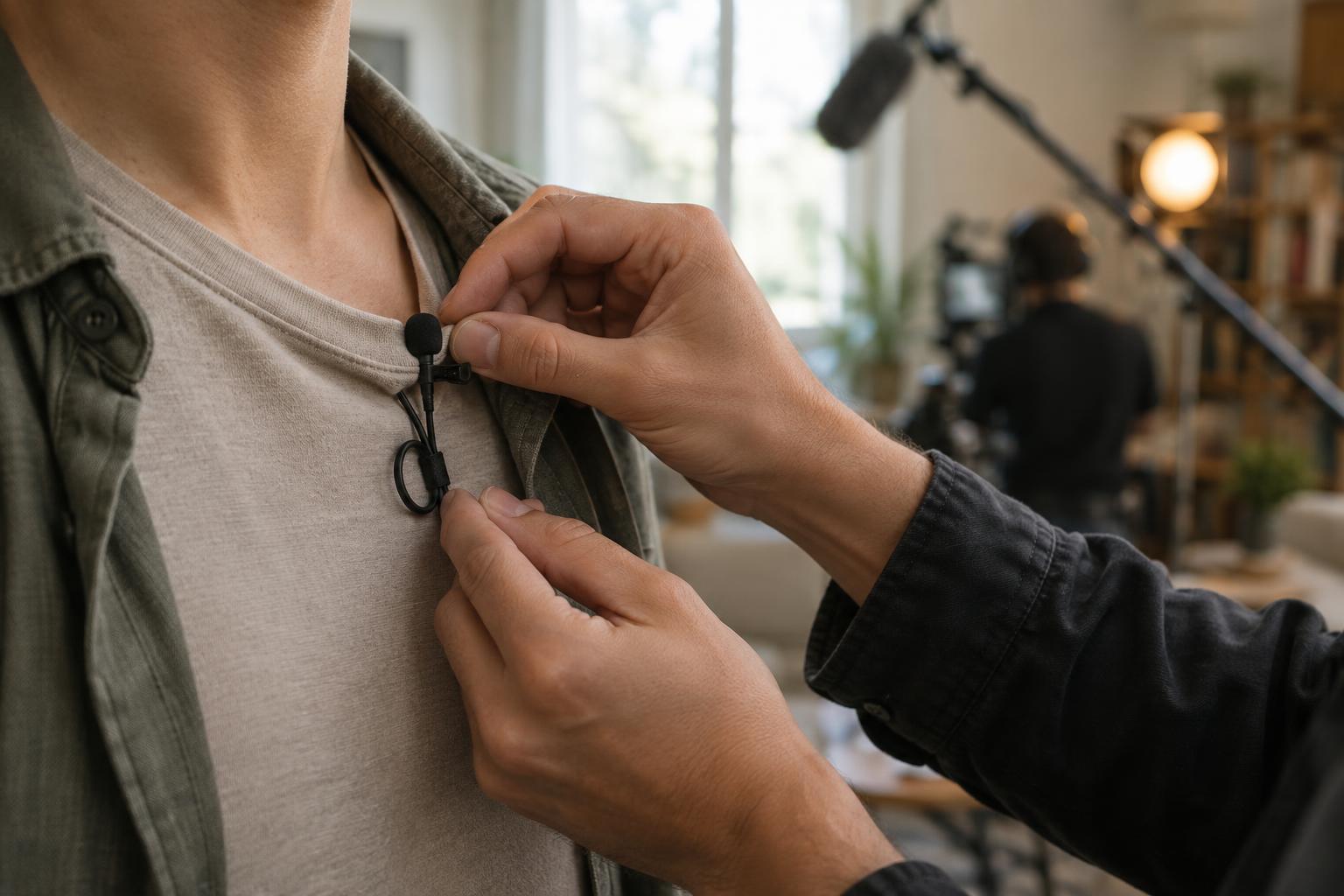
The upper chest is often a practical starting point because it is near the mouth and may offer a relatively stable surface. A collar edge, shirt placket or the inside of a jacket can also work, depending on the costume and the shot. Avoid treating any position as a universal rule: fabric thickness, neckline and performer movement change what the microphone hears. A capsule buried beneath several heavy layers may sound muffled even if it is well protected from rustle.
Look for a small pocket of space around the microphone head. The capsule should not be pressed directly against a moving shirt, and its opening should not be blocked by tape or fabric. A purpose-made concealment mount can help hold that space; a carefully shaped piece of suitable tape may also work. Whatever you use, keep the mount as small as the costume allows. A bulky lump can show through a fitted garment or make the fabric rub against it.
Isolate the capsule and relieve cable tension
Much of what sounds like microphone rustle begins somewhere else. A cable that slides through clothing or tugs on the capsule can carry movement into the recording. Secure a short section of cable below the microphone and leave a small, relaxed loop between that anchor and the capsule. The loop gives the performer room to move without pulling directly on the mount. Route the remaining cable along a stable seam or beneath a layer where it will not swing freely.
Use attachment materials that suit both the garment and the wearer. Adhesives can fail on damp fabric, leave residue or irritate skin, so ask before applying anything to a person or delicate costume. If an attachment loosens, replace it rather than adding layers of tape around a noisy mount. Check that the transmitter and any cable connection are secure as well; a shifting pack can create noise or strain the wire.
Test with the scene’s real movement
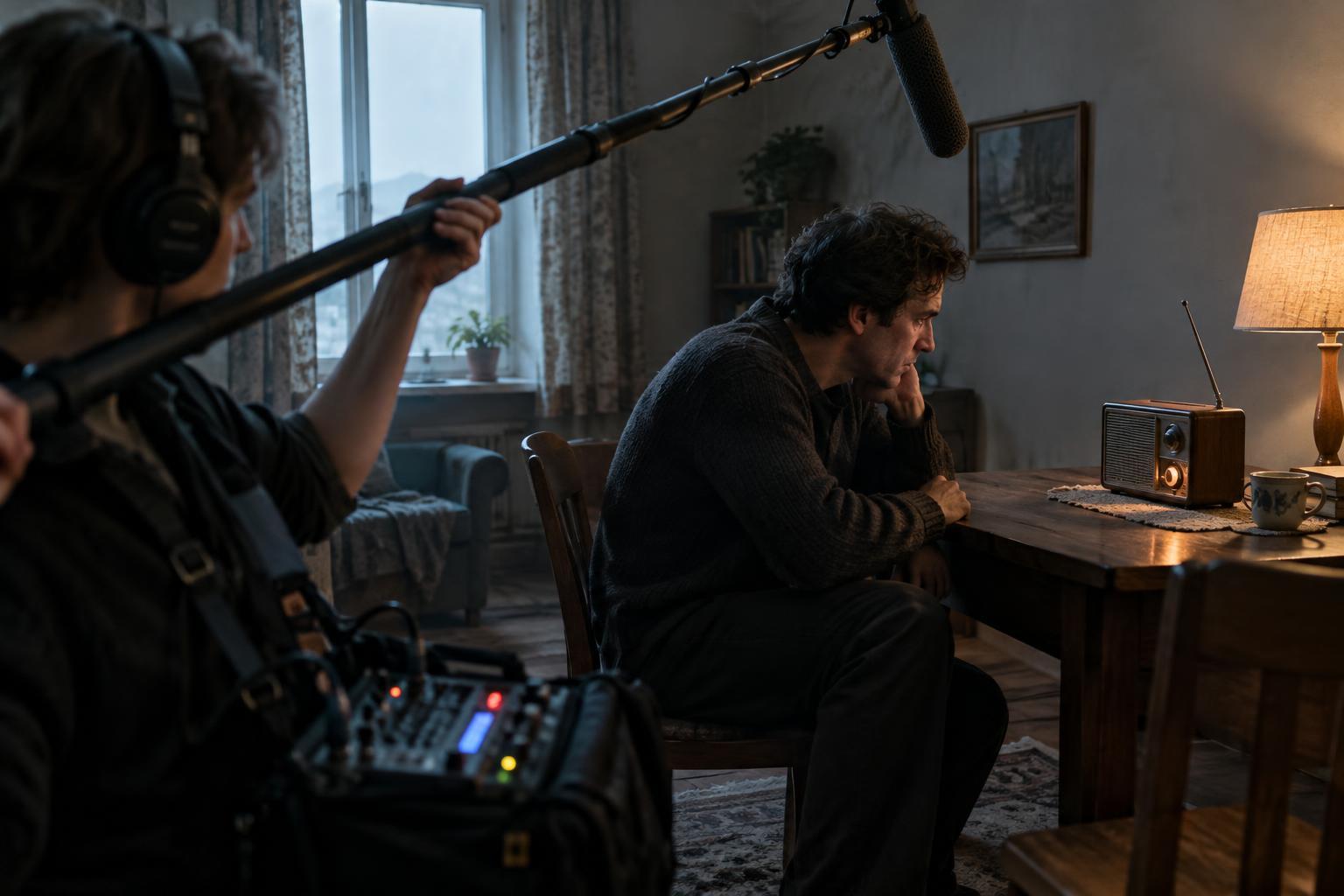
Listen through headphones after the costume is fully arranged, not just while holding the microphone in your hand. Have the performer deliver a few lines while repeating the scene’s movements. Listen for both obvious scratches and quieter changes in tone when fabric covers the capsule. If you hear noise, change one thing at a time: move the mount away from a fold, create more clearance around the head or secure a loose cable section. Small changes are easier to evaluate than rebuilding the entire setup at once.
Record a short test and play it back if time permits. Live monitoring helps catch problems, but playback can reveal a scrape that was easy to miss on set. Recheck the placement after a costume adjustment, a long break or a change in blocking. A lavalier that was quiet for a close, seated scene may need a different position for a walking shot.
Keep a workable backup plan
Some outfits are especially difficult to mic discreetly. Stiff collars, loose necklaces, layered outerwear and fabrics that brush against themselves can leave few quiet hiding places. Rather than burying the lavalier deeper to force it to work, compare the result with a visible microphone option if the shot permits, or with a boom positioned as close as framing allows. If both are available, recording separate tracks gives the editor another option when one source picks up movement noise.
Make a note of the placement that works, including how the cable is routed, so it can be restored after a wardrobe change. The best hidden lavalier is not the cleverest-looking mount. It is the one that stays comfortable, remains out of frame and delivers usable dialogue throughout the action.