Start with the scene, not a library search
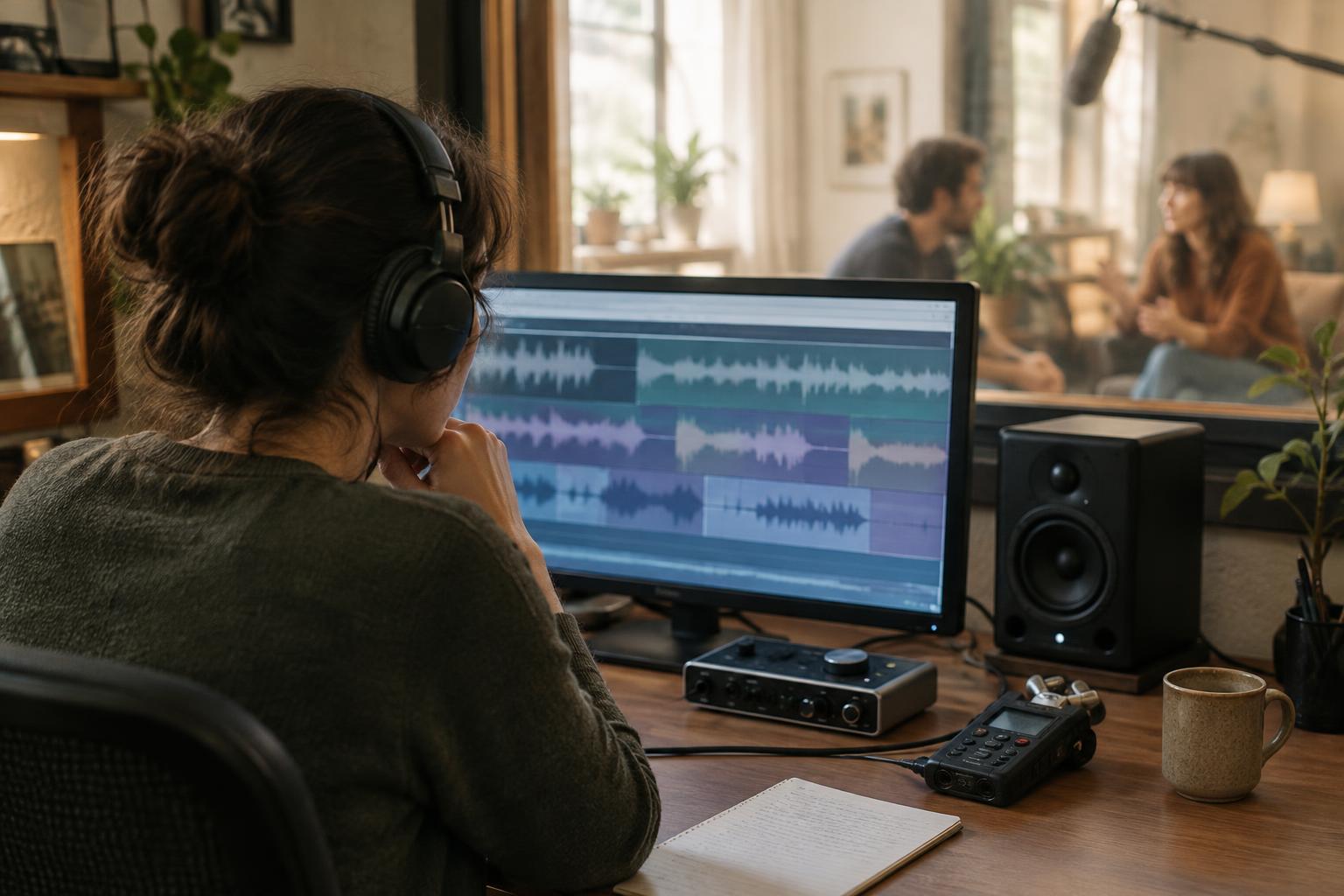
A convincing ambience tells the audience where a scene takes place, how that space feels, and what lies beyond the frame. Before choosing sounds, watch the scene without its temporary music or effects. Note the location, time of day, weather, visible activity, and point of view. Then ask what the characters would plausibly hear while they speak or pause.
Choose a few defining sounds rather than trying to represent everything that could exist in the location. A kitchen facing a busy street might need a faint traffic wash and an occasional passing vehicle; constant horns and sirens could make it feel like a different scene. Mood matters, but it should grow from the setting. A sparse ambience can make an empty hallway uneasy without introducing a sound the space cannot explain.
Lay a stable foundation
Begin with a continuous bed: the low-level sound that remains when no distinct event occurs. Indoors, this might be ventilation, distant traffic through a window, or the subtle noise of the room itself. Outdoors, it could be air movement, far-off activity, or a broad wash of insects. A bed gives the edit continuity, especially when dialogue has been assembled from different takes.
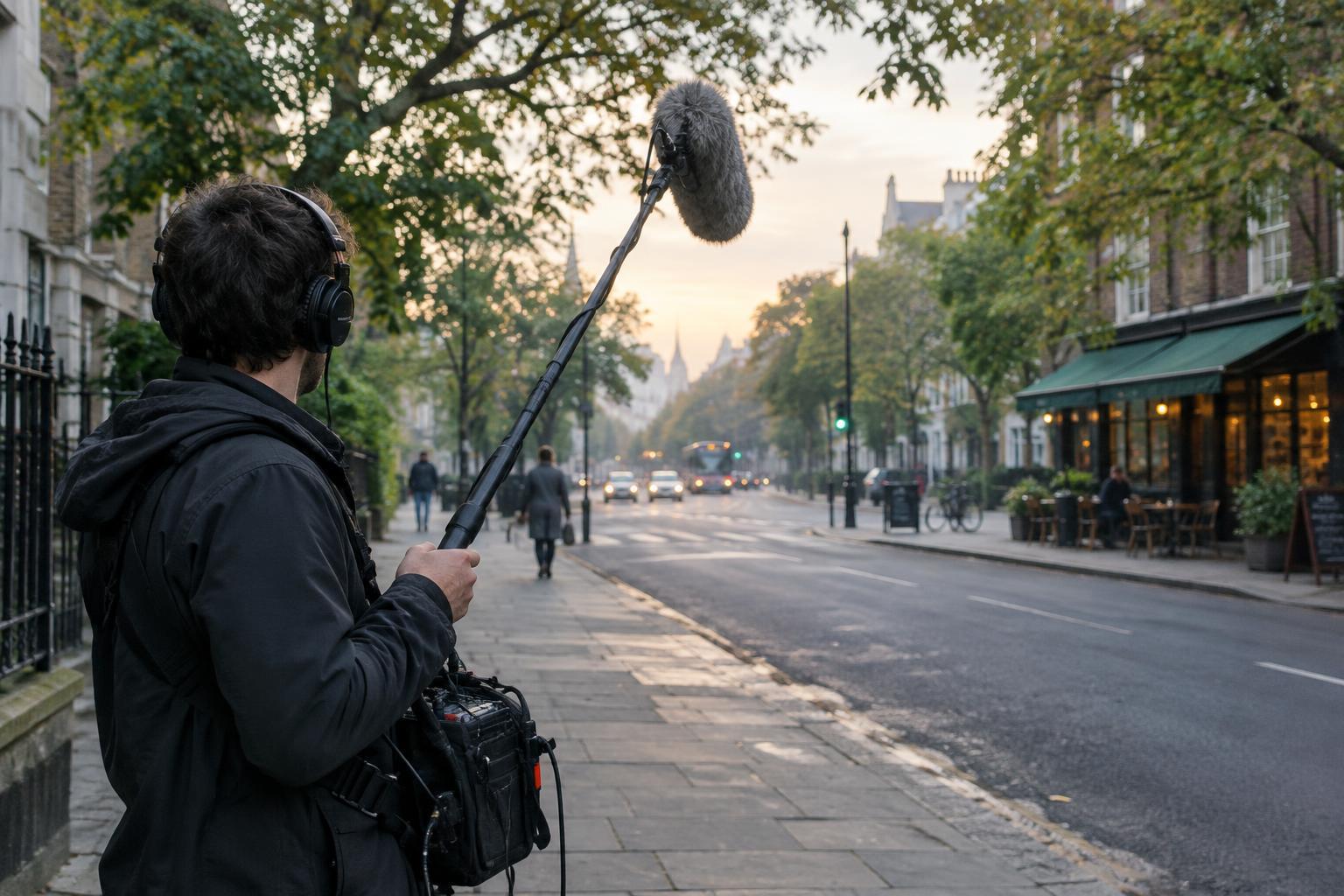
Room tone recorded on location is a useful starting point, but it is not automatically a complete ambience. Listen for voices, bumps, or other events that make a short recording obvious when repeated. If you loop a clean section, vary the loop point or combine it with another unobtrusive layer so its pattern is harder to notice. Keep the foundation quiet enough that it supports dialogue rather than competing with it.
Add details with purpose
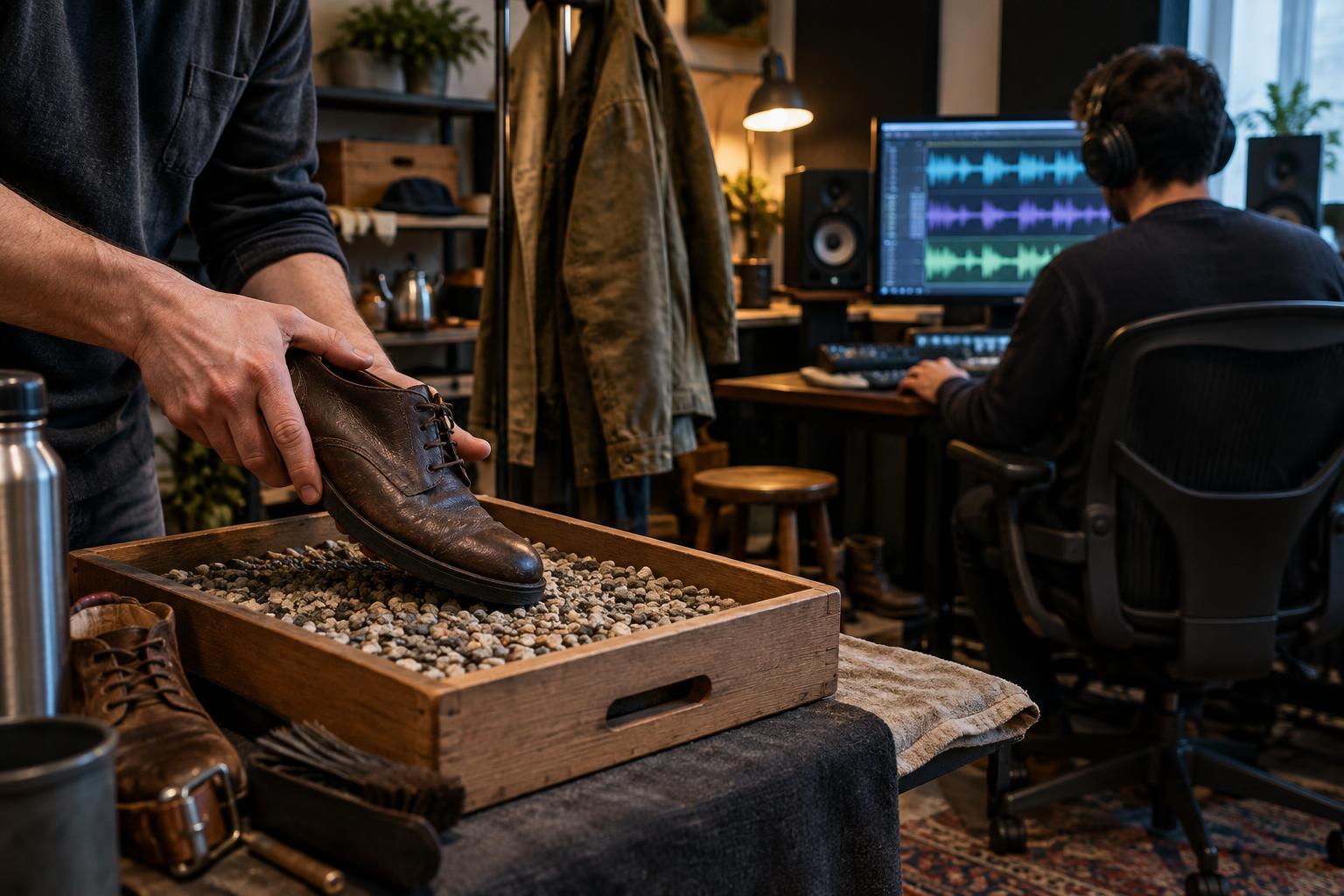
Build outward from the bed with sounds that identify the setting: a refrigerator cycling on, footsteps in a neighboring room, or a distant train. Give each element a reason to be there and a sensible frequency. A single dog bark can suggest a neighborhood; the same bark repeated at regular intervals may reveal the edit instead of the place.
Think in terms of distance. A close sound usually has more detail and presence, while a distant sound tends to be softer and less distinct. Level, tonal balance, and the acoustics of the scene can help establish that relationship. A car outside a closed window should not sound as clear as a car passing an open doorway. When a sound draws attention, check whether the image or the story earns that attention.
Avoid filling every gap in dialogue with a new event. Silence relative to the surrounding bed gives the audience room to notice a glance or a change in performance. If an ambience detail does not clarify the space, support an action, or shape the intended feeling, try removing it.
Keep the perspective consistent
The soundtrack should respond when the camera and characters move through space. Stepping from a street into a shop may reduce traffic, bring the shop’s hum forward, and change how the remaining outside sound is filtered. Opening a door can briefly reveal the exterior more clearly. These changes do not have to be dramatic, but they help a sequence feel physically connected.
Plan transitions across cuts rather than treating each shot as a fresh start. An ambience bed can carry through several angles in the same room, while a distinct background event can bridge an edit if its position still makes sense. If the scene shifts to a character’s more subjective experience, such as struggling to concentrate, a gradual change in the balance of sounds may communicate that shift. Make it a deliberate storytelling choice, not an accidental jump in volume.
Mix for the whole scene
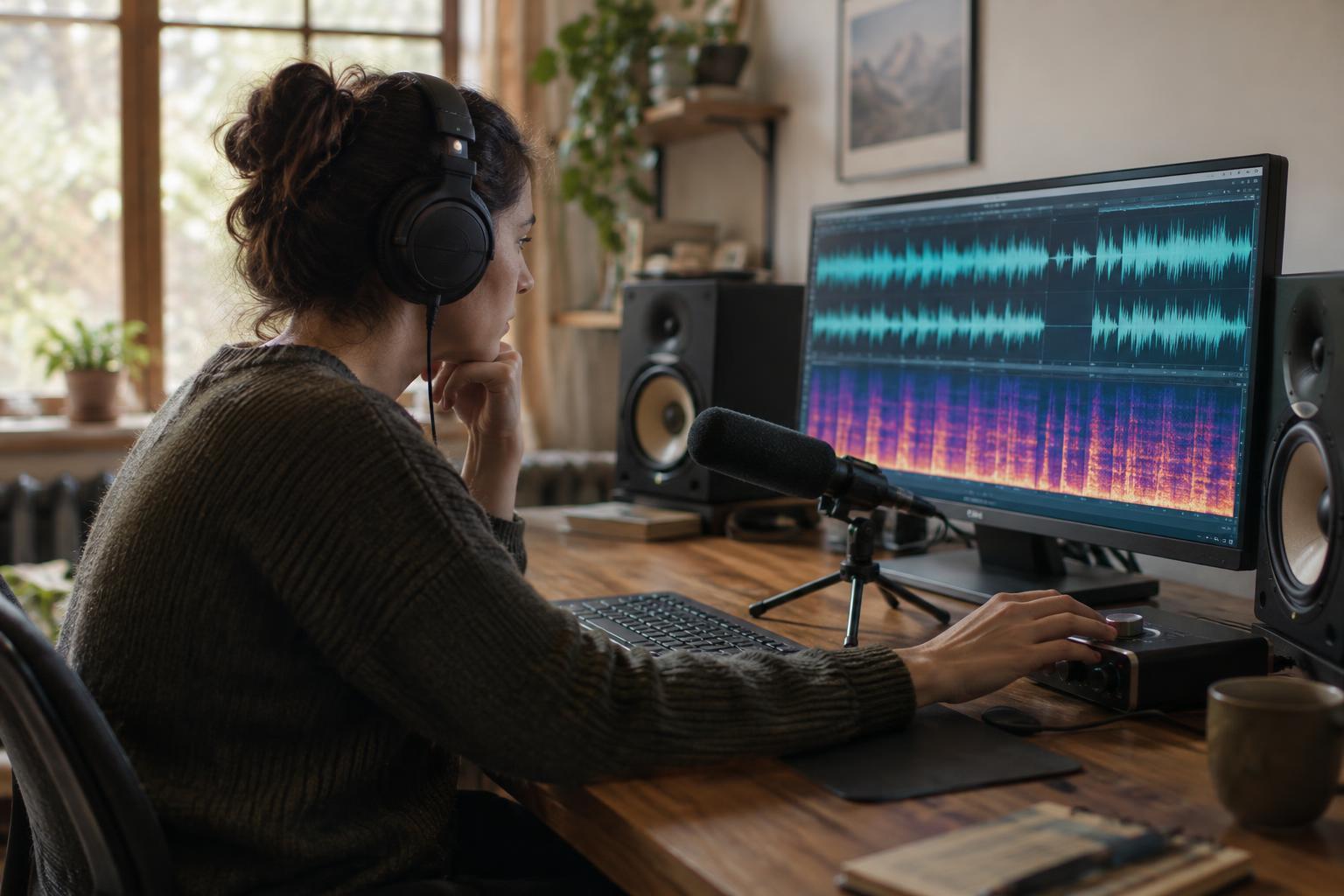
Once the layers work together, listen at a moderate level with dialogue, music, and foreground effects present. Lower or simplify ambience that masks words. Check whether several individually quiet tracks have combined into a distracting wash, and whether any repeating sound becomes tiresome over the full scene. Brief fades can prevent abrupt entrances and exits, but they should not make a continuous location sound swell unnaturally at every cut.
Finally, play the scene from beginning to end without adjusting controls. Notice what you believe about the space rather than what you remember placing on the timeline. If the ambience draws attention to a loop, changes perspective without cause, or suggests an unseen event the scene cannot accommodate, revise it. The most effective background sound often goes unnoticed while making the world on screen feel complete.