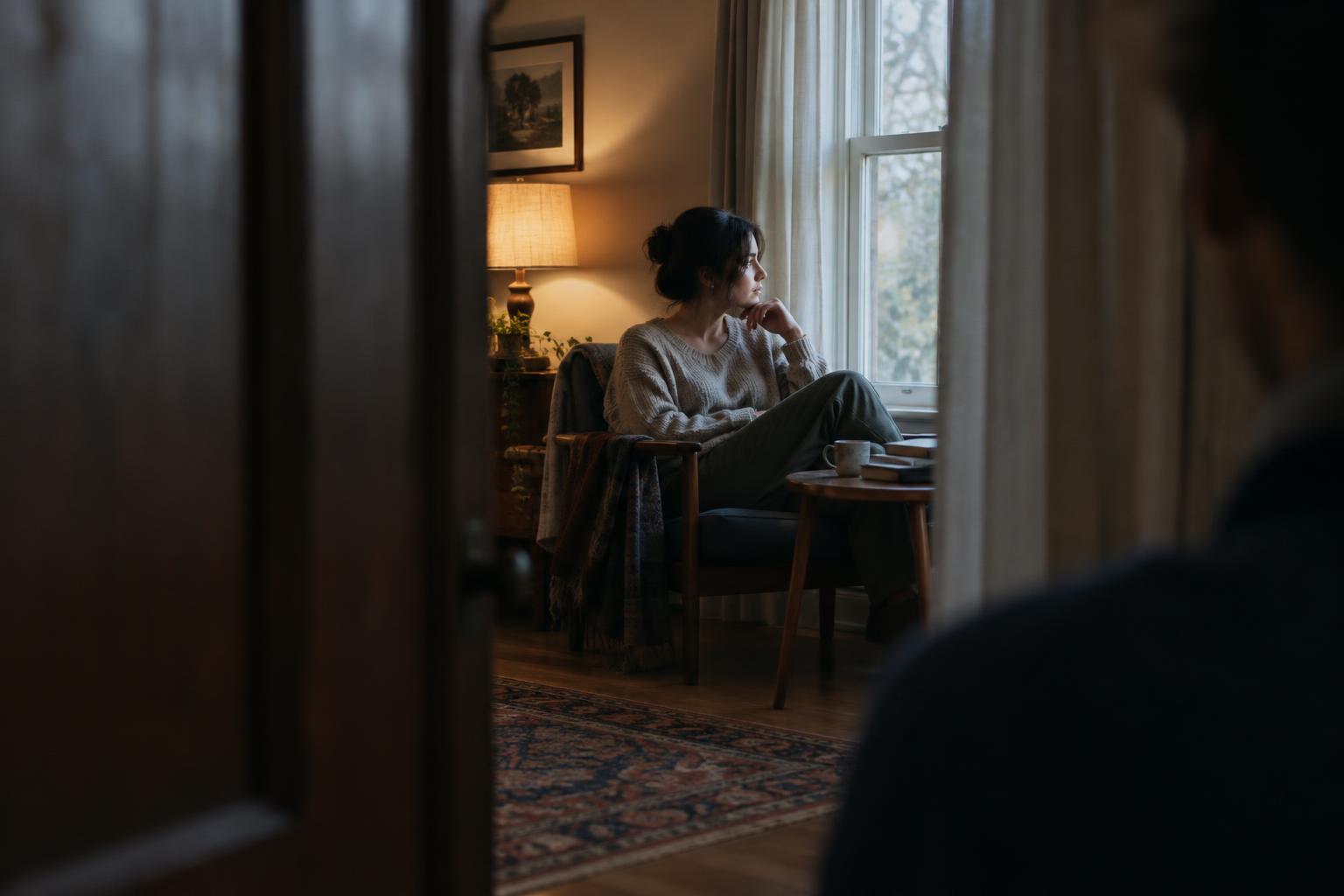
Lighting and CinematographyA doorway, a shoulder, or the edge of a curtain can give a shot depth and a point of view. Learn how to choose foreground elements that support the story, keep subjects readable, and hold up across camera setups.
Read article · 4 min↗

Lighting and CinematographyA hallway gives filmmakers strong lines and a clear path for movement, but its narrow walls can make lighting difficult to control. Learn how to choose an angle, separate people from the background, manage spill, and keep the setup workable.
Read article · 4 min↗
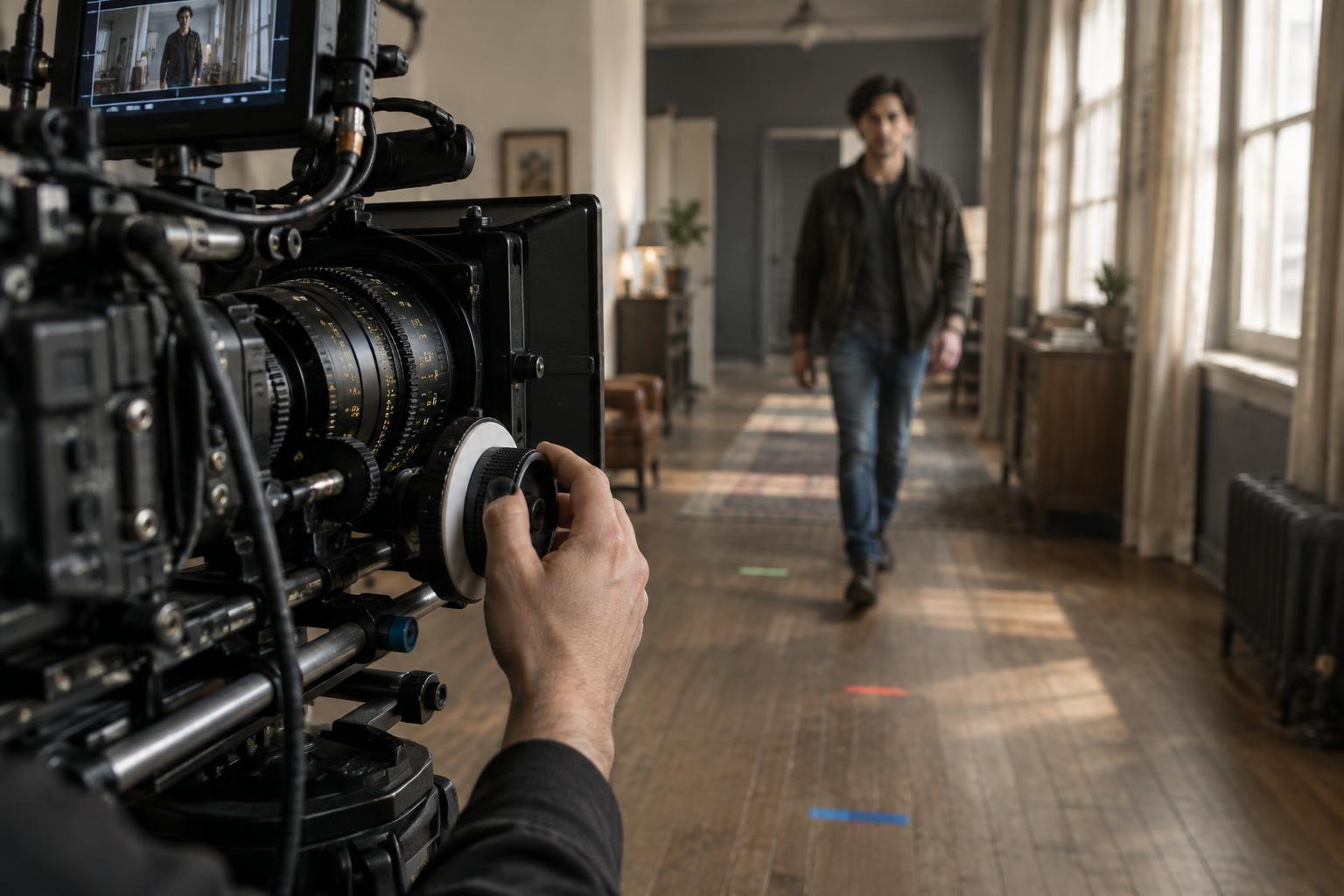
Lighting and CinematographyKeeping a moving subject sharp takes more than a quick turn of the focus ring. Learn how to plan focus marks, rehearse movement, judge a pull on set, and adapt when performers do not land in exactly the same place twice.
Read article · 4 min↗
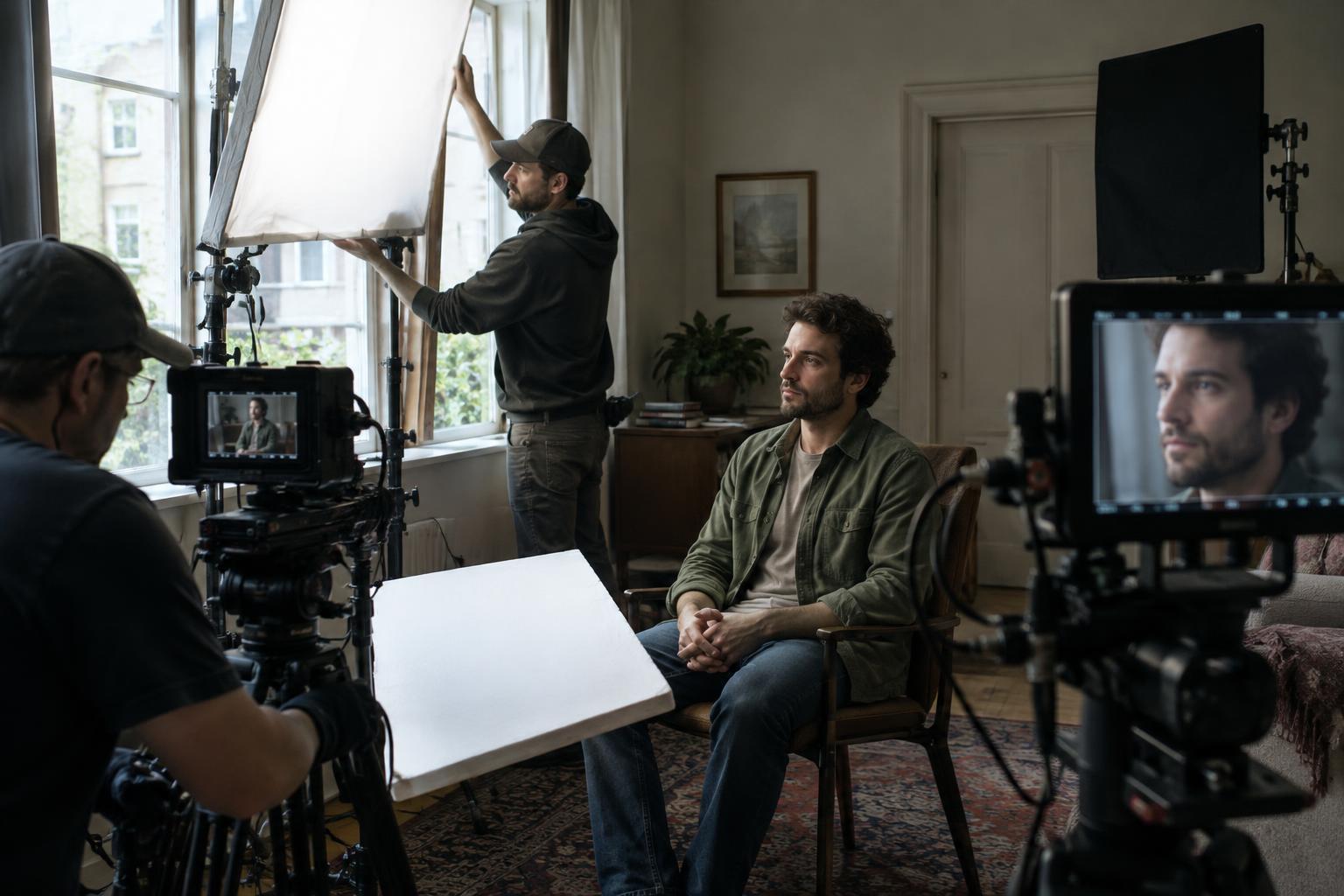
Lighting and CinematographyA scene can change from a wide shot to a close-up without its lighting feeling like a different place. Learn how to track source direction, exposure, color and shadows while making room for each setup to look its best.
Read article · 4 min↗
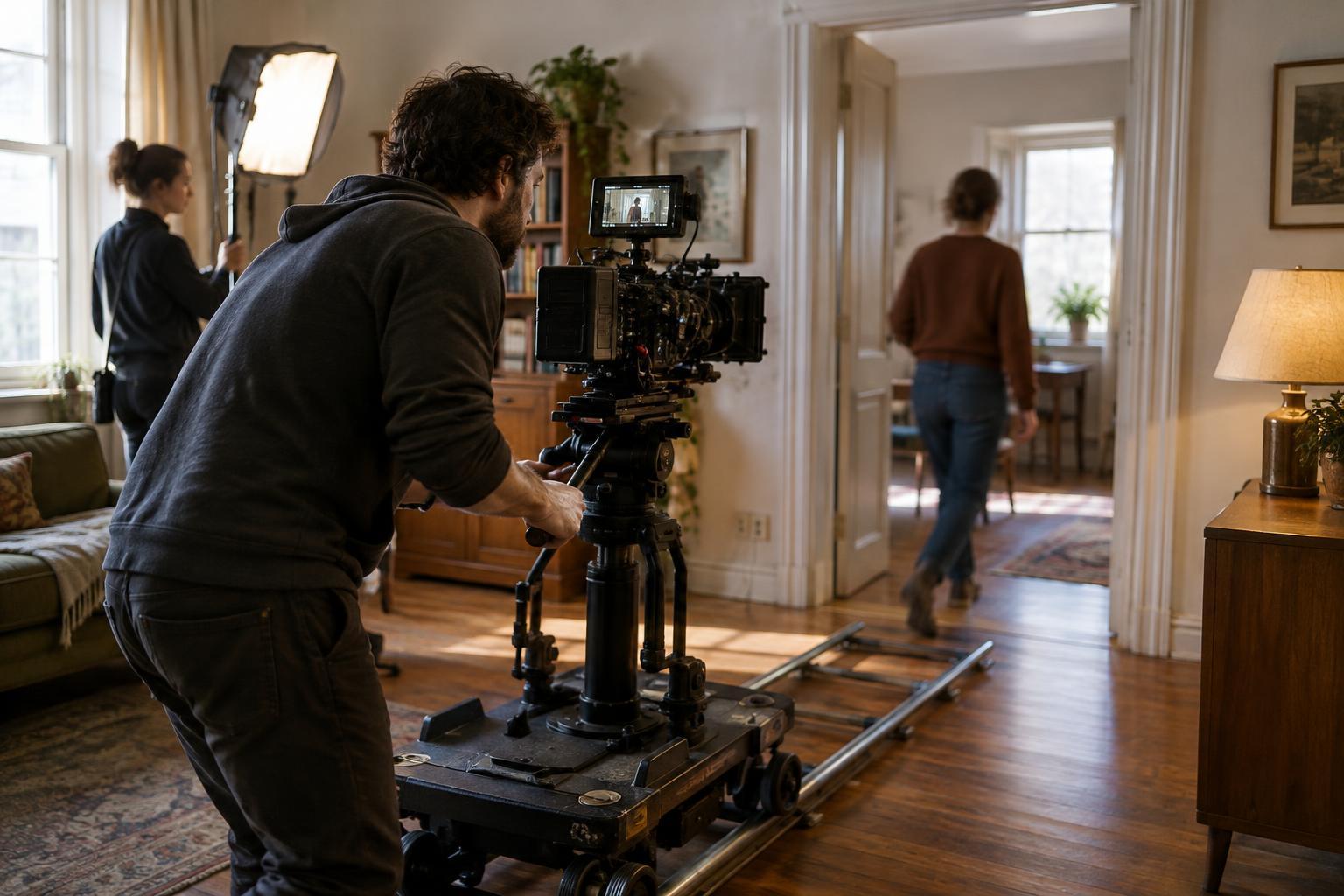
Lighting and CinematographyA camera move can reveal a clue, follow a character, or make a familiar room feel uncertain. Learn what pans, tilts, tracking shots, and handheld work do, how to plan them, and when a still frame may serve the scene better.
Read article · 4 min↗
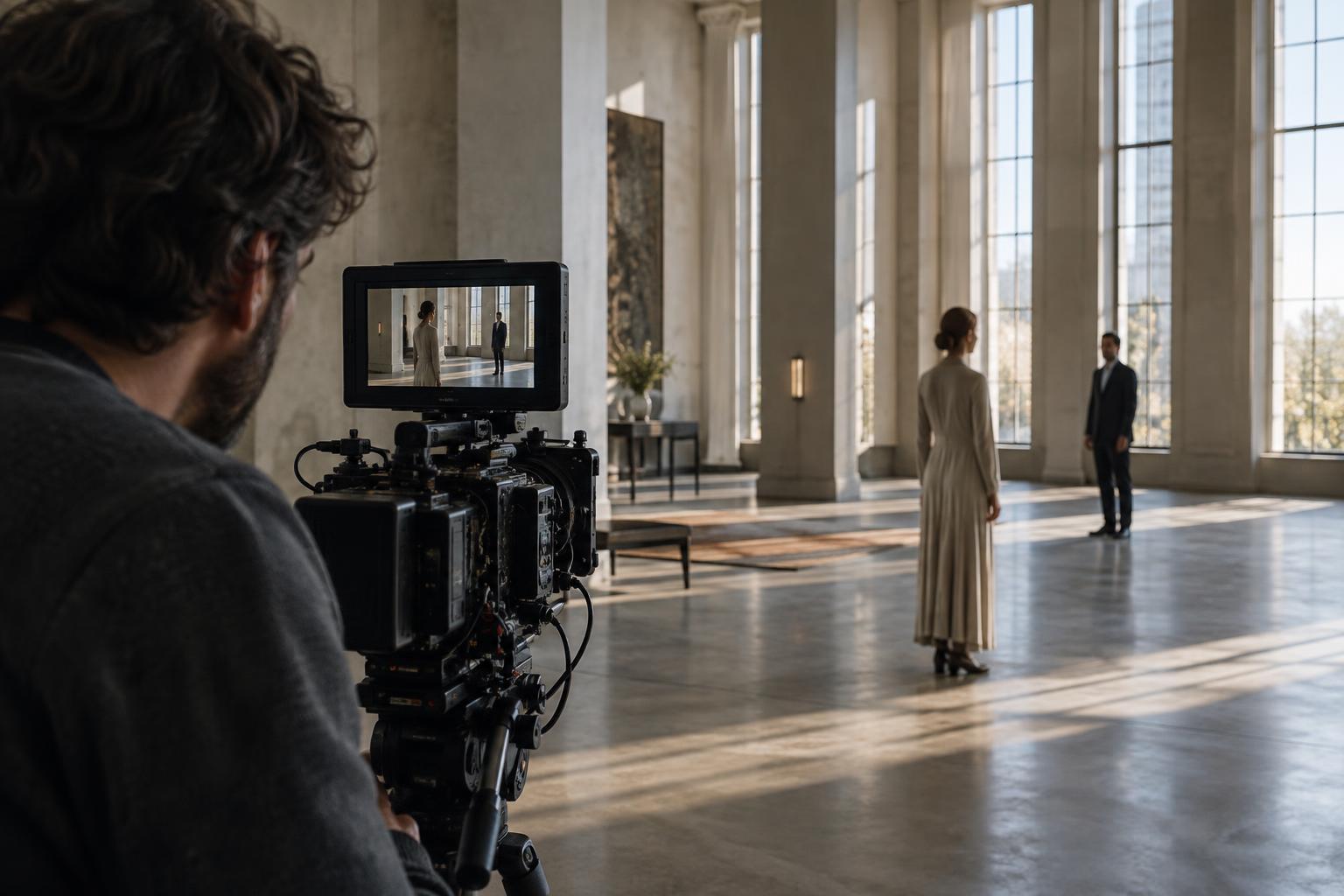
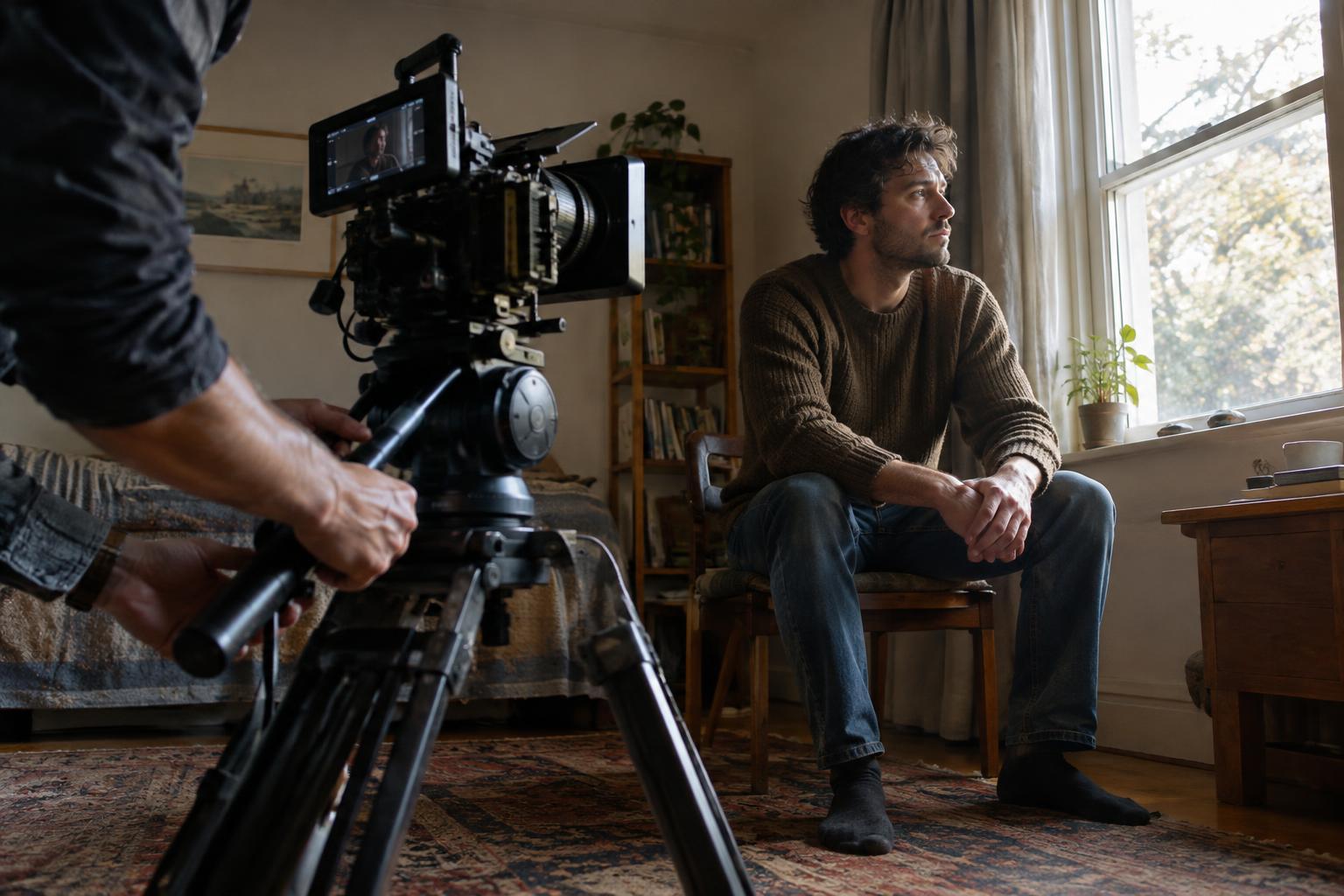
Lighting and CinematographyA camera can make the same action feel intimate, imposing, uneasy, or matter-of-fact simply by moving. Learn how camera height and angle shape a viewer’s relationship to a character, and how to choose a viewpoint that serves the scene.
Read article · 4 min↗
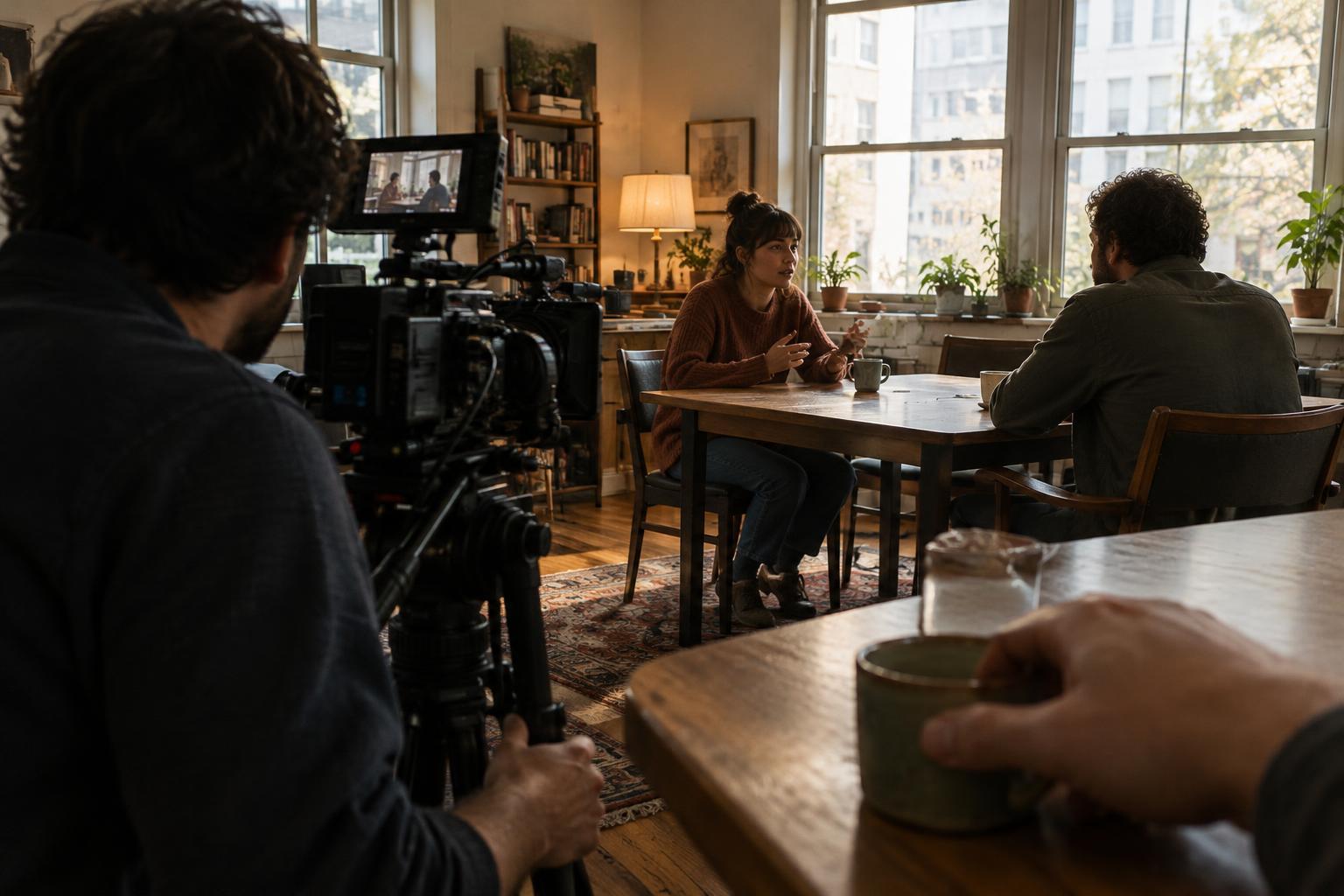
Lighting and CinematographyWide, medium, and close shots do more than change how much of a subject fills the frame. Each gives viewers different information about a scene. Learn how to choose a shot size for place, action, and emotion—and how to combine sizes without losing clarity.
Read article · 4 min↗
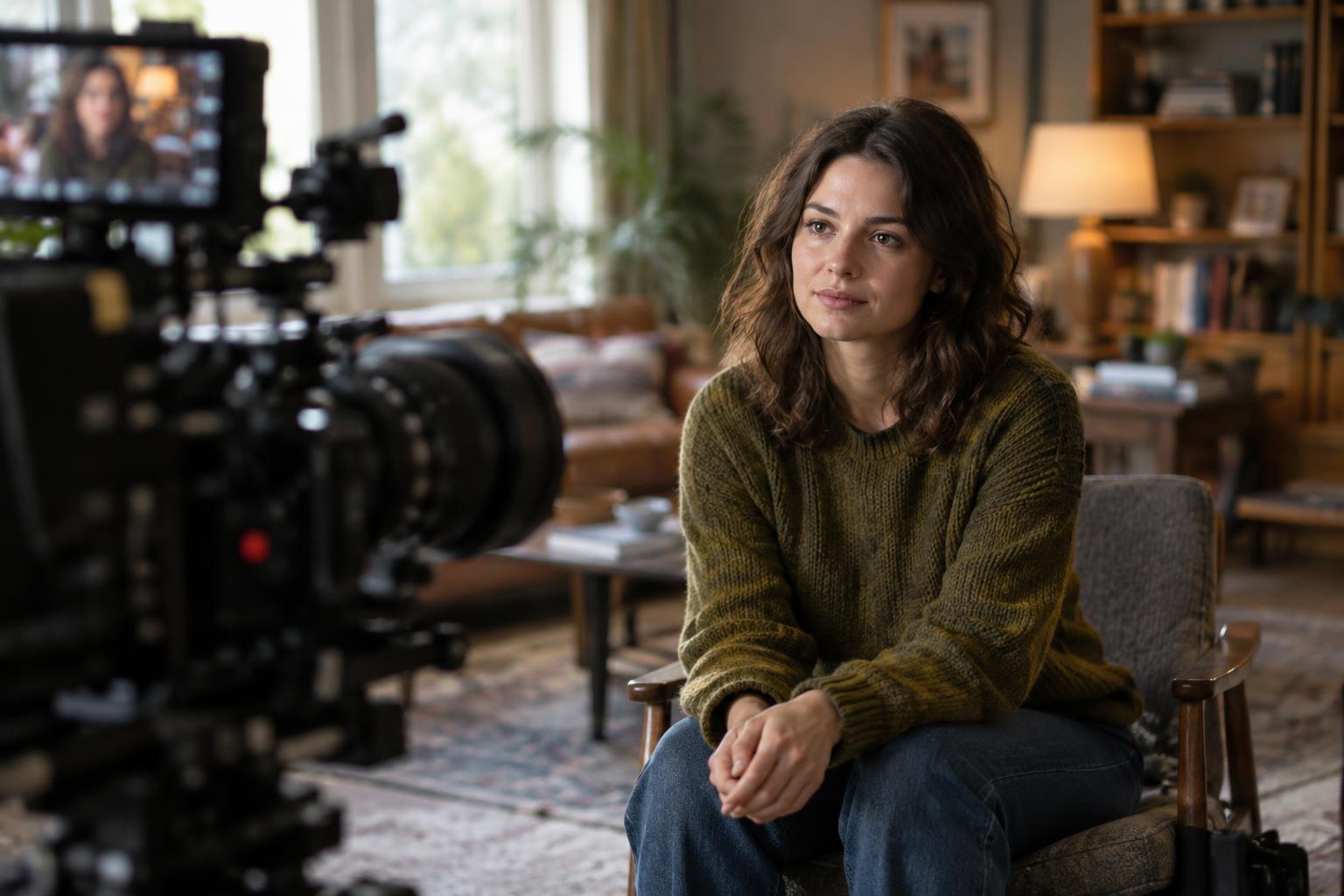
Lighting and CinematographyDepth of field shapes how much of a shot appears acceptably sharp. Learn how aperture, camera-to-subject distance, and focal length change the look of focus—and how to choose settings that serve the scene.
Read article · 4 min↗
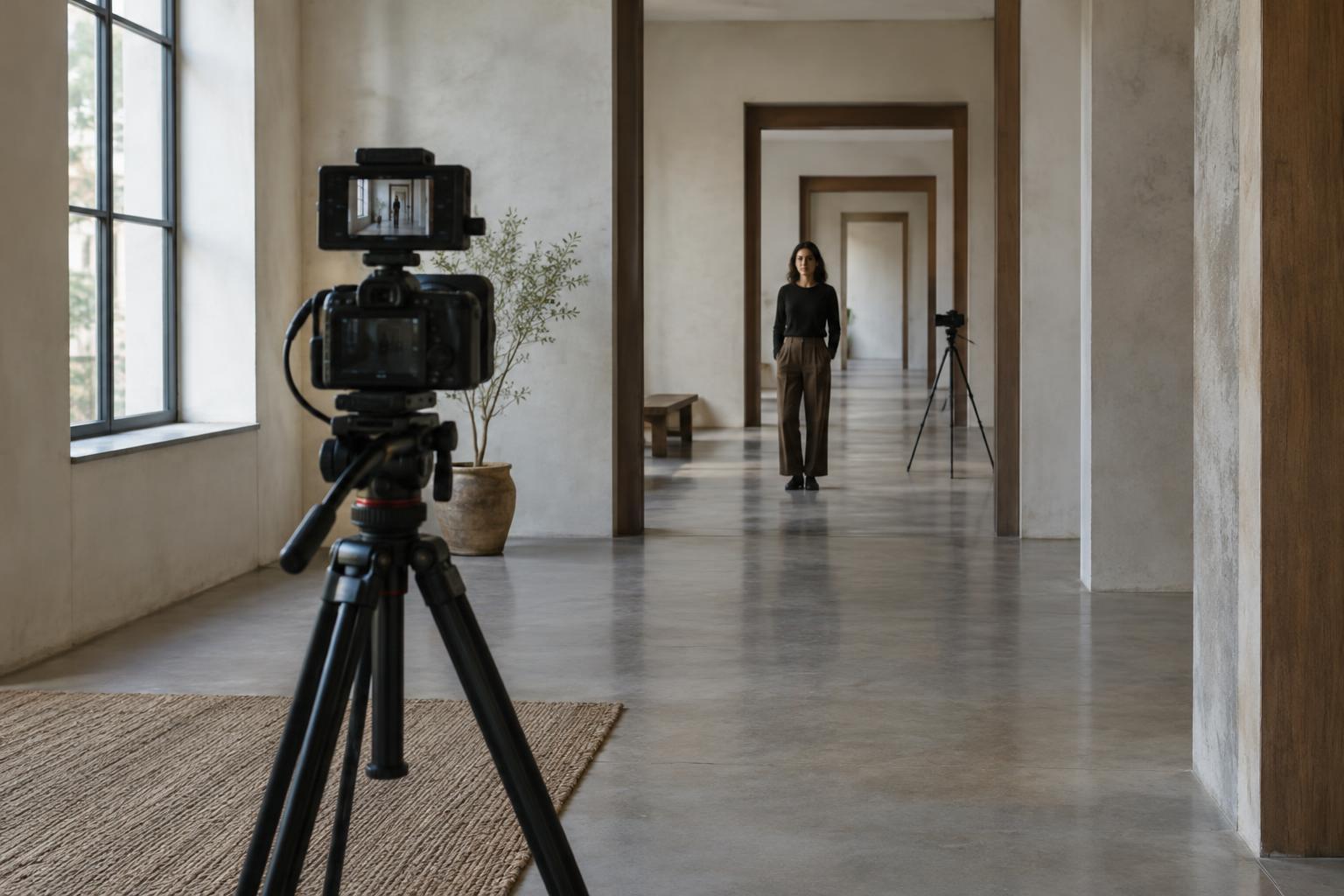
Lighting and CinematographyA wide lens does not stretch a face, and a long lens does not flatten a street on its own. Learn how camera position shapes perspective, how focal length shapes framing, and why filmmakers often change both together.
Read article · 4 min↗
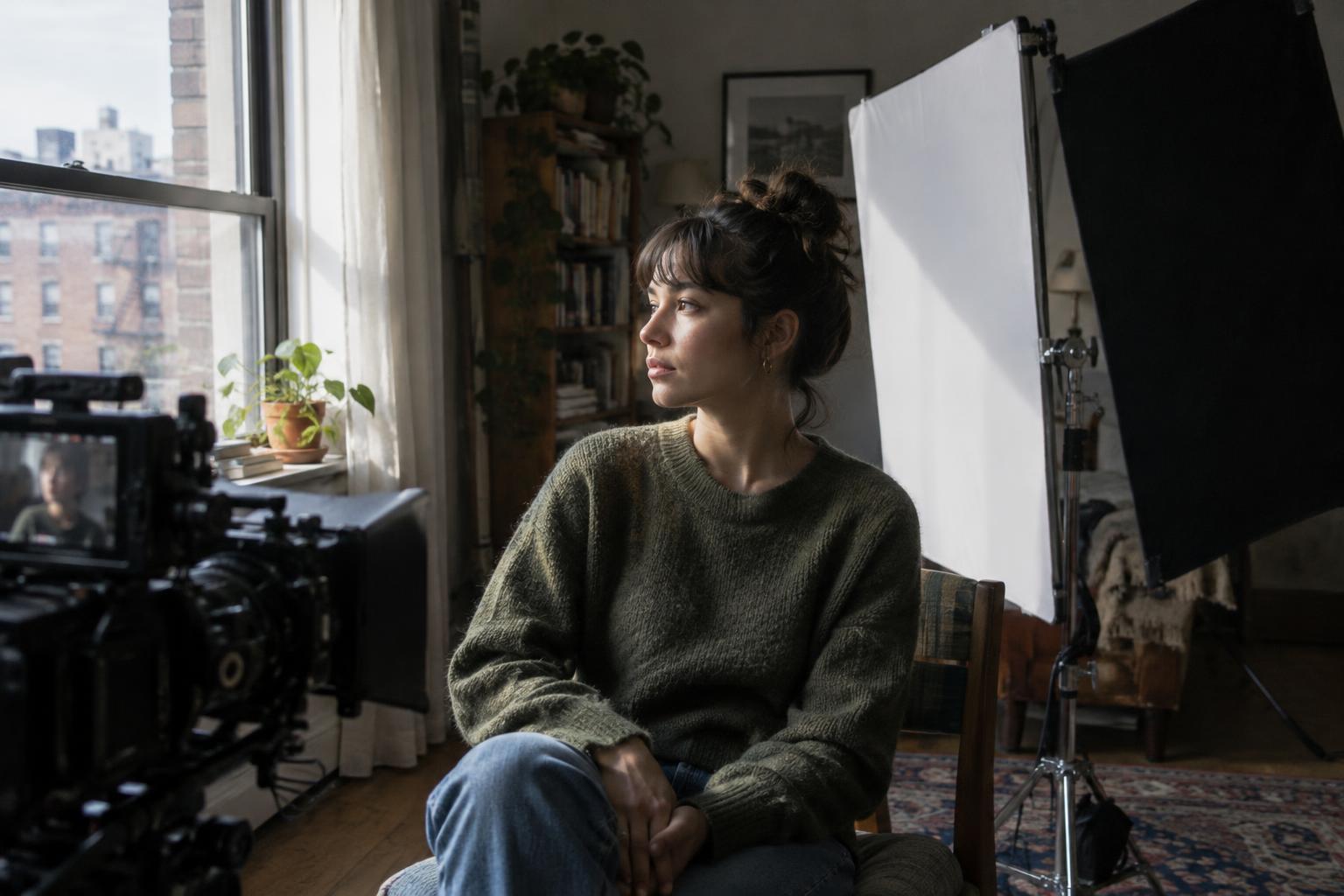
Lighting and CinematographyWindow daylight can give an interior scene depth and direction without a large lighting setup. Learn how to choose a shooting position, control contrast, shape faces and keep the look consistent as the light changes.
Read article · 4 min↗
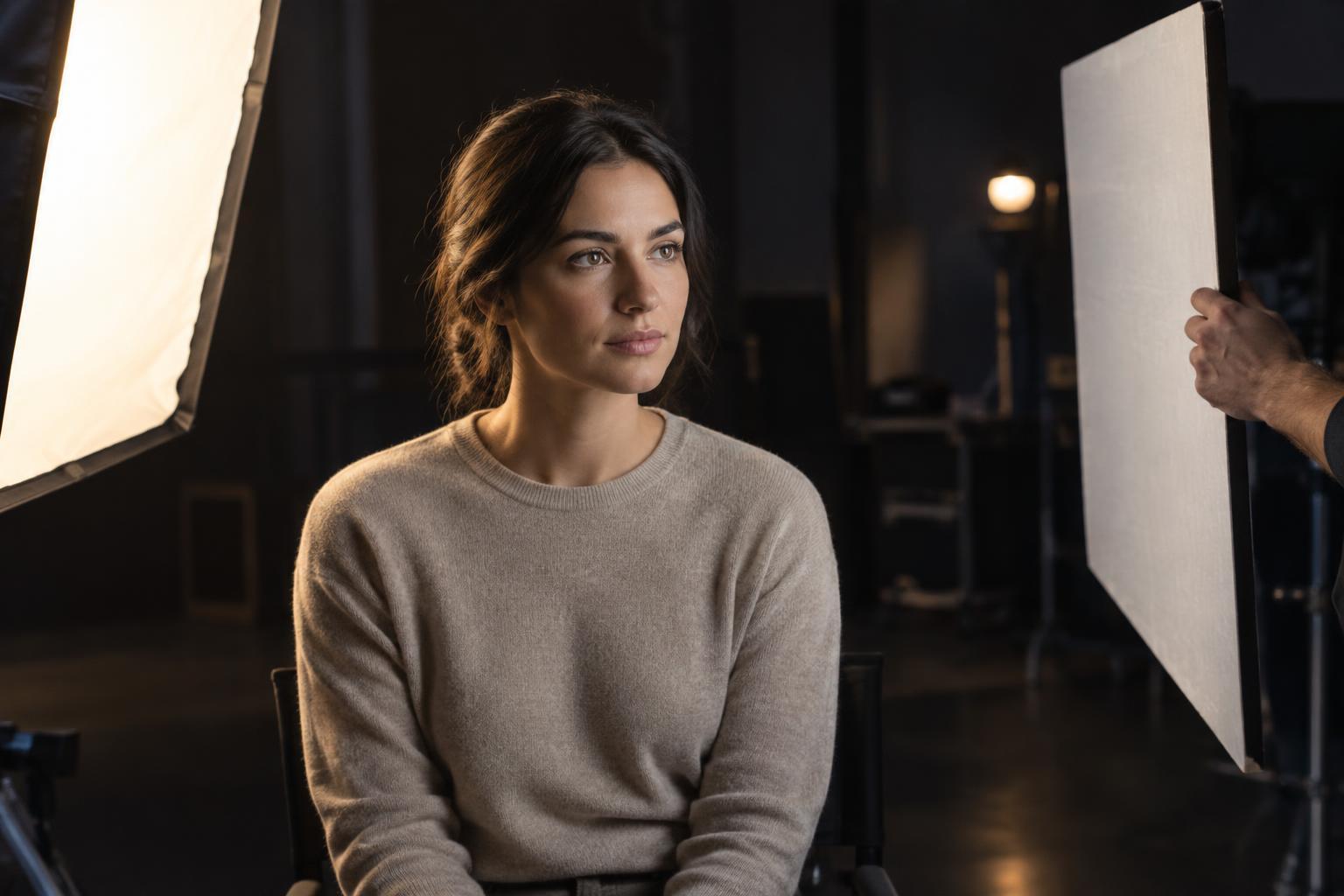
Lighting and CinematographyA lighting ratio describes the difference in illumination between the bright and shadow sides of a subject. Learn what the numbers mean, why key-to-fill labels can be confusing, and how to adjust contrast on set without losing the detail a scene needs.
Read article · 3 min↗
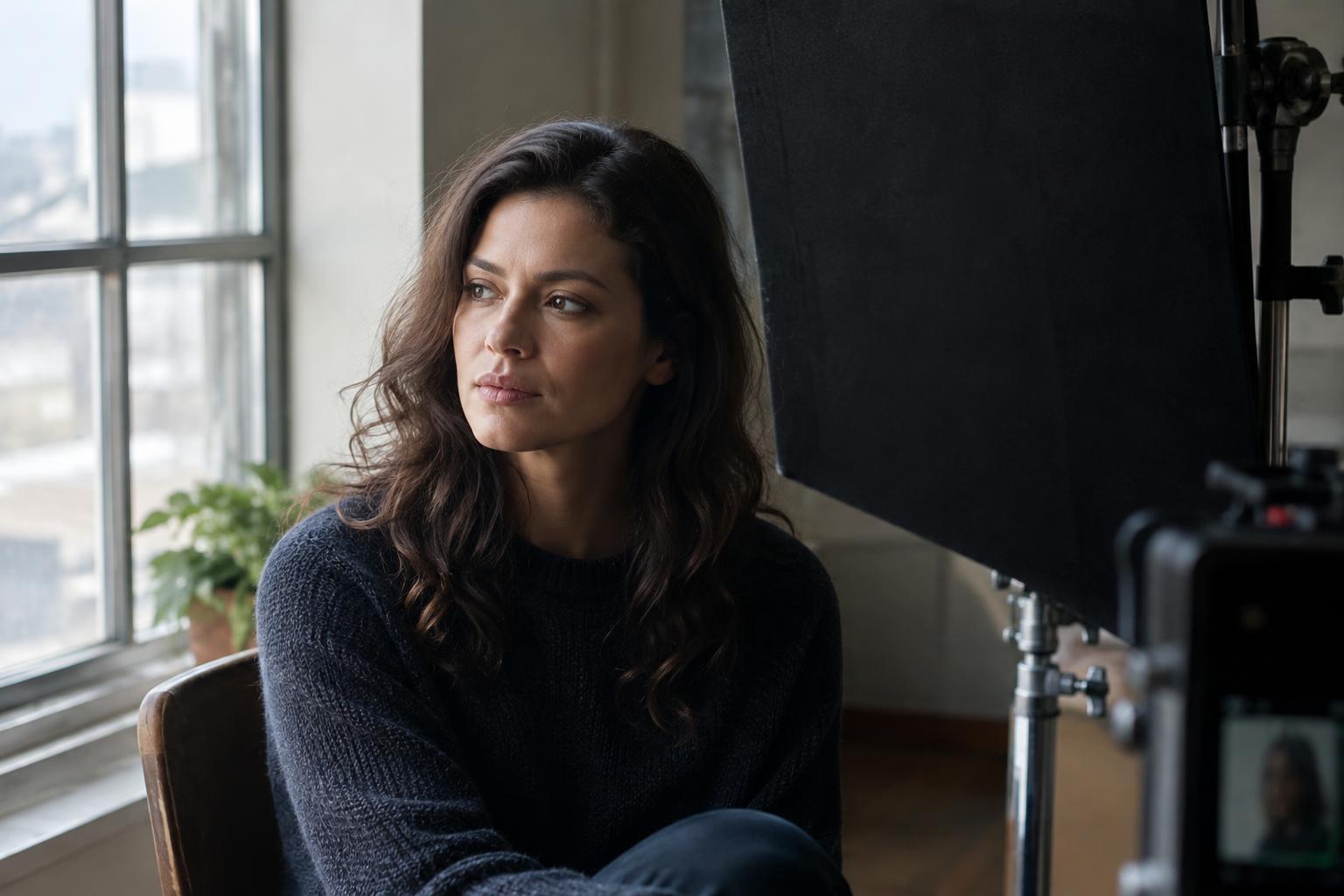
Lighting and CinematographyNegative fill is a simple way to give a face more shape: instead of adding another light, place a dark surface where it can absorb unwanted bounce. Learn how to position it, adjust its strength, and keep the look consistent across a scene.
Read article · 4 min↗
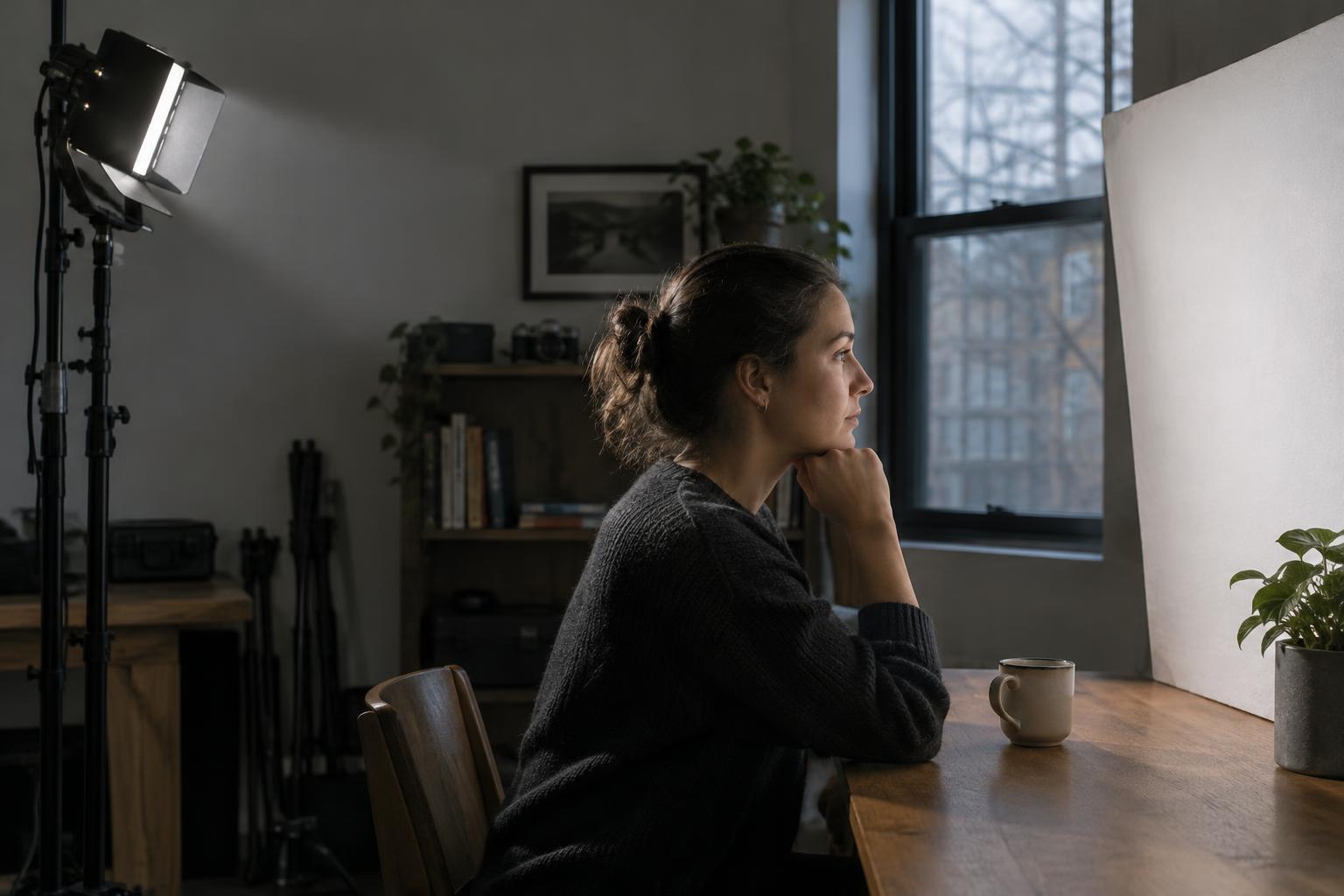
Lighting and CinematographyDirect light gives you a clear, controllable beam; bounce light can turn a nearby surface into a broad source. Learn how to choose between them, shape each approach, and make the most of a modest lighting setup.
Read article · 4 min↗
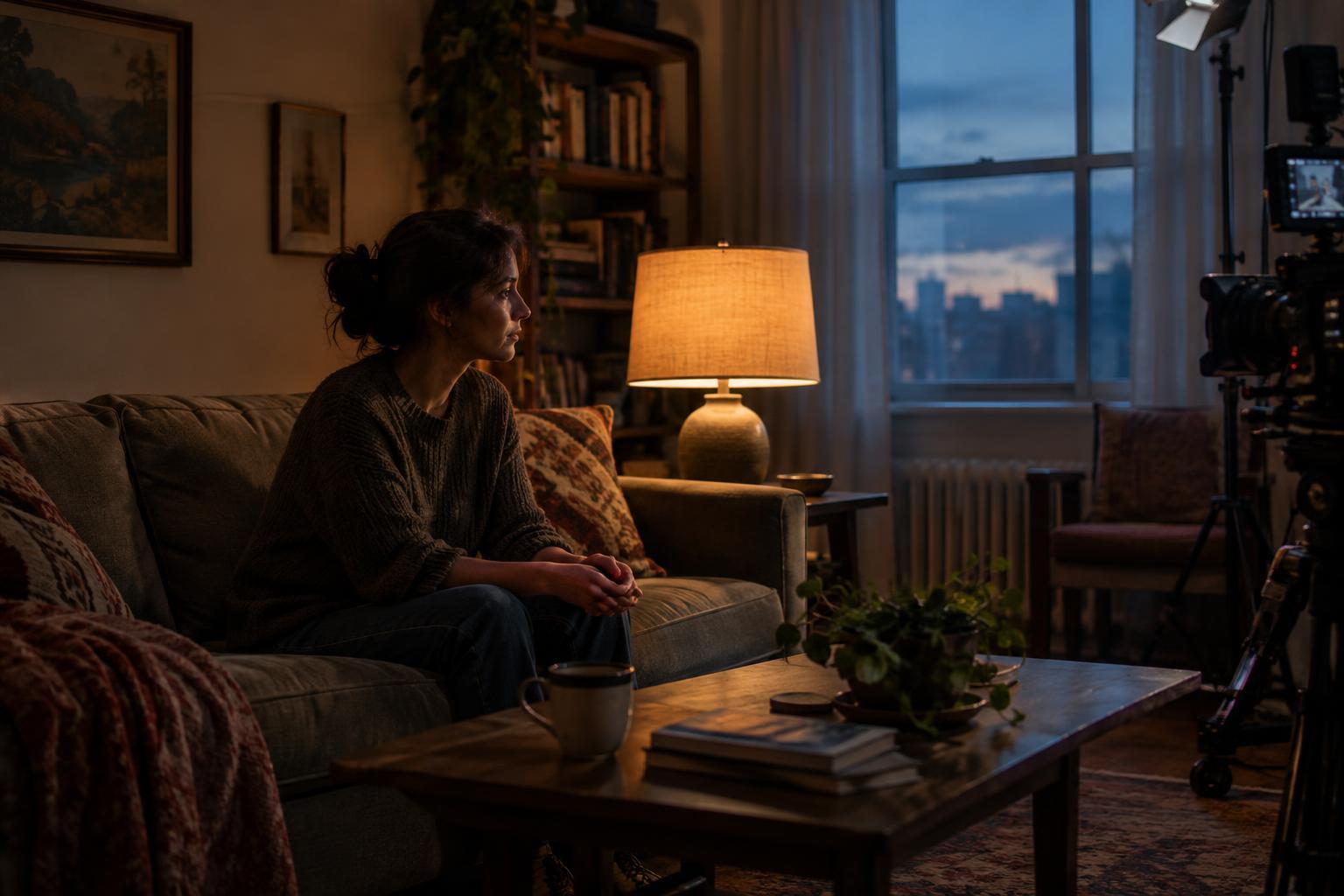
Lighting and CinematographyA lamp in the frame can give a scene warmth, depth and a believable source of light. The challenge is keeping it useful without letting its shade become a featureless white patch. Learn how to balance exposure, control spill and test bulbs while preserving the look of the room.
Read article · 4 min↗
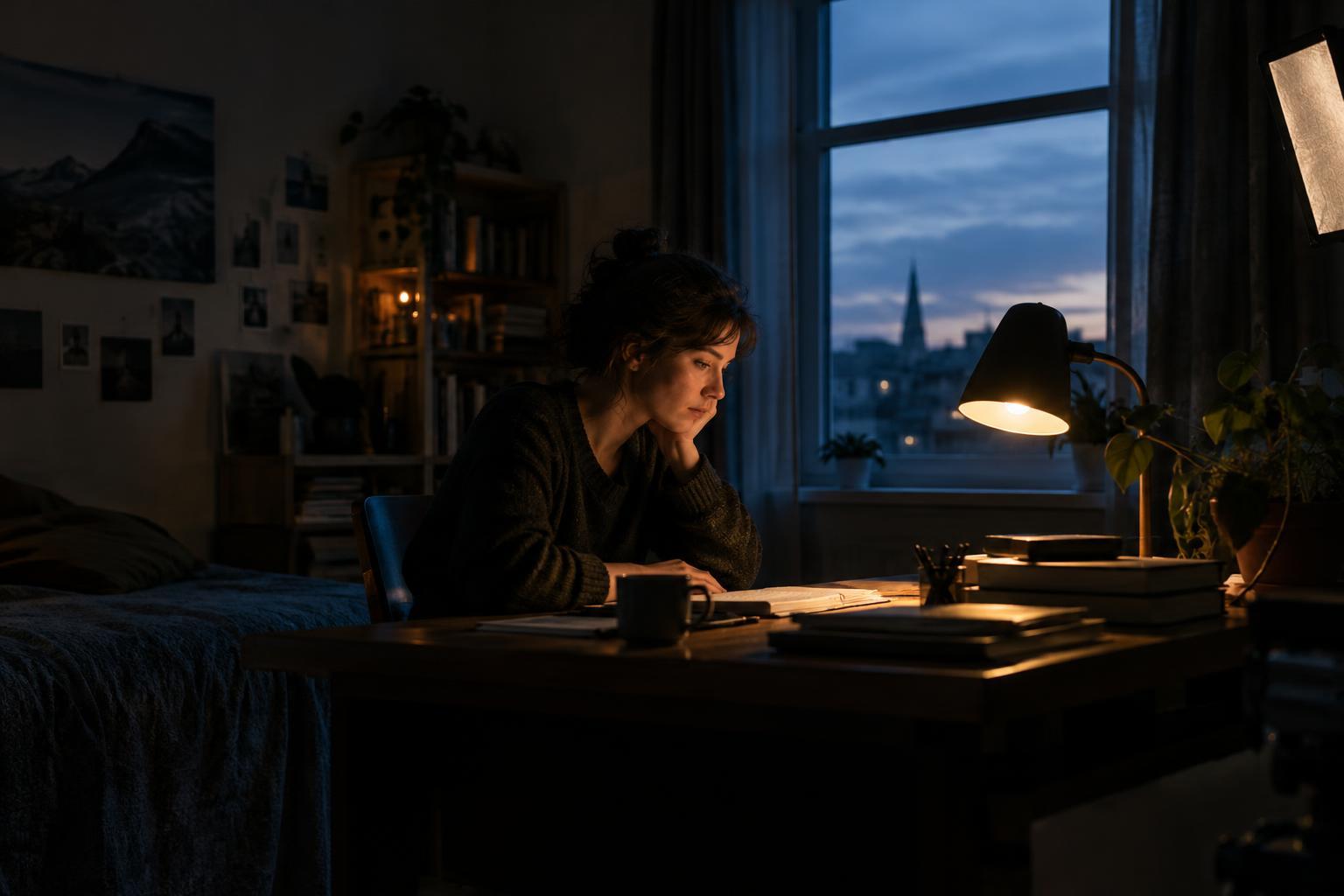
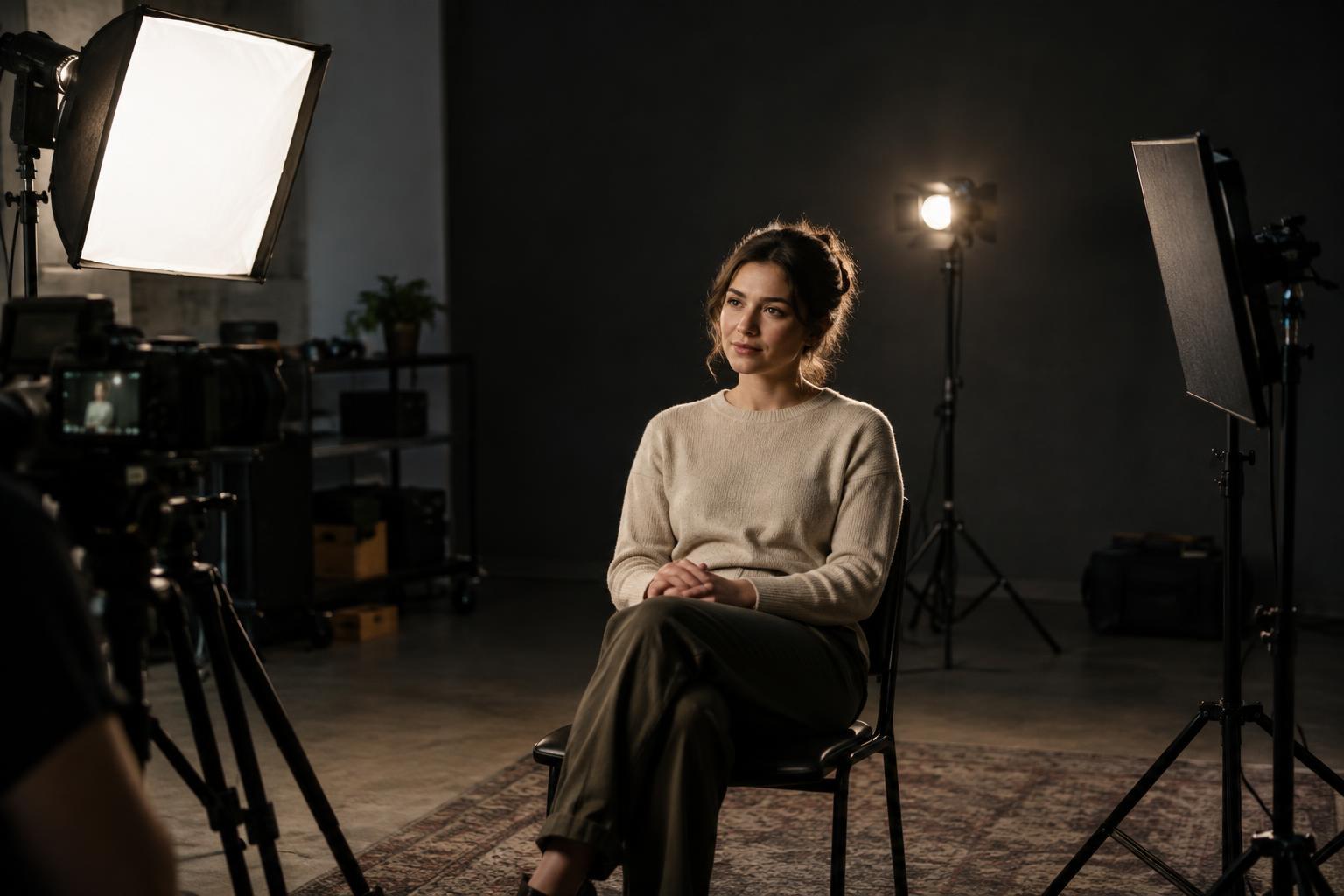
Lighting and CinematographyThree-point lighting is a way to think about a shot, not a rule that every scene needs three lamps. Learn how the key shapes a subject, the fill controls shadow detail, and the backlight creates separation, then adapt each role to the mood of your scene.
Read article · 4 min↗
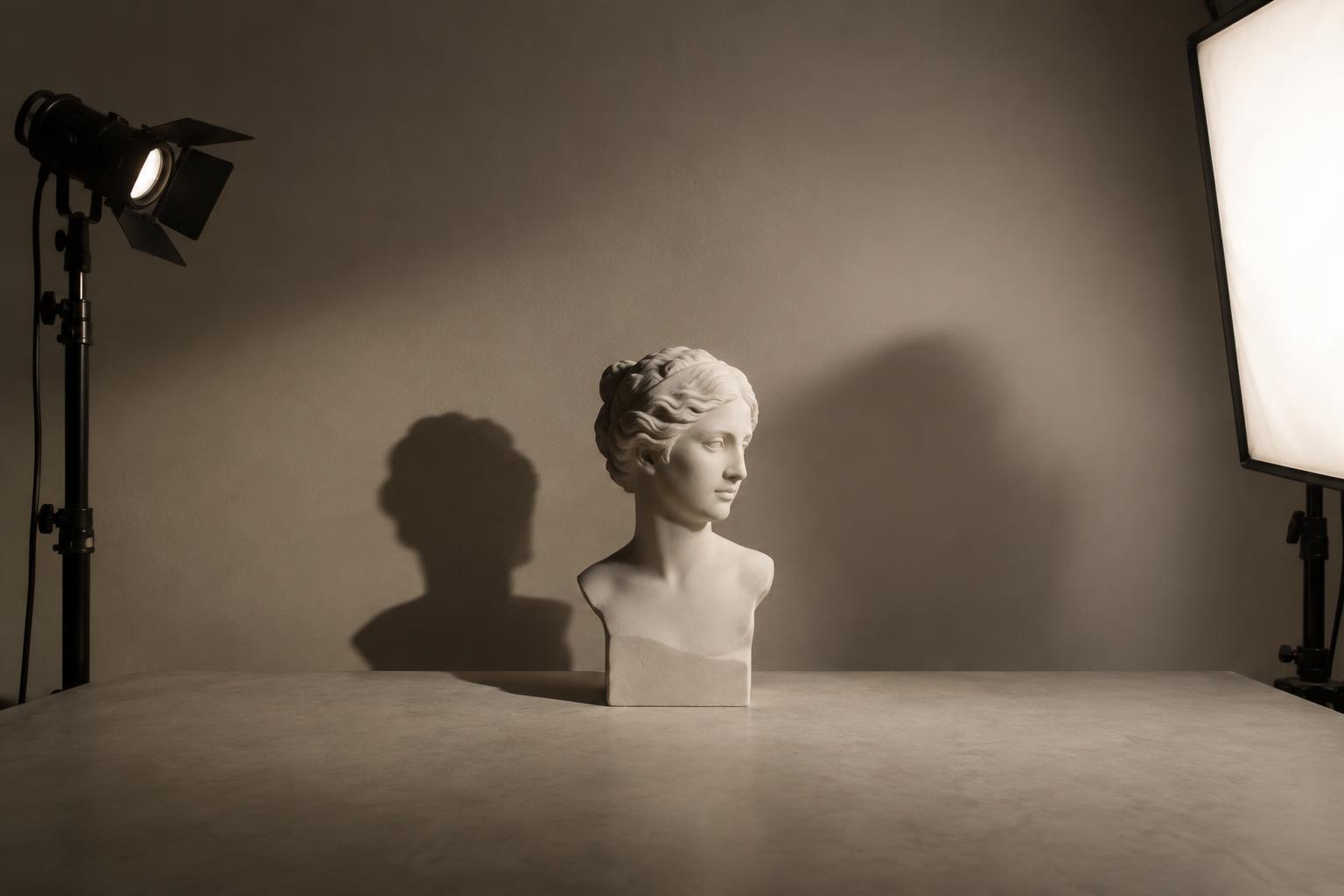
Lighting and CinematographyA lamp does not have a fixed “hard” or “soft” look. What matters most is how large its emitting surface appears from the subject’s position. Learn to read shadow edges, change a source’s apparent size, and choose the quality of light that serves a scene.
Read article · 4 min↗
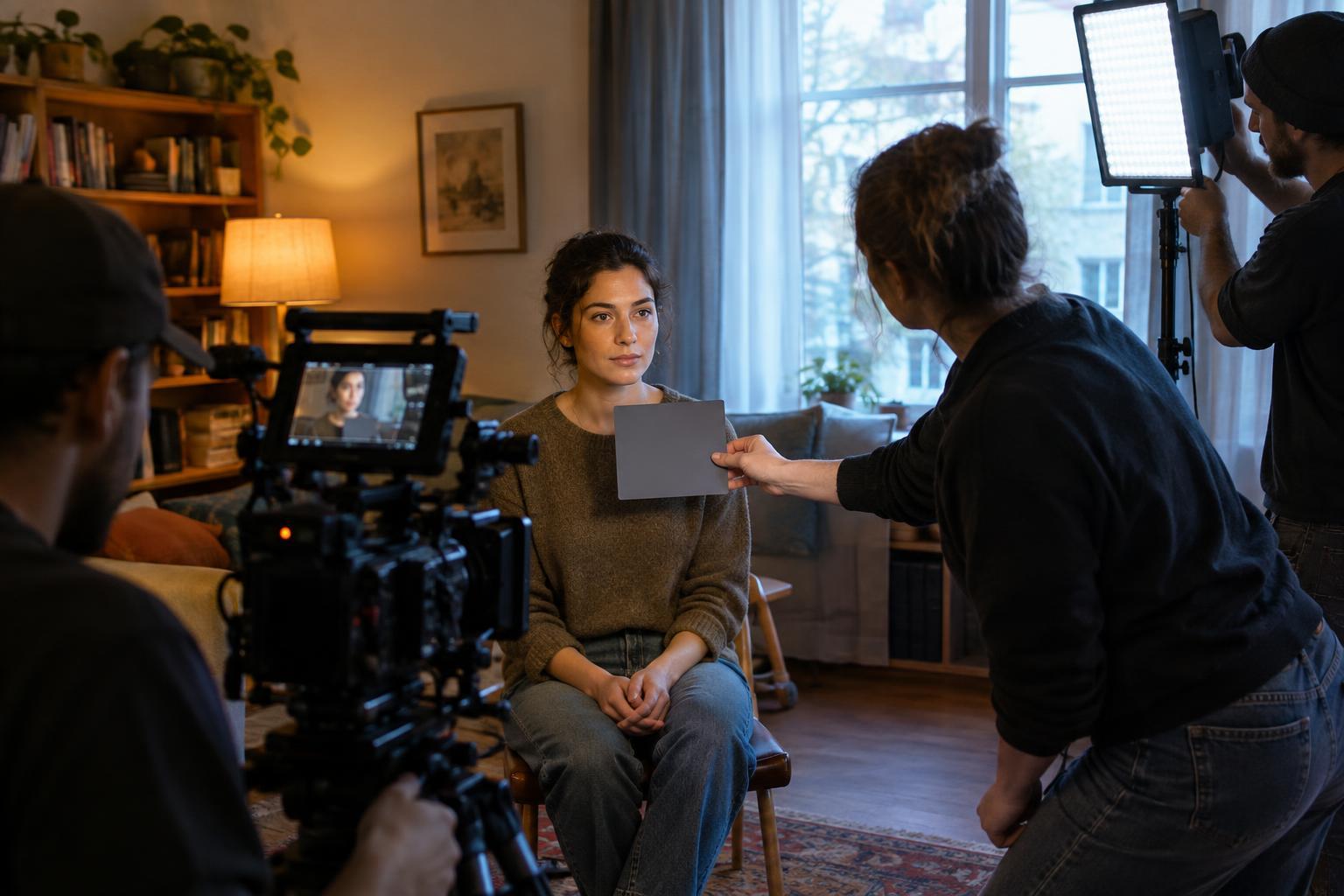
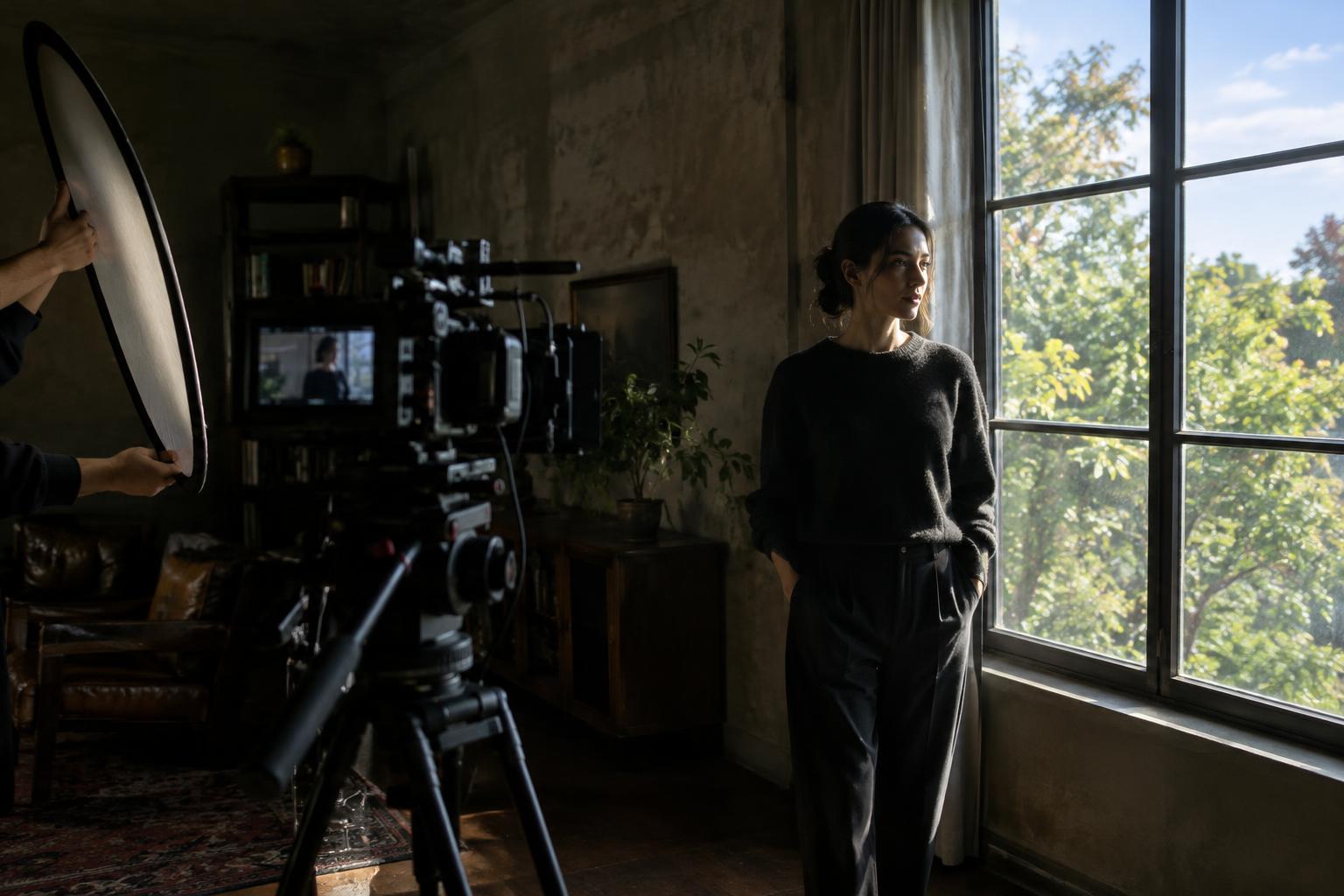
Lighting and CinematographyDynamic range shapes how much detail a camera can retain between the brightest and darkest parts of a shot. Learn how to judge a high-contrast scene, set exposure priorities, and use lighting and composition to keep the details that matter.
Read article · 4 min↗
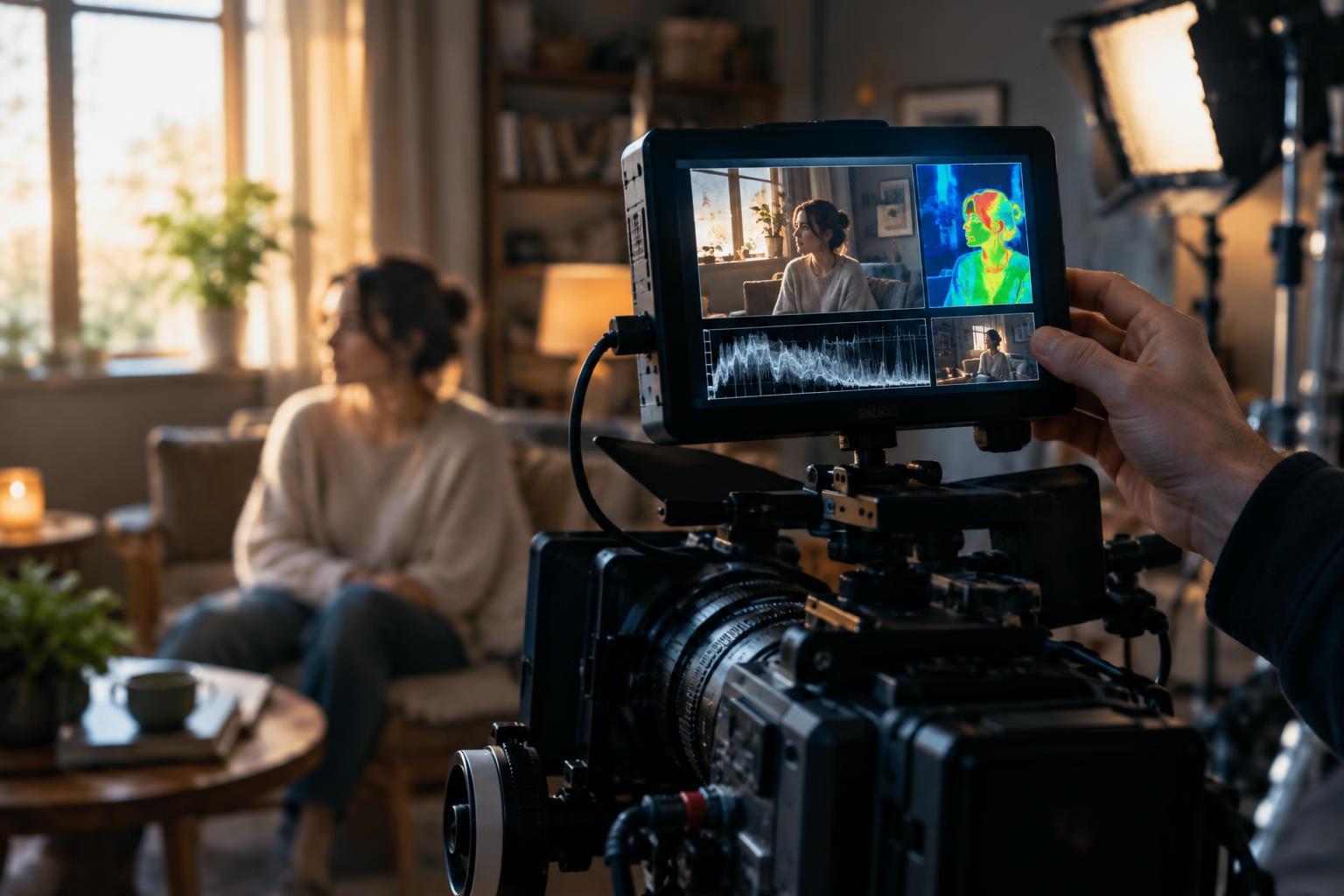
Lighting and CinematographyA camera screen can make an image look brighter or darker than it really is. Learn what waveforms and false color show, how viewing settings affect their readings, and how to use both tools for practical exposure checks.
Read article · 4 min↗
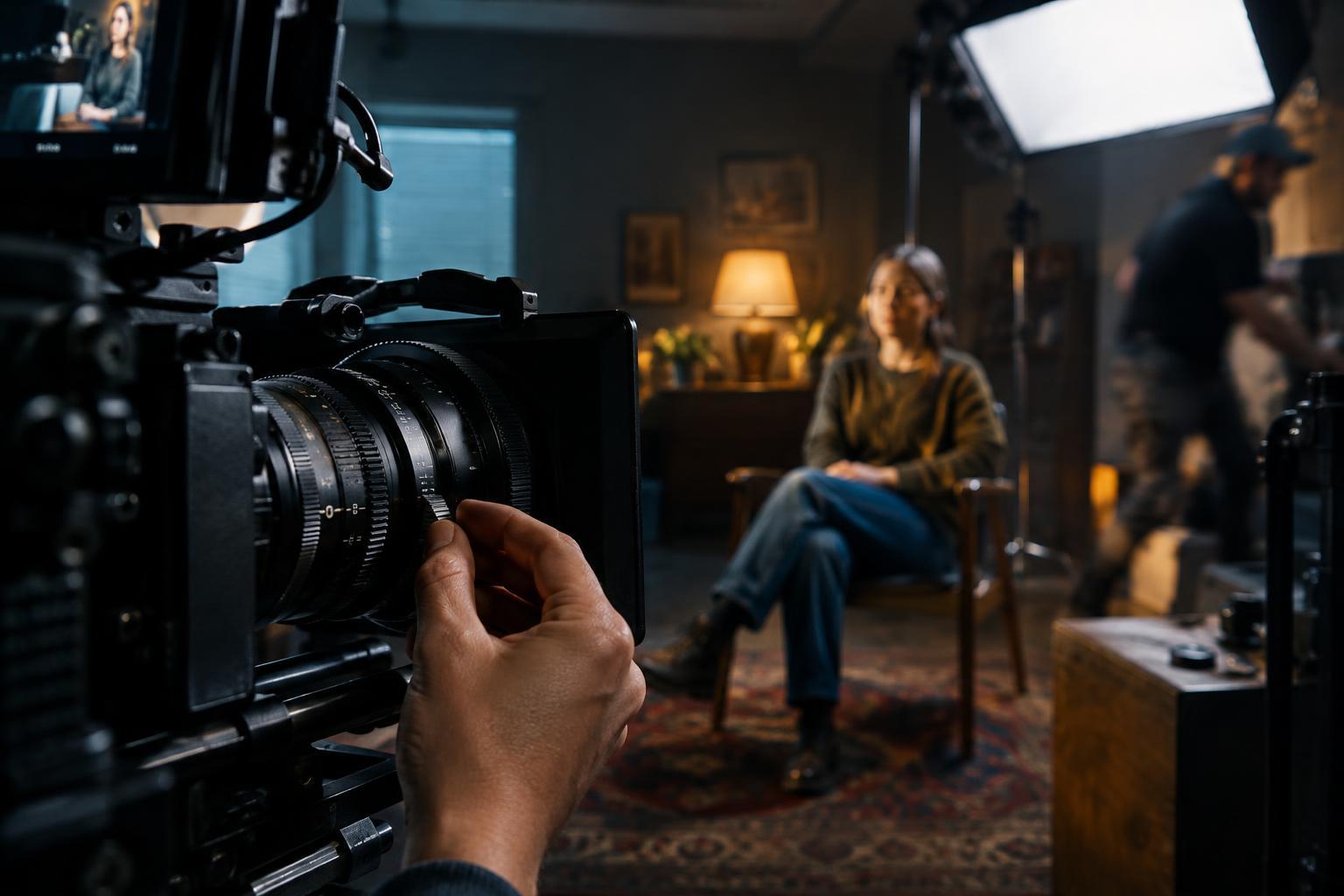
Lighting and CinematographyExposure controls how bright an image is recorded, but each camera setting also changes how a shot looks. Learn how aperture, ISO, shutter angle, and stops work together—and how to make deliberate choices on set.
Read article · 4 min↗