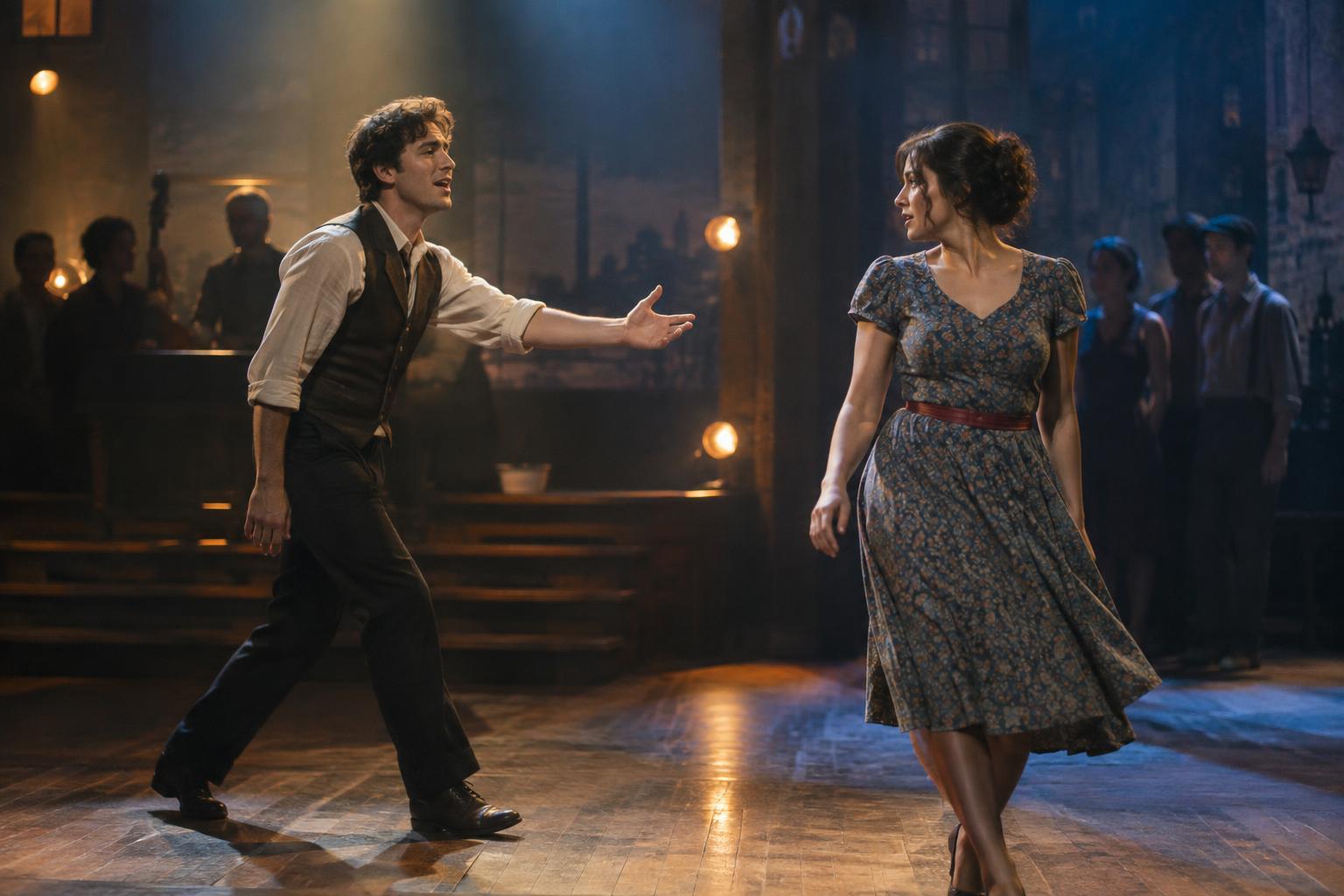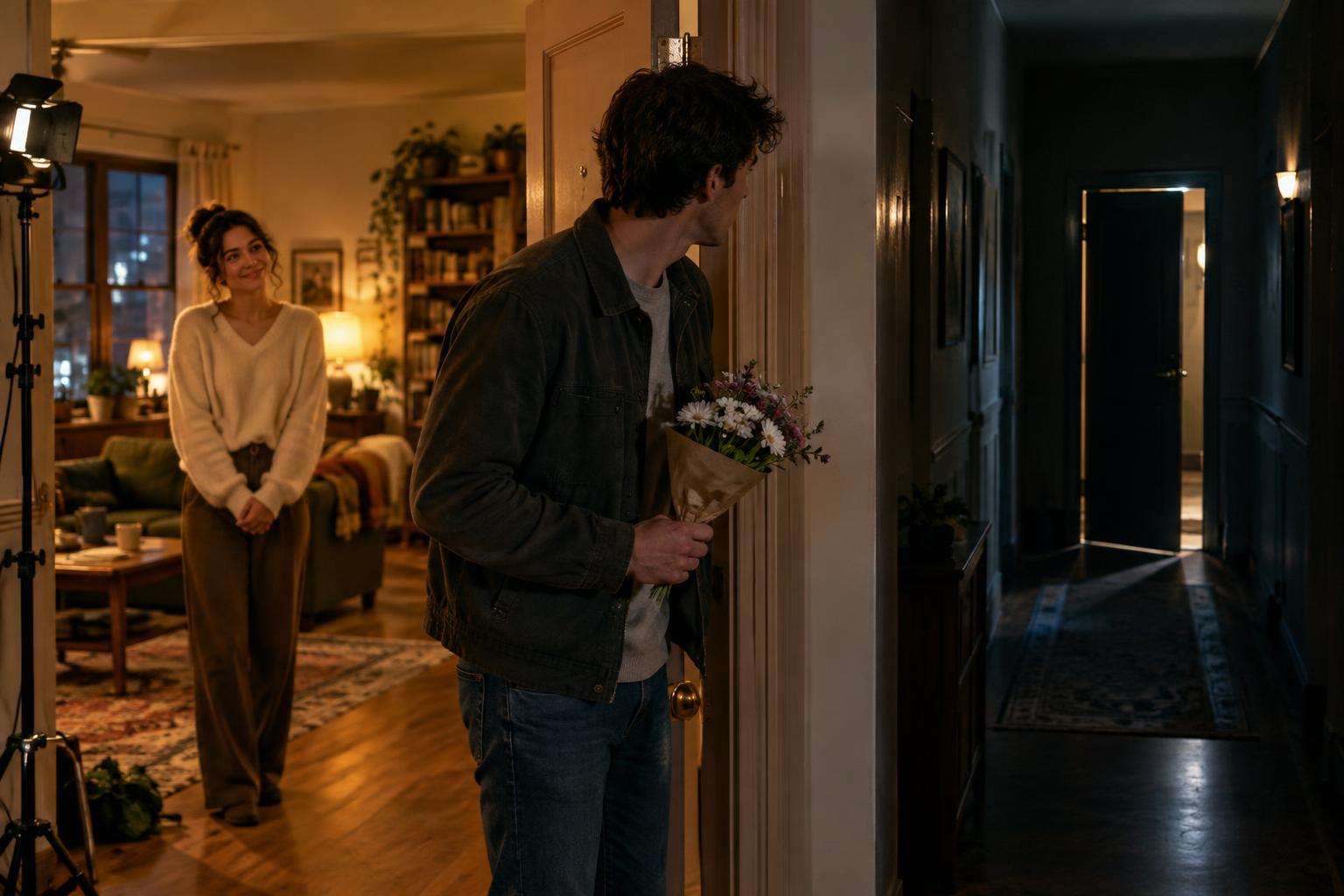
Give the story a primary engine
Genres offer audiences useful expectations. A mystery invites them to follow clues; a romance asks them to invest in a relationship; a horror film makes them attentive to danger. A hybrid draws on more than one of these patterns, but it still benefits from a central question that carries the film forward. What is the audience waiting to find out? If the answer changes from scene to scene without a clear reason, the blend can feel less like a choice than a loss of direction.
Consider a story about two estranged siblings investigating strange events at their childhood home. It might combine family drama, mystery, and horror. The investigation can provide the main engine: each discovery leads to another decision or question. The family conflict gives those discoveries emotional weight, while horror shapes the risks of pursuing them. None of the genres has to disappear. Each has a distinct job in the same story.
Decide what each convention contributes
A genre convention is more useful than a surface decoration. Darkness alone does not create horror, and a joke does not turn a scene into comedy. Conventions work because they shape anticipation and consequence. A withheld piece of information can make viewers curious; an approaching threat can make them anxious; a misunderstanding between characters can be funny while revealing what each person wants.
When developing a hybrid, try describing the purpose of each genre in a sentence. For example: the mystery organizes the plot, the comedy comes from the characters’ incompatible ways of solving problems, and the romance tests whether they can trust each other. If two elements serve the same purpose, they may compete for attention. If one serves no purpose beyond signaling a genre, it may be worth reducing. Clarity does not require equal time for every ingredient; it requires a reason for each one to be there.
Keep character goals legible through tonal shifts
A shift from suspense to humor can be satisfying when it changes how a character handles an ongoing problem. Someone who jokes under pressure may be trying to reassure a friend, conceal fear, or avoid an uncomfortable truth. The joke then belongs to the character and the situation. It offers relief without erasing what is at stake.
The same principle helps with sharper turns. If a lighthearted adventure becomes frightening, viewers need to understand what the new danger means for the people they have been following. A character’s goal can remain steady even as the mood changes: they still need to find a missing person, protect a companion, or make it home. Their tactics and understanding may evolve, but that continuing desire gives the audience a line to follow.
Use film language to prepare, not announce, the blend
Images, sound, performance, and pacing can establish that a story has room for multiple tones before a major turn arrives. A playful conversation filmed with an uneasy sense of space can leave open the possibility of danger. A tense scene that allows a small, character-specific moment of humor can signal that the film will not remain solemn throughout. These choices are most effective when they emerge from the world of the film rather than seeming to ask the audience to switch genres on command.
Transitions also matter. A cut from a frightening event straight to a broad joke might provide welcome release, or it might make the event seem inconsequential. The difference often lies in what carries across the cut. A lingering reaction, a changed relationship, or a practical problem caused by the frightening event preserves its effect even when the next scene is funny. Viewers can accept a new tone more readily when the story remembers what just happened.
Test the promises the film makes
Every prominent genre element creates an expectation of some kind of payoff. A mystery need not explain every detail, but its central questions should receive meaningful attention. A romance need not end with a couple together, but the relationship should change in a way the audience can understand. Horror can leave uncertainty, yet its threat should matter to the characters’ choices. A hybrid feels coherent when its ending acknowledges the promises that shaped the journey, even if it answers them in unexpected ways.
One useful revision test is to describe the film without naming its genres. State the central question, the protagonist’s goal, what repeatedly obstructs it, and what changes by the end. Then look at scenes that seem to belong to another kind of film. Do they complicate that question, reveal character, or alter the stakes? If so, the mixture is doing story work. If not, a scene may need a stronger connection to the whole. The aim is not to make a hybrid predictable, but to give viewers enough bearings to enjoy being surprised.