Genre is a promise, not a checklist
A film genre is a recognizable way of organizing stories. When someone calls a film a horror movie, a romance, or a western, the label offers a rough promise about what kind of experience awaits. Horror may invite dread; romance may place a developing relationship at the center; a western may explore conflict against a frontier setting. These descriptions are useful, but none is a complete recipe.
Genres take shape through repeated choices in plot, character, setting, imagery, sound, and tone. No single element has to appear in every film. A story can be science fiction without a spaceship, and a mystery need not end with a detective gathering everyone in one room. What matters is the relationship between the film’s choices and the expectations viewers bring to them.
Conventions give audiences their bearings
A convention is a familiar storytelling move associated with a genre. A thriller might withhold crucial information, establish a deadline, or make an ordinary location feel unsafe. A comedy might build a scene around a misunderstanding that grows harder to correct. These patterns help audiences understand the stakes quickly. They also give filmmakers a shared language for setting up tension, anticipation, or a joke.
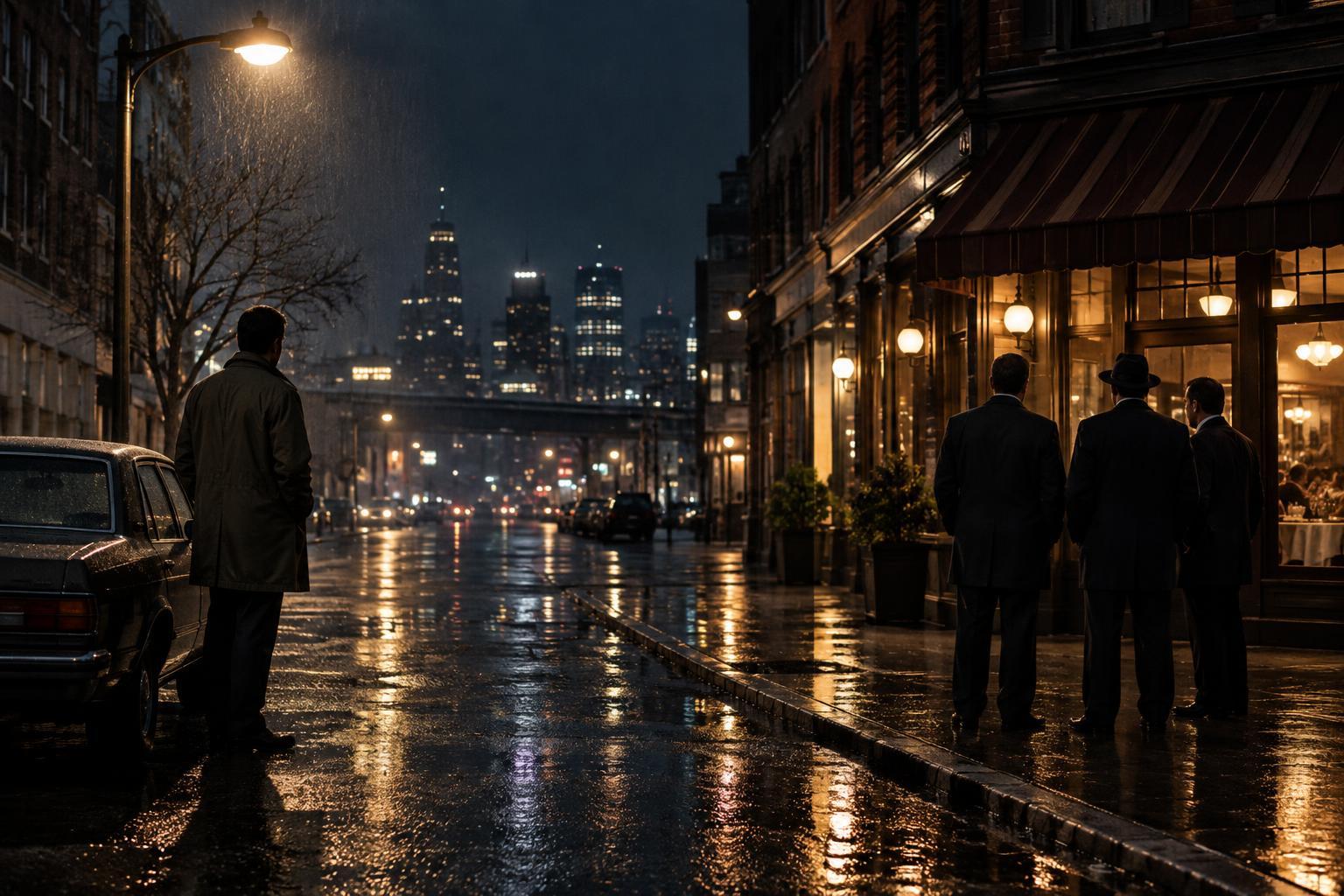
Conventions extend beyond plot. Low-key lighting and uncertain off-screen sounds can encourage suspense, while an expansive landscape can make a journey feel central to a story. Yet techniques do not belong exclusively to one genre: darkness can serve a drama, and a brightly lit room can be frightening. Genre depends on how elements work together across a film, not on a camera setting or sound effect in isolation.
Expectations shape the viewing experience
Audiences do more than recognize conventions; they use them to predict what might happen next. If a mystery draws attention to a small, unexplained object, viewers may expect it to matter later. If a horror film lets a character enter a silent house alone, viewers may scan the frame for danger. The film can fulfill those expectations, delay them, or lead the audience toward a different conclusion.
This exchange is part of genre’s appeal. A satisfying surprise often depends on first establishing a pattern that viewers can follow. But an exception needs a purpose. If a film introduces a mystery and then drops it without consequence, the result may feel less like a daring reversal than an unfinished story. Breaking a convention works best when the new direction deepens the characters, theme, or emotional effect.
Why genre boundaries stay flexible
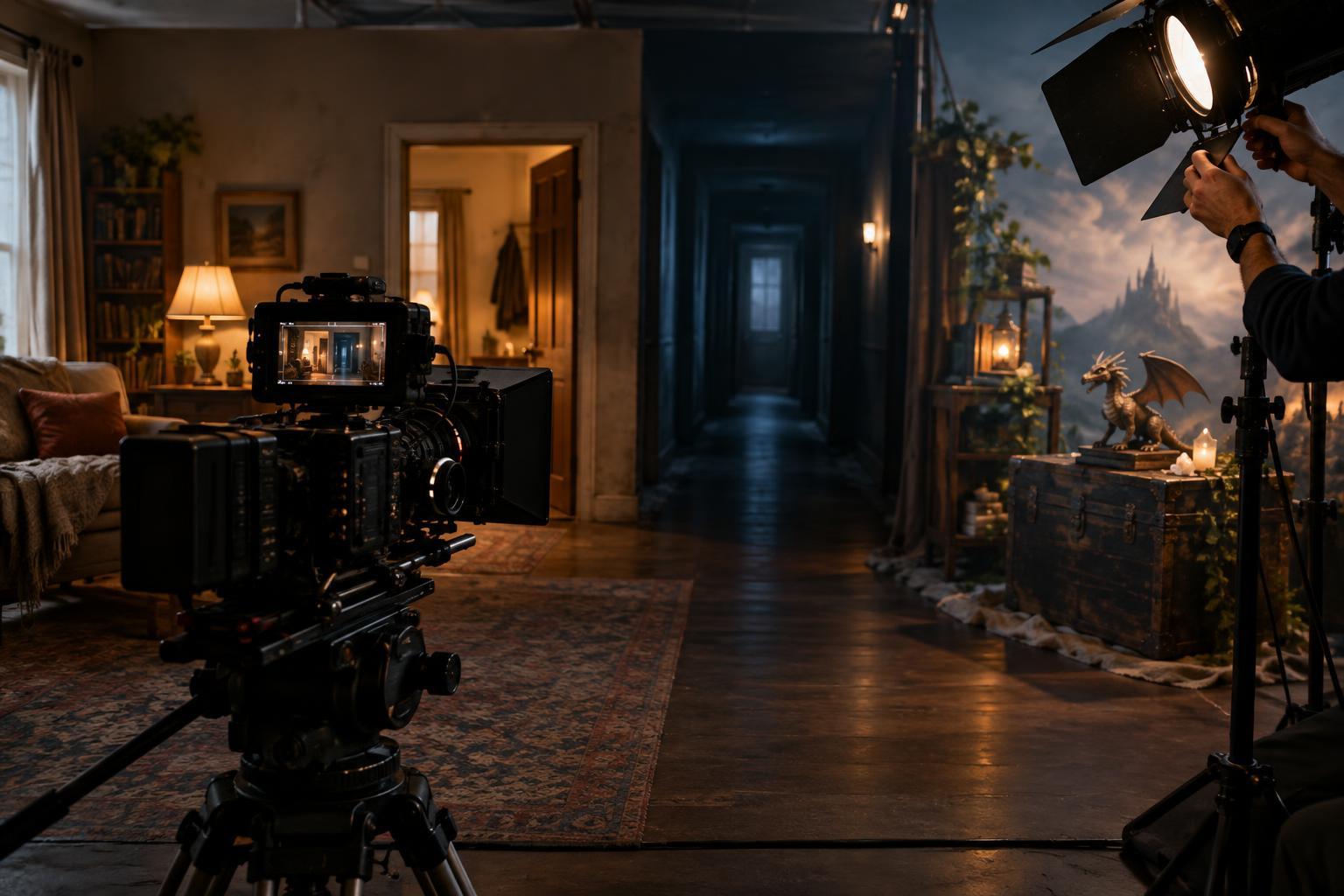
Many films draw on more than one genre. A story can use a crime investigation as its plot while treating a family relationship as its emotional center. A romance can unfold within a science-fiction setting without asking viewers to choose only one label. In such cases, it helps to ask which expectations drive the main conflict and which add texture.
Tone can complicate classification too. Two films might share a haunted-house premise, yet one aims for sustained fear while the other uses supernatural events to explore grief with moments of humor. Neither approach cancels the genre elements. Labels are guides to a film’s dominant concerns, not strict borders, and different viewers may reasonably emphasize different parts of the same work.
Use genre as a creative tool
For a filmmaker or screenwriter, genre is most useful as a set of questions. What does the audience expect from this premise? Which expectations are essential to the intended experience? Where could a familiar device reveal something specific about these characters instead of appearing by habit? A thriller’s ticking clock, for example, can create urgency, but the reason a character cannot simply walk away gives that urgency meaning.
When studying a film, look beyond its label. Note what the opening teaches you to anticipate, how image and sound reinforce that promise, and which moments confirm or challenge it. This approach makes genre less about sorting films into boxes and more about understanding how they communicate. Conventions provide a starting point; the choices made with them give a film its identity.