What the Two Labels Mean
Film noir is a name commonly given to a group of crime-centered films associated with the 1940s and 1950s. It is less a fixed genre with strict rules than a useful way to describe recurring moods, images and conflicts. A noir story might follow a detective, a desperate worker or someone drawn into a scheme they believe they can control. The plot often tightens as each attempt to escape creates another problem.
Neo-noir refers to later films that draw on those traditions while reshaping them. A neo-noir can revisit the private-eye story, place noir-like suspicion in an unfamiliar setting or question assumptions built into older crime tales. Neither label guarantees a particular ending or visual style. Both are most useful when they help explain how a film makes uncertainty feel compelling.
The Shared Engine: Desire, Pressure and Doubt
Both noir and neo-noir tend to put a character’s desires under pressure. Money, love, status, safety or the promise of a fresh start can motivate a risky choice. The character may know that choice is wrong, or may persuade themselves that circumstances leave no alternative. Consequences then arrive faster than expected. This pattern gives noir its distinctive tension: the danger comes partly from the world and partly from decisions the protagonist has already made.
Trust is equally unstable. Allies may have hidden motives, authorities may be ineffective or compromised, and the protagonist’s account of events may be incomplete. That does not mean every character must be cynical. A sincere relationship or an honest attempt to do the right thing can make the surrounding uncertainty more painful. Noir works best when its moral ambiguity is specific to the people involved, rather than a blanket claim that nobody is good.
A Visual Mood, Not a Lighting Rule
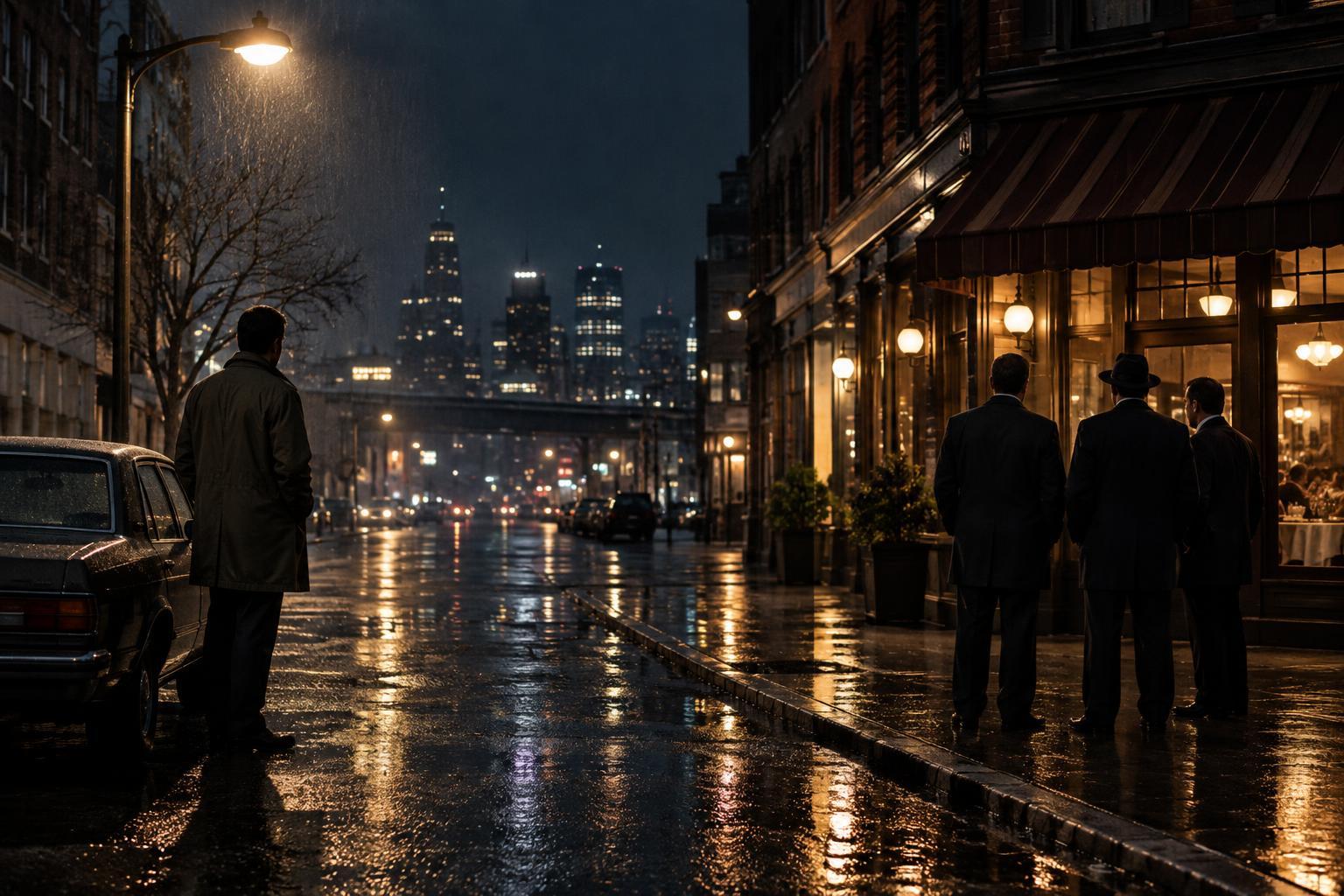
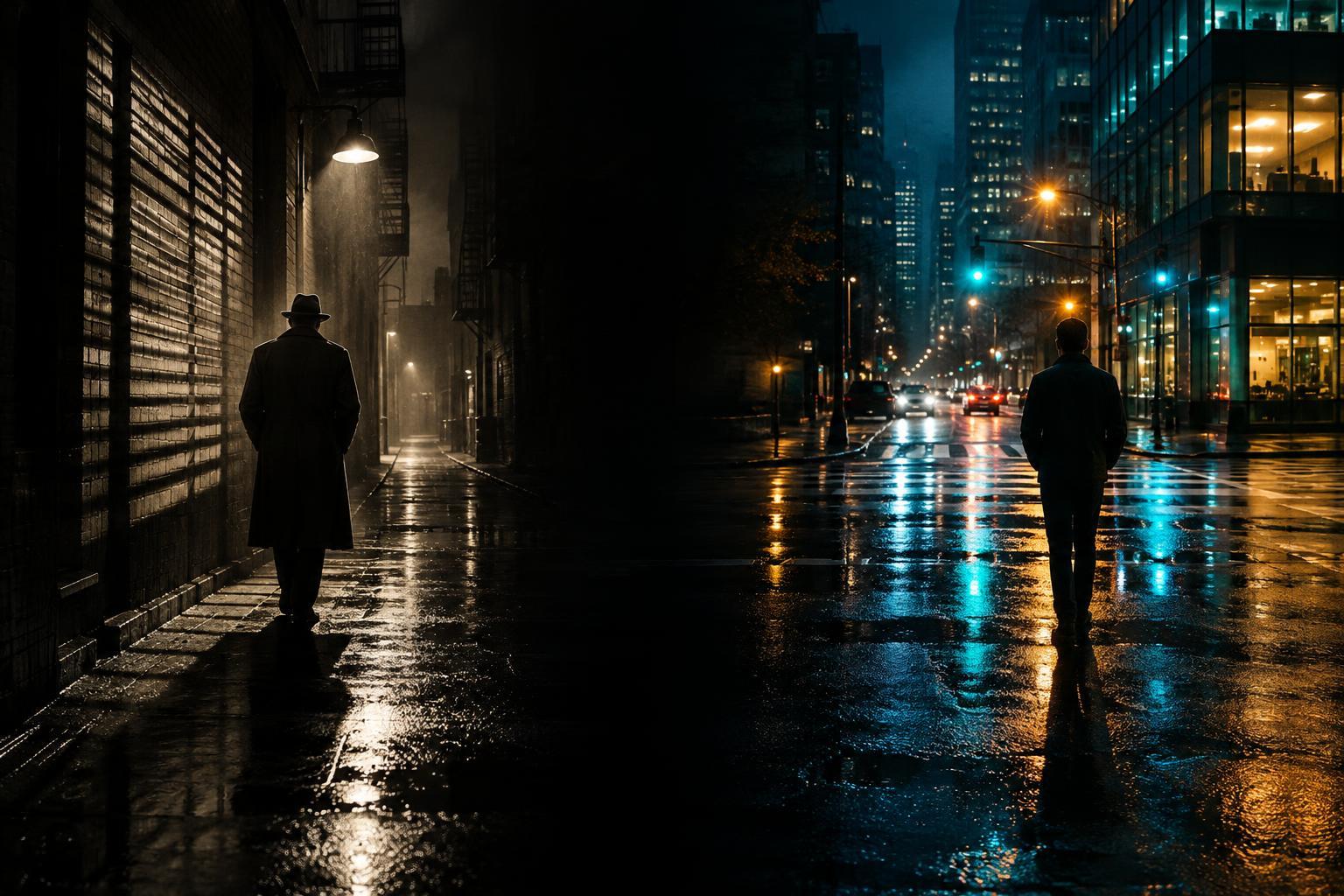
Classic noir is closely associated with expressive black-and-white photography: hard light, deep shadows, silhouettes and faces interrupted by lines from blinds or doorways. Those choices can make a room feel divided or a character seem trapped. Night streets, reflections and cramped interiors often reinforce the sense that there is nowhere comfortable to stand. Yet a film does not become noir merely because a lamp casts an angular shadow.
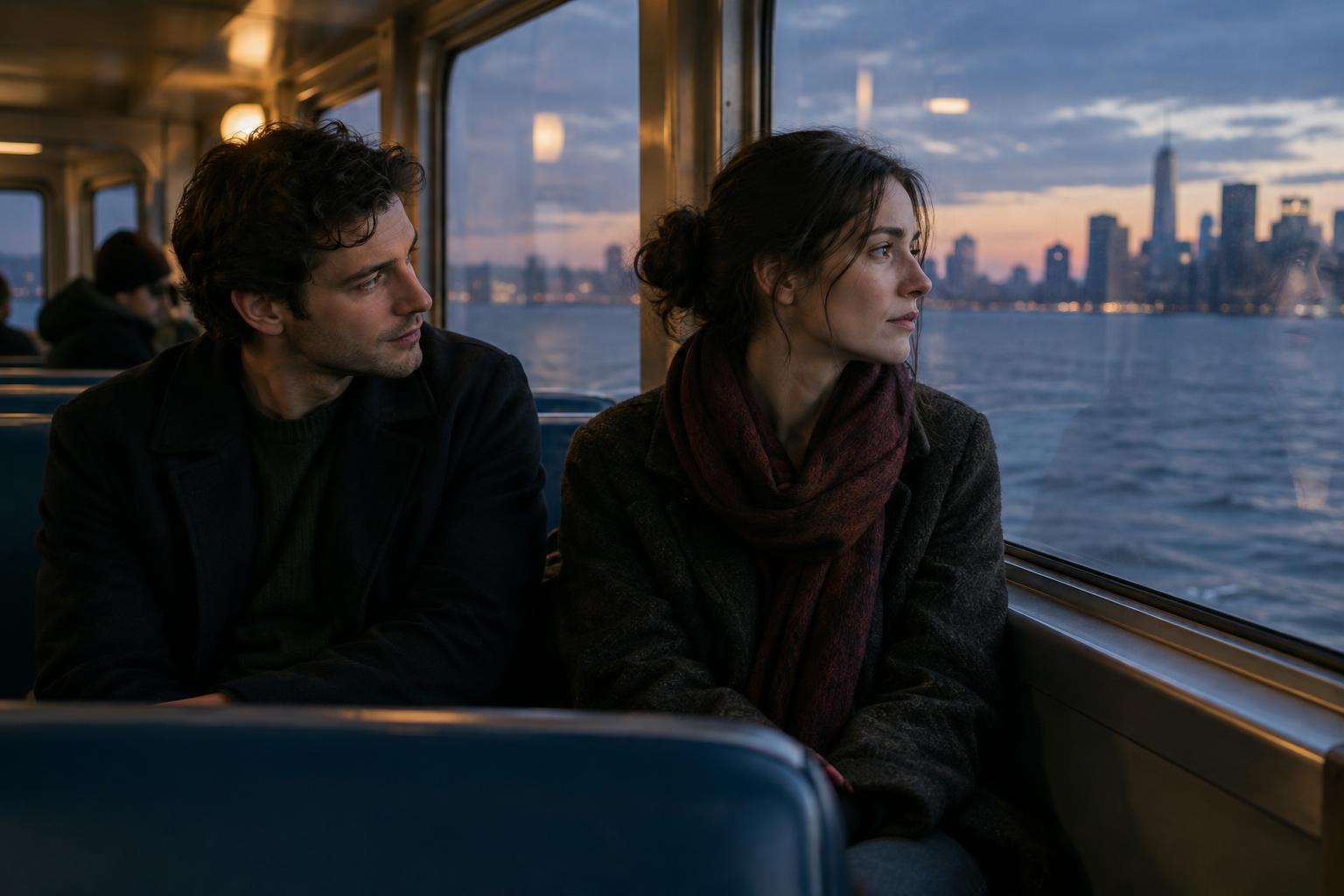
Neo-noir has a wider visual palette. It may use color, daylight, broad landscapes or clean modern interiors while preserving a feeling of exposure and unease. A brightly lit space can be unsettling if the camera shows a character has no privacy or control. For filmmakers, the useful question is not “How do I copy a noir image?” but “What should the audience understand or fear in this moment?” Lighting, framing and location can then serve the story rather than act as decoration.
Where Neo-Noir Changes the Conversation
Later filmmakers can borrow noir’s machinery without accepting every convention attached to it. Older noir frequently centers men investigating women whose intentions are treated as mysterious or threatening. A neo-noir might shift the point of view, give those women more interior lives or examine why the investigator assumes he understands the situation. It can also move beyond familiar detective and gangster roles to explore other forms of power, work and vulnerability.
The setting can change the meaning of the same basic plot. A secret in a close-knit neighborhood creates different pressures from one hidden inside a large institution. New ways of communicating or recording information can alter how characters lie, investigate and protect themselves. These details matter more than simply updating the cars and clothes. A strong neo-noir asks what confusion or temptation belongs to its particular world, then builds a story around it.
How to Recognize the Difference While Watching
When watching either kind of film, begin with the central choice. What does the protagonist want, what are they willing to overlook, and when do they lose control of the plan? Notice who holds information and how long the film lets you share the protagonist’s mistaken confidence. Then look at the craft: does a shadow conceal a practical threat, does an edit withhold a crucial reaction, or does a sound from outside the frame make a supposedly safe place feel vulnerable?
To distinguish noir from neo-noir, look beyond a film’s release period or whether it is in black and white. Ask what the film inherits and what it revises. A later work may faithfully use noir’s familiar patterns, challenge their perspective or carry their uneasy logic into a setting that looks nothing like a shadowy city street. The connection is the pressure of desire meeting uncertainty; the difference is what each film chooses to do with it.