Start with a fresh viewing
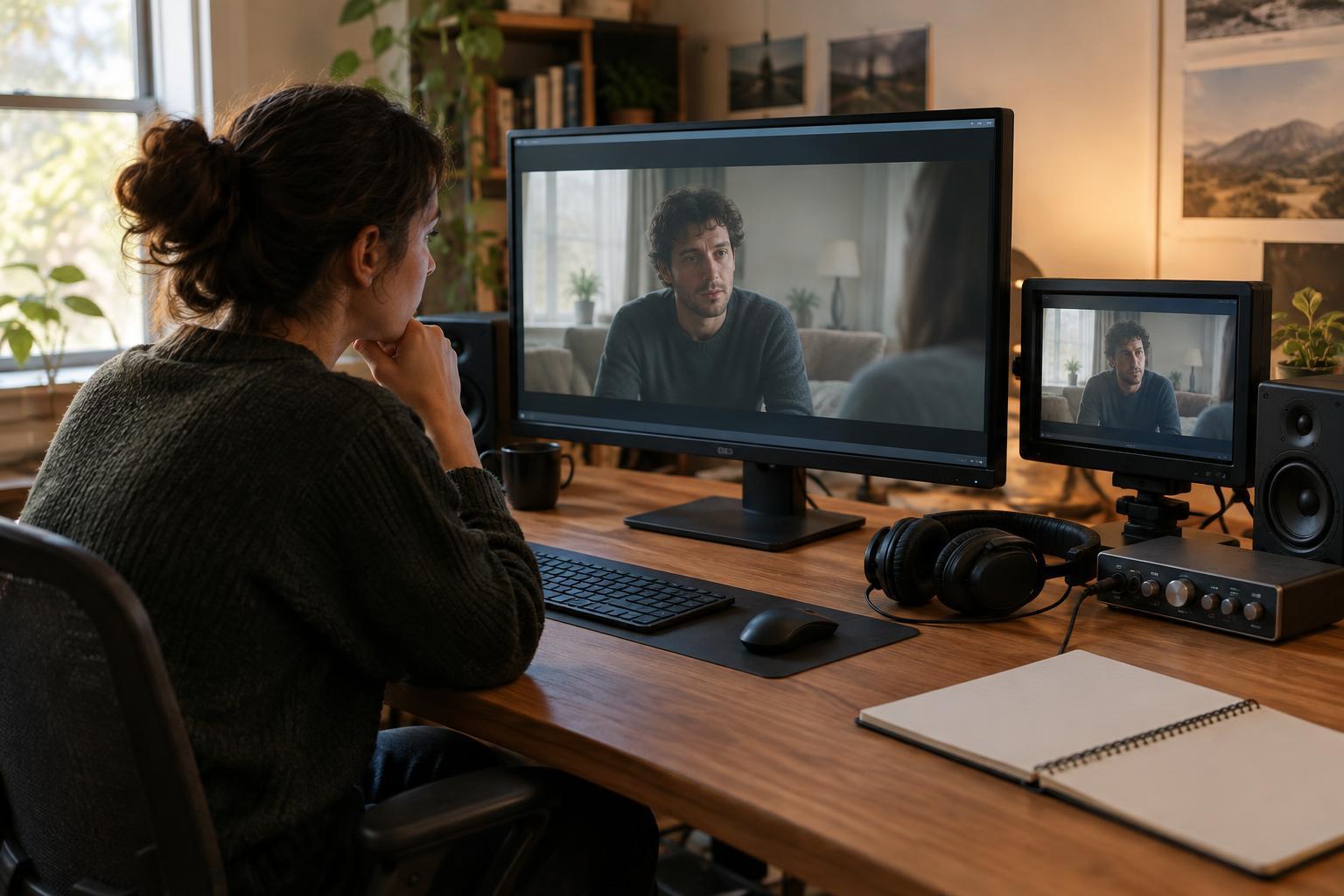
Final quality control is not another creative overhaul. It is a deliberate attempt to experience the film as a viewer will and catch problems that familiarity can hide. If possible, take a break after the last edit, then watch the film from beginning to end without stopping. Use the exported file rather than the editing timeline: an export can introduce problems that were not visible in the project.
On this first pass, pay attention to the story. Can you follow where each scene takes place and why it follows the previous one? Does a reaction arrive too early, a pause run too long or an important line get buried? Note the time of anything that pulls you out of the film, but resist fixing it mid-viewing. An uninterrupted watch makes it easier to judge pacing and emotional continuity.
Inspect the picture, not just the composition
Make a second pass focused on the image. Look for black frames, offline-media warnings, repeated shots, accidental gaps and single-frame flashes at cuts. Check that reframing, stabilization and visual effects hold up through the full duration of each shot. Text needs its own inspection: titles, credits and any on-screen information should be legible, spelled correctly and visible long enough to read.
Compare shots within each scene for distracting changes in brightness, contrast, color and skin tone. A change may be intentional, especially across locations or lighting setups, but it should not look like an accident. Examine dark scenes and gradients in the actual export, where compression may make noise, blockiness or banding more noticeable. Also confirm that the image has the intended aspect ratio and that nothing important is cropped at the edges.
Listen for problems the image cannot reveal
Give sound a separate pass, ideally without looking at the screen for part of it. Listen for clipped words, abrupt changes in room tone, distracting background noise and music that masks dialogue. Transitions deserve particular attention: a cut that looks smooth may reveal a sudden shift in ambience, while a fade may expose a click or an unintended silence.
Check the beginning and end as carefully as the middle. Sound can start late, end too abruptly or continue after the picture has finished. Listen at a comfortable volume on more than one playback system if you can, such as headphones and ordinary speakers. The goal is not to make them sound identical, but to catch dialogue that becomes hard to understand or a mix that depends on one setup to work.
Check captions and the delivery file
If the film has captions or subtitles, watch them in the version you plan to share. Verify names, punctuation, line breaks and timing against the audio. Captions should not disappear before a line can be read or obscure essential on-screen text when another placement is possible. If they are supplied as a separate file, confirm that it belongs to the final cut and stays in sync through the ending.
Before exporting, review the requested delivery settings rather than relying on the previous project's preset. Check the frame size, frame rate, aspect ratio, audio inclusion and file format against the destination's specifications. After export, confirm that the file opens, plays all the way through and contains the expected picture and sound. An export that completed without an error message is not, by itself, proof that the film is ready.
Make one last handoff pass
Open the exact file you intend to send from its final folder, not a similarly named version elsewhere. Check its first and last seconds, then spot-check the timecodes you noted earlier. A clear filename can help distinguish a review copy from the approved version. If you are sharing more than one format, check each file separately; a good master does not guarantee that every smaller copy is sound.
Finally, make sure the surrounding materials match the film. A thumbnail should represent the correct project, and the title and description should not contradict what appears on screen. Confirm that any required credits or acknowledgments are present before the handoff. Quality control cannot remove every uncertainty, but a calm, repeatable viewing and file check gives you a much better chance of sharing the film you meant to make.