Look for the story question
An opening does more than introduce a setting. It gives the audience a reason to keep watching. When you are trying to identify a film’s genre, ask what question its first scenes invite you to follow. Will someone escape a threat? Will two people find a way to connect? Can a character uncover the truth? The question is often a stronger clue than the costumes or location.
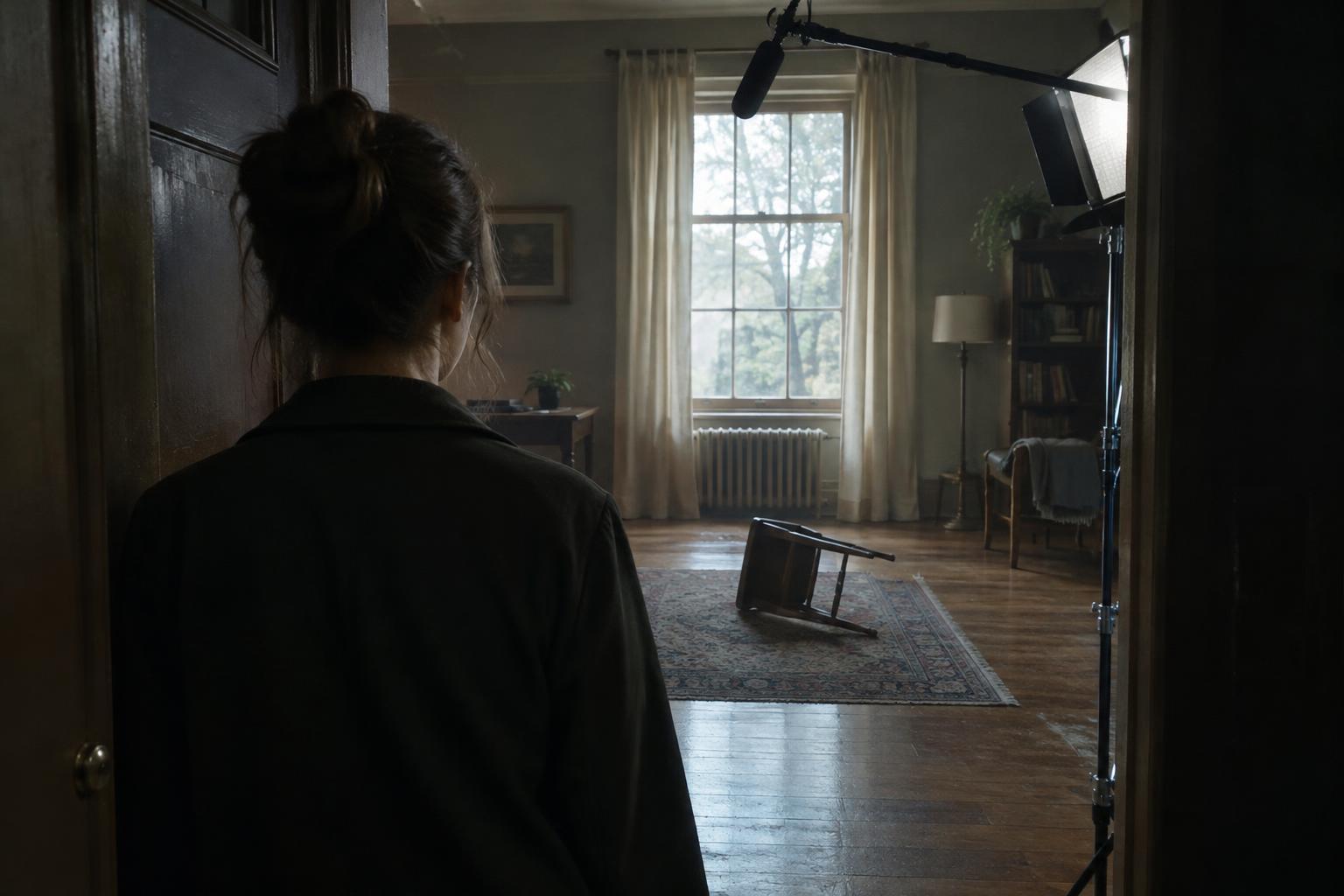
Consider an opening in which a visitor arrives at an unfamiliar house. If the emphasis falls on locked doors and the visitor’s safety, the story may be moving toward horror or suspense. If the visitor has come to settle a family disagreement, it may be a drama. If the house is full of awkward introductions and missed signals, a comedy could be taking shape. The building has not changed; the film’s priorities have.
Notice whose perspective guides you
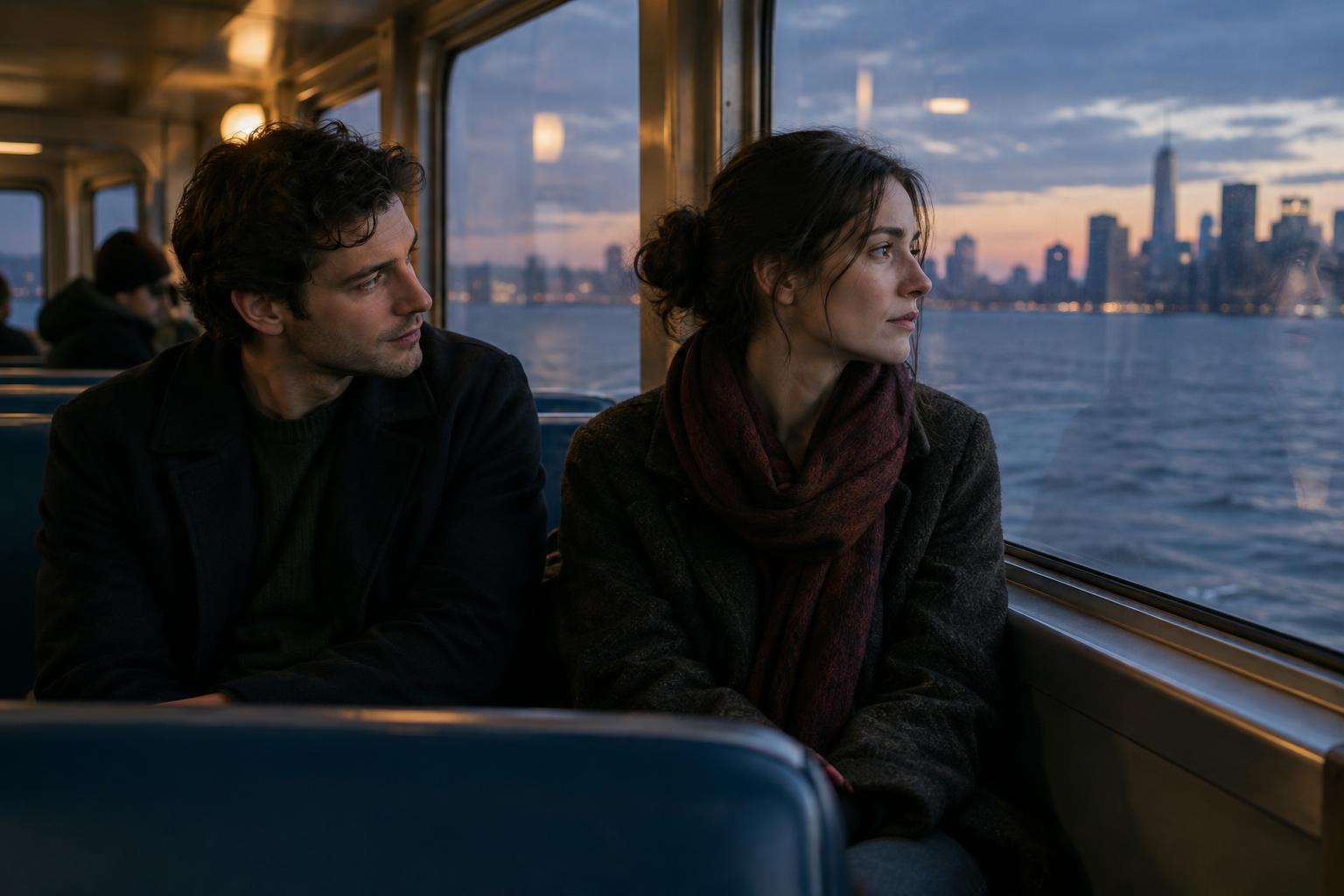
Genre also emerges from what a film asks you to feel alongside its characters. An investigator noticing small inconsistencies may lead you toward a mystery. A person planning a difficult journey may signal adventure. A character trying to hide an embarrassing mistake may establish comedy, even if the surrounding world looks serious.
Pay attention to what the opening treats as an obstacle. In an action story, the obstacle might demand an immediate physical response. In a relationship drama, it might be a conversation neither person can bring themselves to start. This does not mean every film fits one pattern. It means that a character’s goal, and the kind of trouble placed in its way, can reveal the storytelling mode more clearly than a genre label would.
Read images and sound together
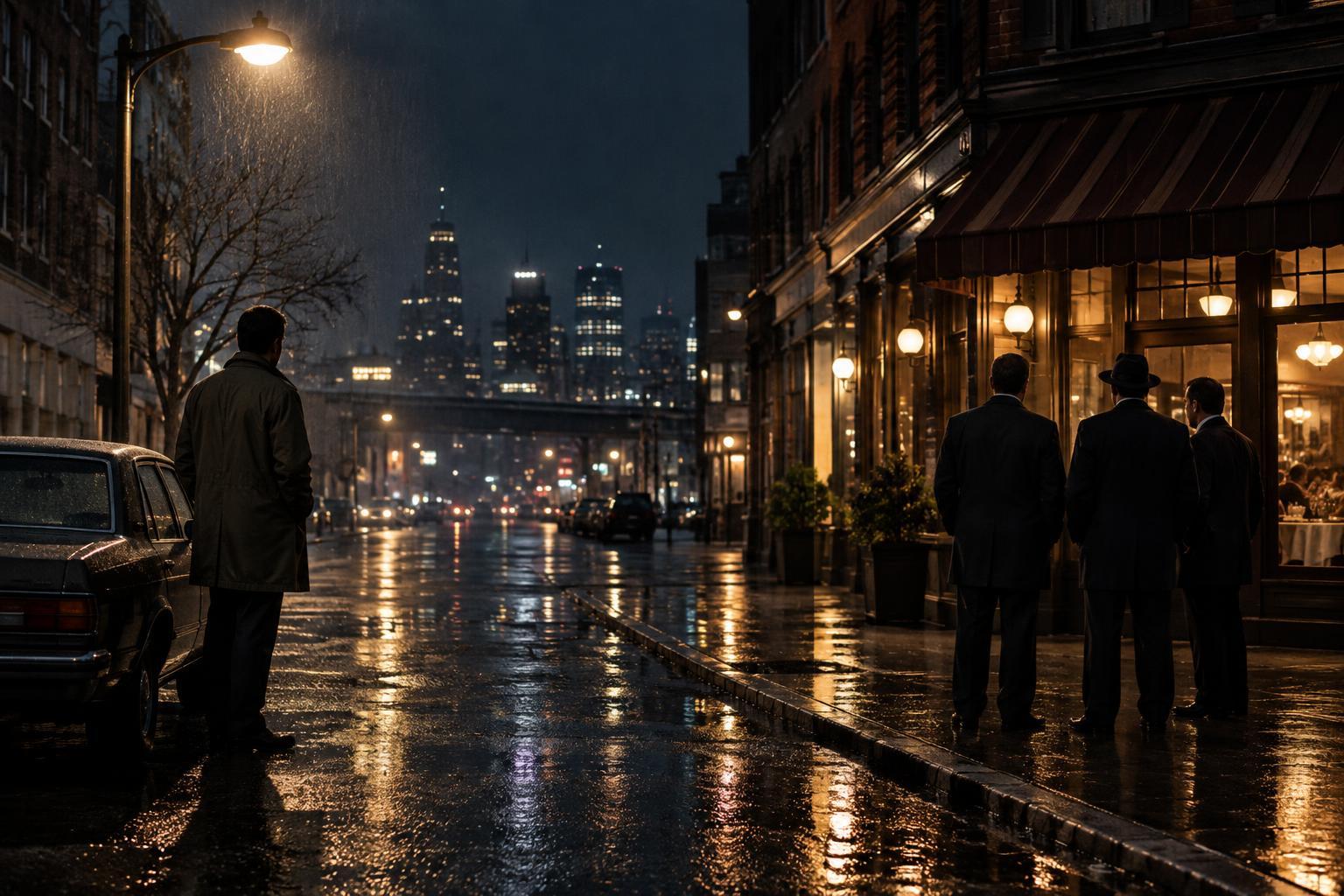
Lighting, framing and production design help shape your expectations, but they rarely work alone. A narrow hallway filmed from a distance might make you search the background for danger. The same hallway, brightly lit and filled with people interrupting one another, could set up a farce. Notice where the camera directs your attention, what it withholds and whether an ordinary object is presented as inviting, suspicious or threatening.
Sound can strengthen or complicate those impressions. A sudden absence of background noise may make a quiet room feel unsafe. Fast dialogue and precisely timed interruptions can turn a tense situation into comedy. Music may suggest an emotion, but do not let it make the decision for you: a film can use cheerful music against unsettling images, or ominous sound to playfully exaggerate a minor problem. Look for patterns across several choices rather than treating one cue as proof.
Watch the rhythm of the opening
How a film spends its first minutes is another clue. Quick cuts between pursuit, reaction and consequence may promise momentum and physical stakes. Longer takes that allow a conversation to shift gradually may ask you to focus on relationships or moral tension. A mystery might linger on a detail that seems out of place, giving you time to wonder why it matters.
Pacing is not a fixed genre rule. A horror film can begin with a relaxed family breakfast, and an action film can open with stillness. Ask instead what the rhythm prepares you to notice. Does the calm make a later disruption feel inevitable? Does a rapid sequence establish a problem the film must then explain? The contrast between an opening’s pace and its first major change can be as revealing as the pace itself.
Form a hypothesis, then revise it
A useful way to read an opening is to make a provisional guess: “This seems like a mystery because the film has presented an unanswered event, a curious character and a detail it wants me to remember.” Then test that guess as the film continues. If the investigation becomes less important than the investigator’s strained friendships, the film may be blending mystery with drama rather than abandoning its opening promise.
Distinguish genre from mood and setting as you do this. A bleak atmosphere does not automatically make a film horror, and a story set in the future is not defined solely by its technology. Many films combine genres or deliberately mislead viewers early on. The goal is not to assign a perfect label before the opening ends. It is to notice the expectations the film creates—and to enjoy how it fulfills, changes or challenges them.