Two kinds of uncertainty
A locked room, a missing person, and a threatening message could begin either a mystery or a thriller. The difference lies less in the objects on screen than in the question the story asks us to carry. A mystery tends to ask, “What happened, and how can we know?” A thriller tends to ask, “What will happen next, and can anyone stop it?” Both depend on uncertainty, but they direct our attention toward different kinds of answers.
These are useful tendencies, not rigid rules. A mystery can be frightening, and a thriller can have a puzzle at its center. The distinction becomes clearer when you consider what would disappoint the audience most. If a story builds around interpreting evidence but never offers a satisfying account of it, its mystery may feel unfinished. If it promises an approaching threat but seldom makes that threat feel consequential, its thriller energy may fade.
How clues work in a mystery
In a mystery, a clue is more than an unusual detail. It is information that can change our understanding of an earlier event. A muddy shoe, an inconsistent timetable, or a witness who recognizes the wrong voice gives characters and viewers something to test against other facts. Strong clues have a place in the eventual explanation, even when their meaning is not obvious at first.
Mysteries create pleasure through revision. An early assumption seems reasonable; a new detail makes it doubtful; a later connection gives familiar evidence a different shape. The audience need not solve the case ahead of the characters, but it should have enough access to the reasoning to understand why the answer fits. A reveal is often more satisfying when it clarifies details we have already seen than when it depends entirely on information withheld until the end.
How suspense drives a thriller
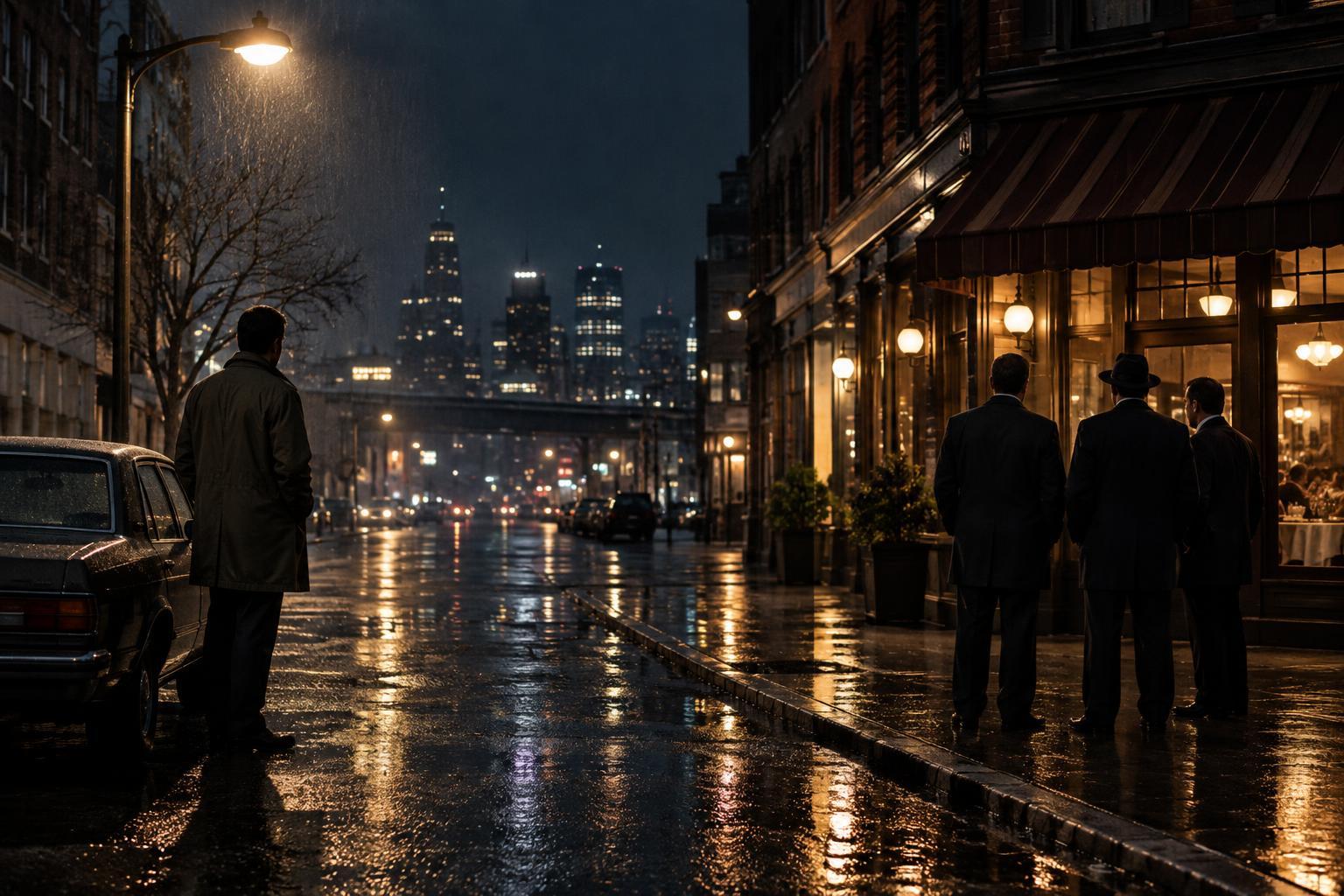
A thriller places pressure on the present and near future. Someone may be followed, a secret may be exposed, or a dangerous plan may already be in motion. The central question is not necessarily who caused the problem. It is whether the characters can act before their options run out. Deadlines, constrained spaces, conflicting loyalties, and costly choices can all intensify that pressure.
Audience knowledge is a powerful tool here. If viewers see a danger that a character has not noticed, an ordinary action—opening a door, answering a call—can become tense. A thriller can also keep viewers as uncertain as the character, making each new encounter a possible threat. Neither approach requires constant action. A quiet scene can sustain suspense when we understand what is at stake and why the character cannot simply walk away.
What changes when the genres overlap
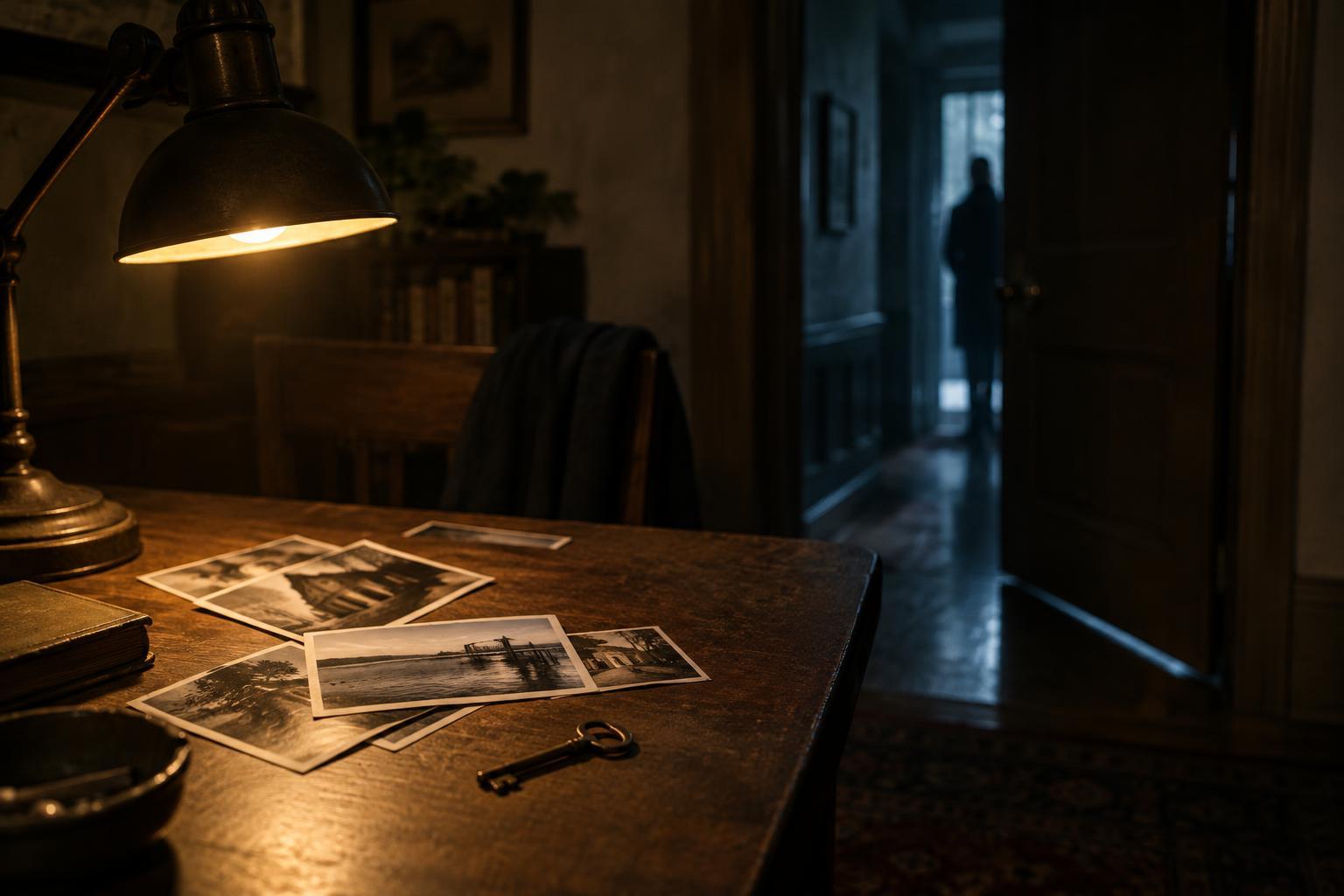
Consider a character investigating a series of disappearances while someone tries to prevent the investigation. The disappearances create a mystery: what connects them, and who is responsible? The interference creates a thriller: will the character uncover the truth before being stopped? A clue can serve both threads. Finding a hidden photograph might revise the character’s theory while also alerting an adversary that the investigation is getting close.
Overlap works best when the two questions reinforce rather than interrupt each other. An extended explanation may slow a scene built around immediate danger; a chase may feel like a detour if it has no effect on what the characters know. Moving between discovery and consequence helps: each answer exposes a new risk, and each risky choice produces information. The story can then reward curiosity without letting the urgency disappear.
Using the distinction as a viewing or writing tool
When watching a film, notice what you anticipate before a scene begins. Are you looking for a detail that will help you reinterpret the past, or are you worried about an impending encounter? Notice, too, what the film lets you know that its characters do not. Those choices reveal how it builds curiosity and suspense, regardless of the label on the genre.
For a filmmaker shaping a story, it helps to write down the audience’s main question at each turning point. If the question is “What does this evidence mean?”, give the detail enough clarity to be considered later. If it is “How will they get out of this?”, establish the danger and the limits on escape. A film can ask both questions at once, but knowing which one leads a scene makes it easier to decide what to show, what to withhold, and when an answer will have the greatest effect.