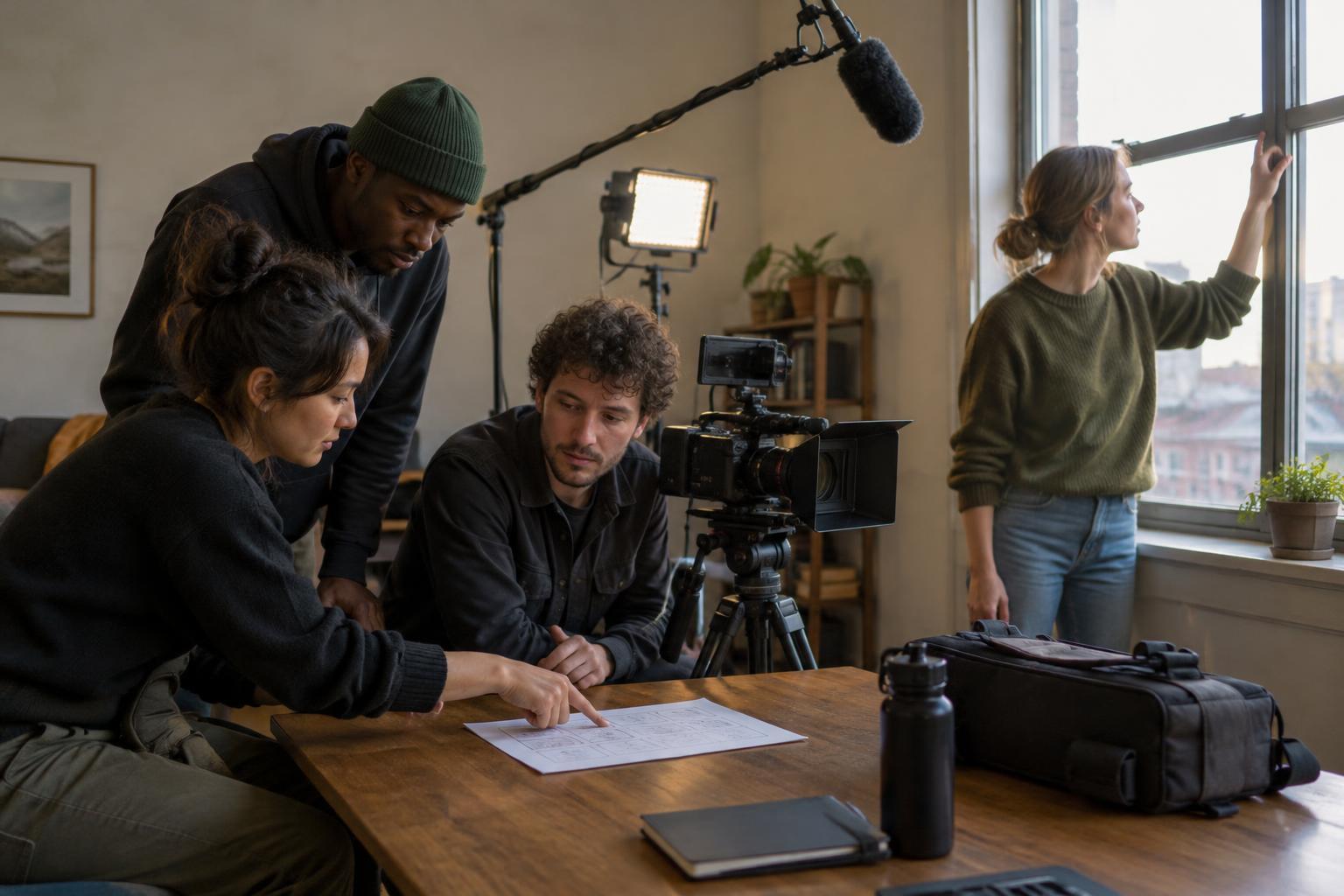
Start with a scene breakdown, not a calendar
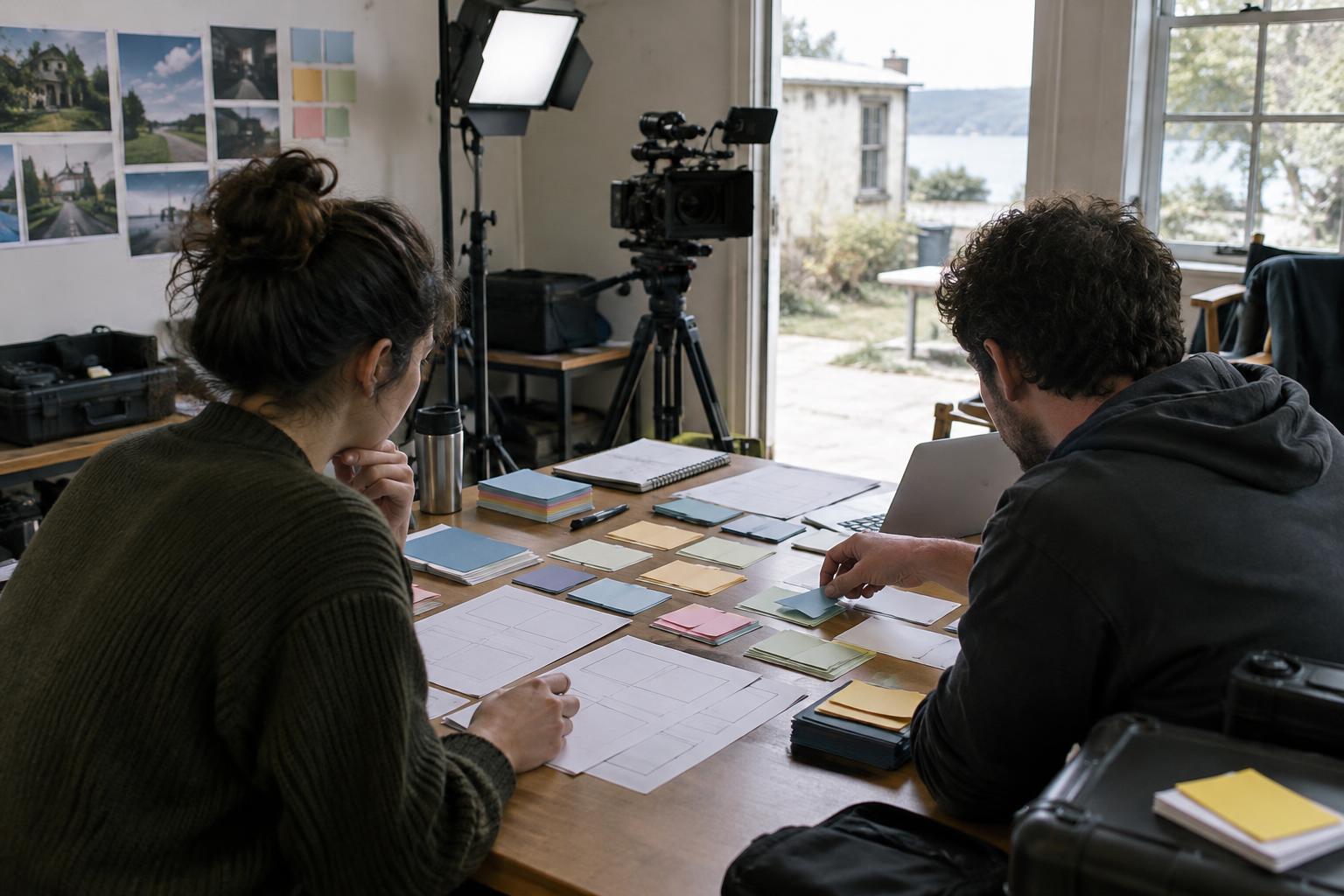
A script tells the story in viewing order. A production schedule tells the crew where to be, what to prepare, and what can reasonably be filmed together. Before assigning scenes to days, make a scene list. For each scene, note its number, location, interior or exterior setting, time of day in the story, characters, and a brief description of the action. Add anything that could affect the shoot: a prop that must match another scene, complicated sound, a lighting change, or an effect that needs extra preparation.
Keep the list simple enough to scan. A spreadsheet works well because you can sort it by location, cast, or other requirements. You are not trying to predict every minute yet. You are making the hidden demands of the script visible. If two scenes take place in the same kitchen but one calls for a quiet conversation and the other for a crowded dinner, they may share an address without sharing the same setup.
Group locations, then check the exceptions
Location moves consume time even when the destinations are close. Equipment must be packed, transported, unloaded, and made ready again. Grouping scenes at one location can therefore make a small shoot easier to manage. Begin by placing all scenes from the same location together, then look for ways to film them with related lighting, camera positions, and set dressing.
Location grouping is a starting point, not an absolute rule. A room dressed for a daytime scene may need a substantial reset before it can play as night. An exterior may depend on available light or weather. A performer may be available for only part of a day. Mark these constraints beside the relevant scenes and use them to test whether a proposed grouping is actually practical. Avoid building a schedule that saves one move but requires repeated, difficult resets.
Estimate the work between “action” and “cut”
Scene length alone is a poor measure of shooting time. A short scene with many angles, precise movement, or difficult sound can take longer to film than a longer exchange covered simply. For each scene, consider the likely camera setups, lighting adjustments, rehearsals, takes, and any changes to props or wardrobe. You can use broad labels such as light, moderate, and complex before attempting finer time estimates.
Then account for work that does not appear on screen. A shoot day needs time for arrival, unloading, meals, location resets, packing, and departure. If a scene depends on a specific practical effect or a heavily dressed space, allow time to prepare it and put it back. Talk through the estimates with the people handling camera, sound, art, and performance wherever possible. Their questions may reveal a dependency the scene list missed.
Build days around clear priorities
Once the scenes are grouped and roughly sized, assemble a draft day for each location or cluster of nearby locations. Put time-sensitive work where it has the best chance of succeeding. That might mean filming a daylight exterior before moving indoors, or shooting a scene with a limited-availability actor before scenes that use only the core cast. Keep scenes that share an important setup together when the story and logistics allow it.
Identify a must-have portion of each day and a smaller set of scenes that could move if time runs short. This is more useful than pretending every planned shot has equal priority. For example, a morning in an apartment might begin with the principal dialogue scene, continue with close shots that use the same lighting, and leave a brief insert for the end. The insert is easier to defer than the performance that anchors the sequence.
Leave space for uncertainty. Sound interruptions, slow resets, and a shot that needs another take are ordinary scheduling considerations, not signs of failure. A plan with no breathing room gives the crew little ability to respond thoughtfully when something changes.
Check the plan as a sequence of handoffs
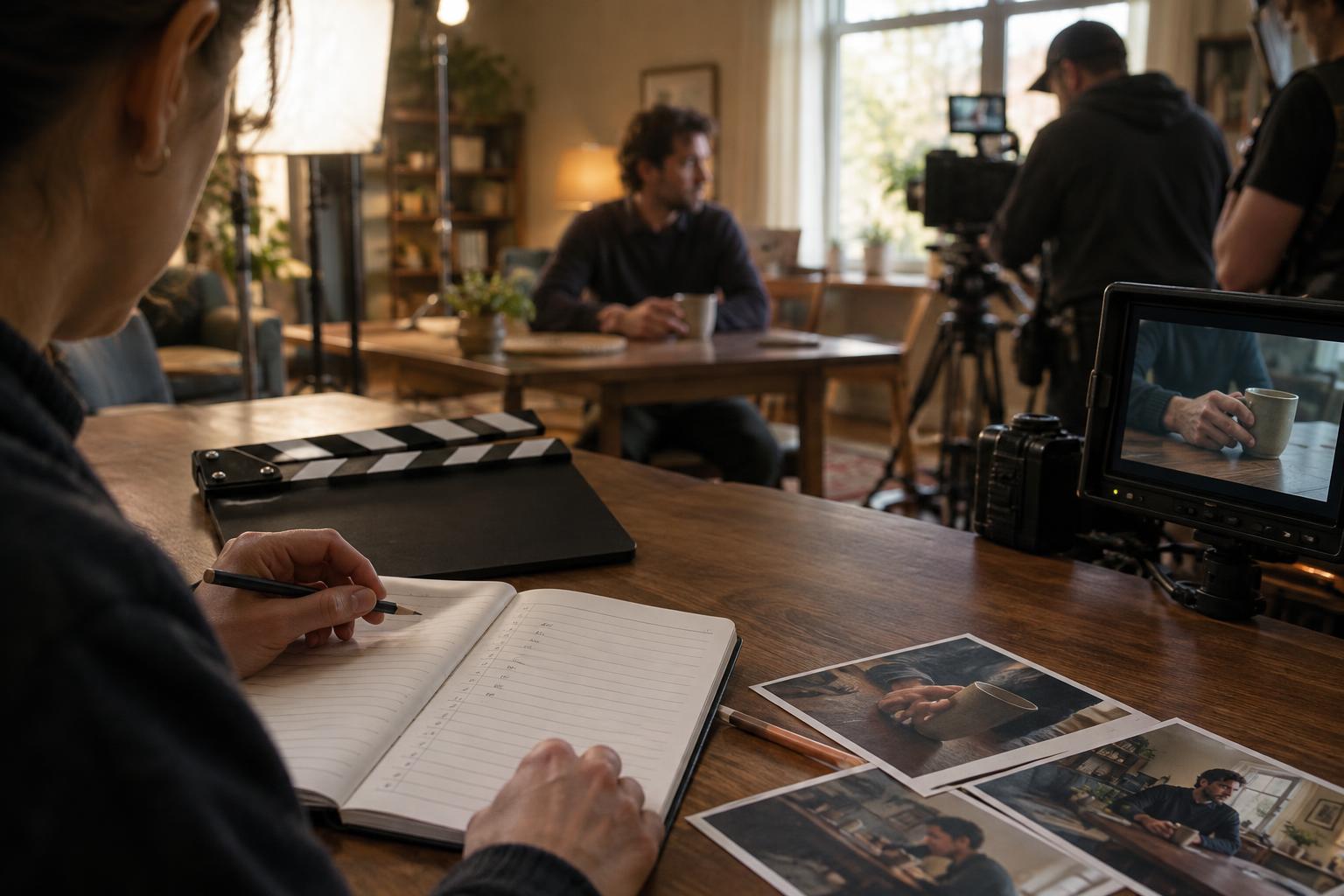
Read the draft schedule from the perspective of each department. Does wardrobe know when a character’s appearance changes? Are props needed in two places at once? Can sound prepare for a noisy location? Is there enough time to move and reassemble equipment before the next scene? Check continuity, too: shooting out of story order makes notes and reference images especially helpful when a prop, costume, or performance detail must match.
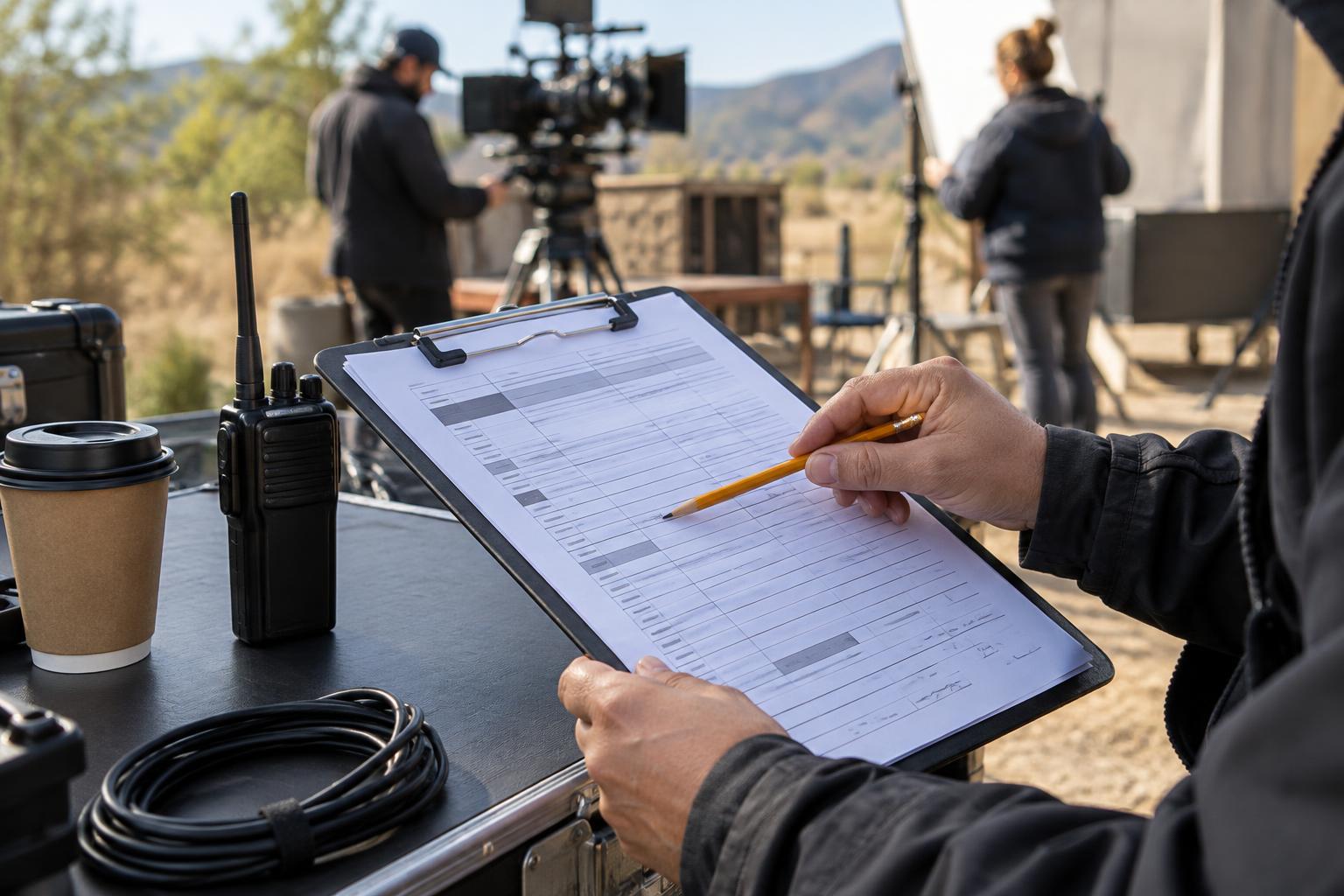
Finally, turn each day into a concise plan that states the location, scenes, cast needed, major setup changes, and intended order of work. Share revisions clearly rather than relying on an old copy of the schedule. The goal is not a perfect prediction. It is a shared map that helps a small team spend its limited time on the scenes that matter most.