Think in roles, not fixtures
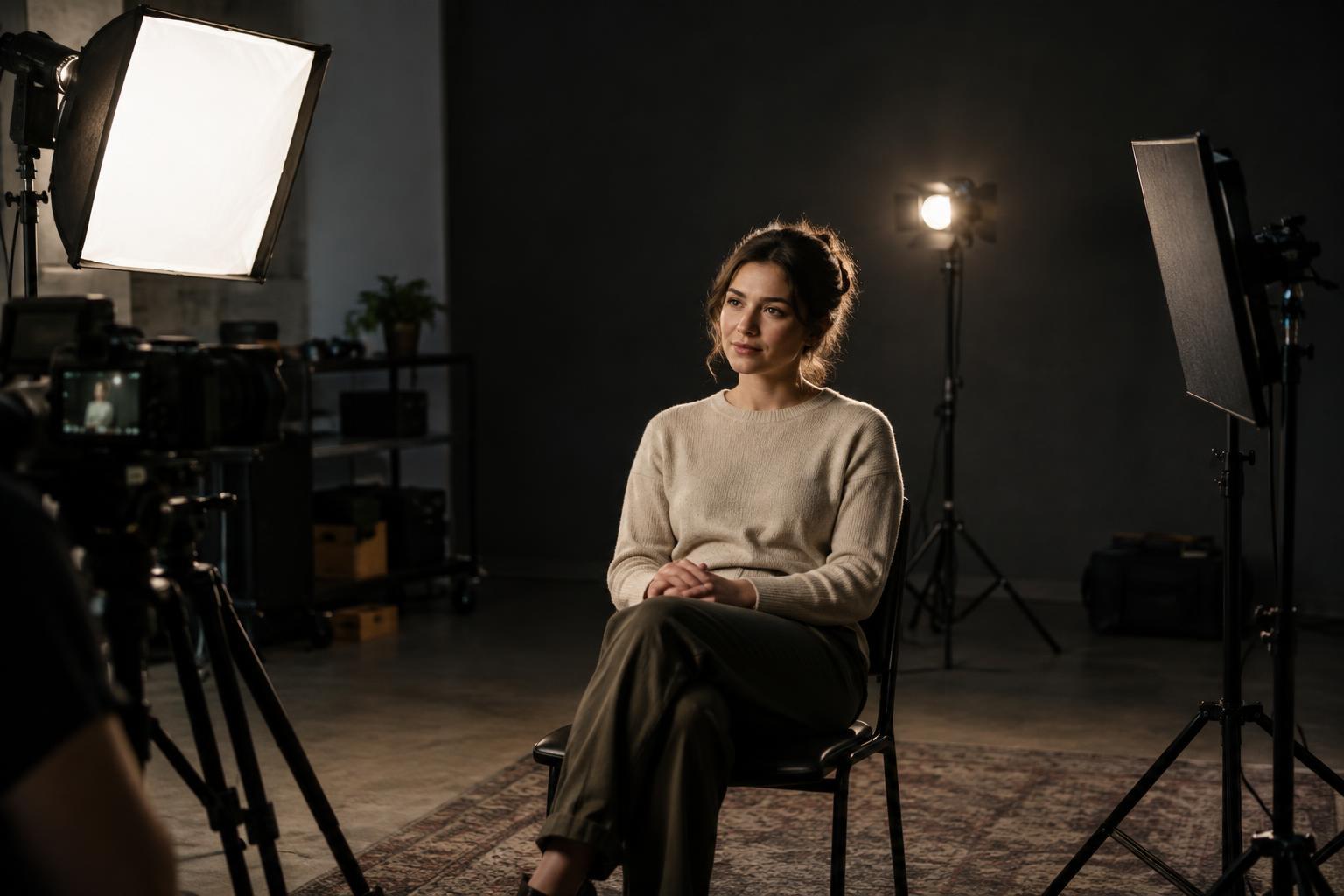
Three-point lighting describes three jobs that light can do for a subject: establish the main direction of illumination, control the shadows, and distinguish the subject from the background. Those jobs are commonly called key, fill, and backlight. The setup is useful because it gives you separate controls over shape, contrast, and separation. It is not a requirement to put three lamps in every shot.
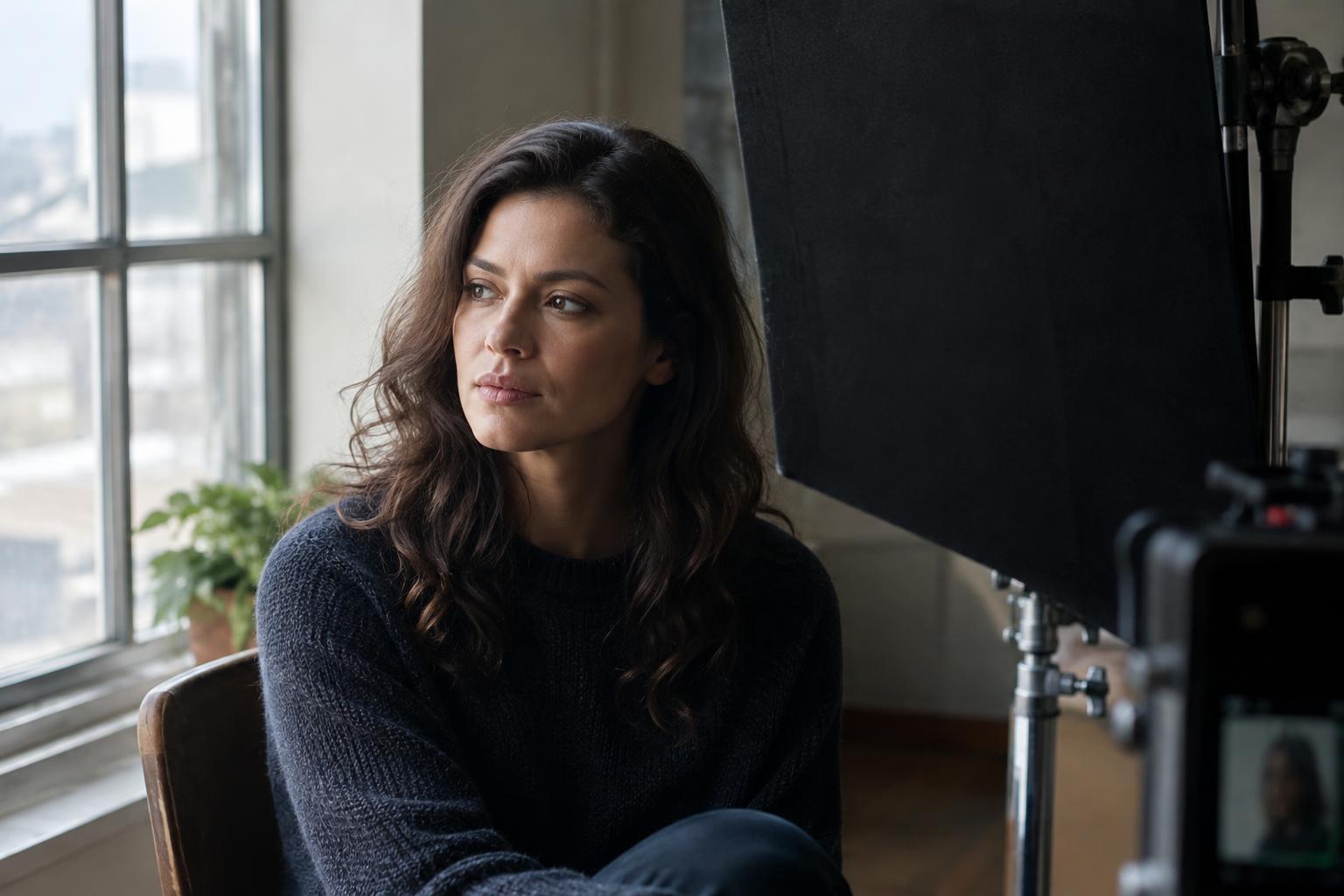
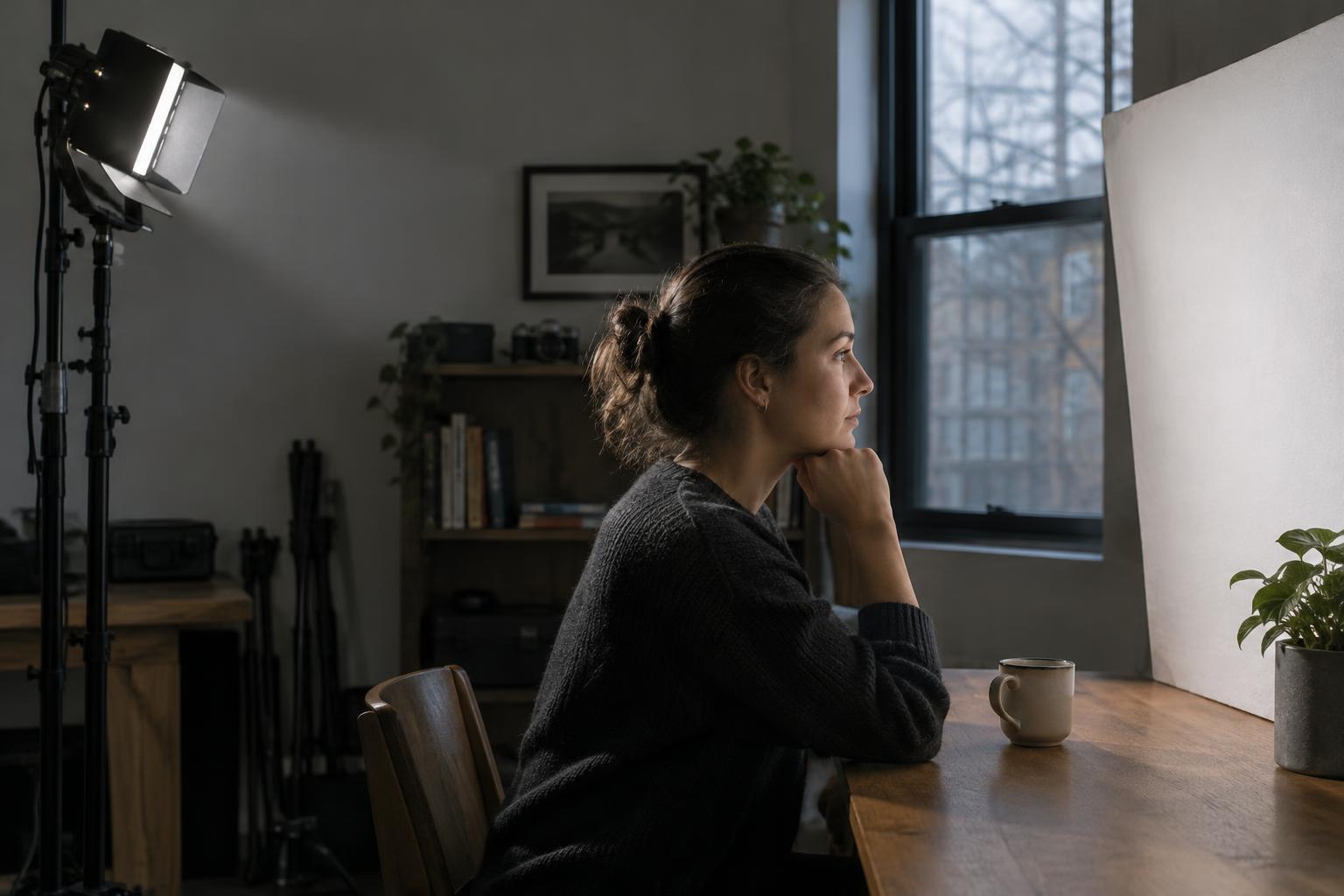
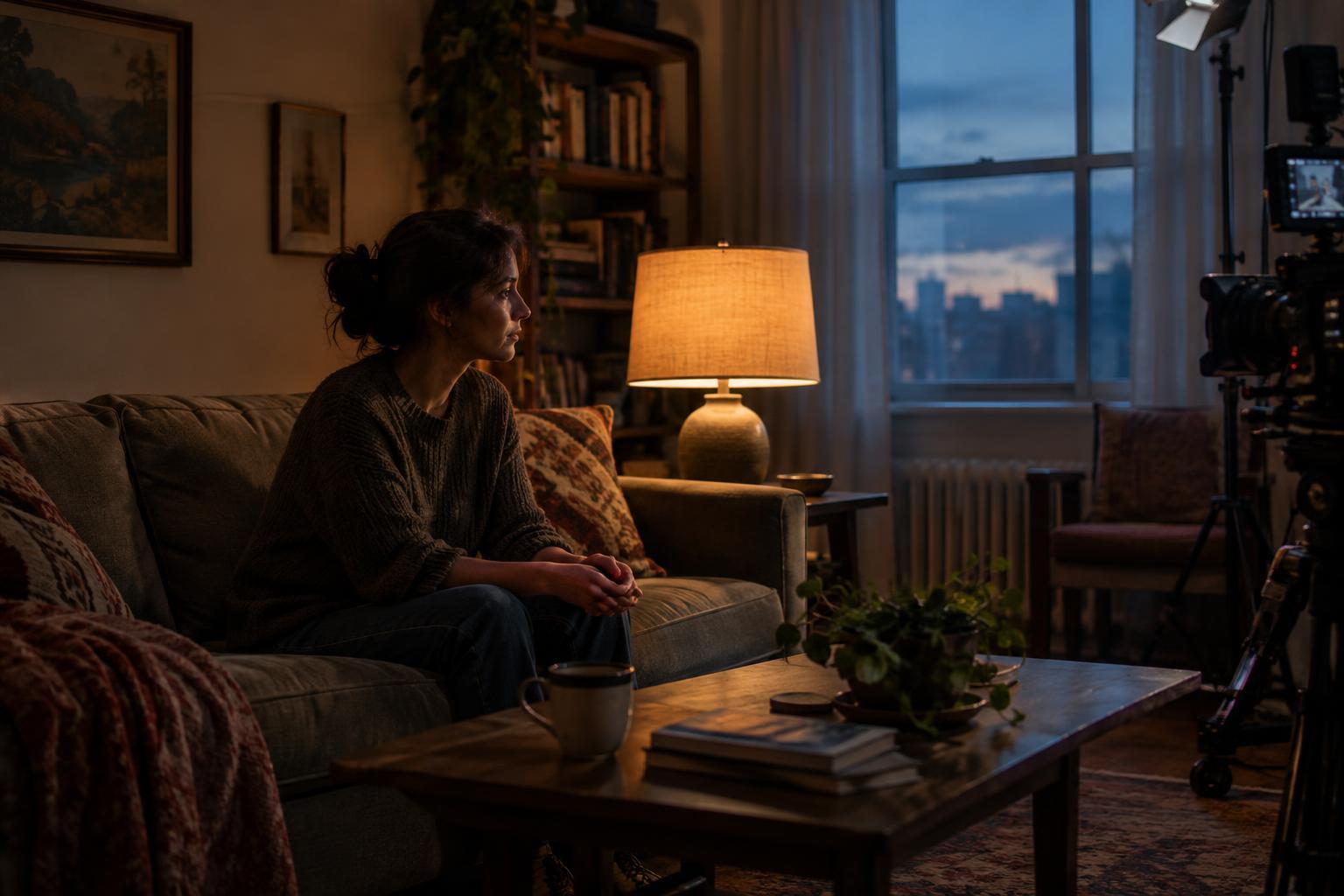
A window might serve as the key, a pale wall might provide fill, and a practical lamp in the room might create a rim of light. You might also decide that a scene looks better without fill or backlight. Start by asking what the viewer needs to see and what the scene should feel like. Then give each available source a purpose.
Key light: establish shape and direction
The key is the dominant light on the subject. Its position determines which surfaces face the light and where the principal shadows fall. A key near the camera tends to flatten facial features because fewer shadows are visible. Moving it to one side reveals more shape. Raising it can place shadows beneath brows and noses; lowering it changes those shadows and can produce an intentionally unusual effect.
The size of the source relative to the subject also matters. A large, nearby source generally produces softer transitions between light and shadow, while a small or distant source produces more defined edges. For a simple portrait, try placing a diffused key to one side and slightly above eye level. Look at the face before adding anything else: can you read the expression, and do the shadows suit the character and setting?
The key need not be the brightest object in the frame. A visible lamp or bright window may draw the eye, while a quieter source does most of the work on the actor. What makes a light the key is its role in shaping the subject.
Fill light: decide how much shadow to keep
Fill controls the darkness of areas the key does not reach directly. It usually comes from near the camera side or the side opposite the key, but it can be any light that lifts those shadows. A reflector, bounce card, wall, or existing room light can provide fill without adding another powered fixture.
More fill reveals detail and reduces contrast. Less fill preserves deeper shadows, which may help a scene feel private, tense, or dramatic. Neither choice is automatically more cinematic. Judge fill on the intended display and by the information the audience needs: if an expression disappears into darkness, a small adjustment may help; if the image feels flat, reducing fill may restore shape.
You can also use negative fill. Placing a dark surface beside the subject blocks or absorbs some bounced light, deepening the shadow side. This is especially useful in a bright room where light reflects from many directions and the face has little contrast.
Backlight: separate the subject from the background
A backlight comes from behind the subject, often slightly to one side, and can catch the edge of hair, shoulders, or clothing. That bright edge can help a dark subject stand out against a dark background. It may also suggest a source within the scene, such as daylight from a doorway or a lamp farther down a room.
Backlight needs restraint. If it is too strong or pointed toward the lens, it may create distracting highlights or flare. If it spills across the nose or cheek, it can become another prominent light on the face. Adjust its angle, height, or intensity until it supports the shot rather than calling attention to the setup. When the subject already separates clearly through color, movement, or background brightness, you may not need it at all.
Build the shot one decision at a time
To practice, frame a person against a background and turn off or block as many competing sources as you can. Add the key first. Move it until the direction and shadow pattern fit the scene. Next, decide whether to lift the shadows with fill, leave them alone, or deepen them with negative fill. Finally, check whether a backlight improves separation. Compare the image with that light on and off rather than assuming it belongs.
After each change, watch the whole frame, not only the face. Light can reveal unwanted background clutter, cast a shadow across a wall, or make one shot difficult to match with the next. Three-point lighting is most valuable as a method for diagnosing those choices: key shapes, fill sets shadow detail, and backlight adds separation when the story needs it.