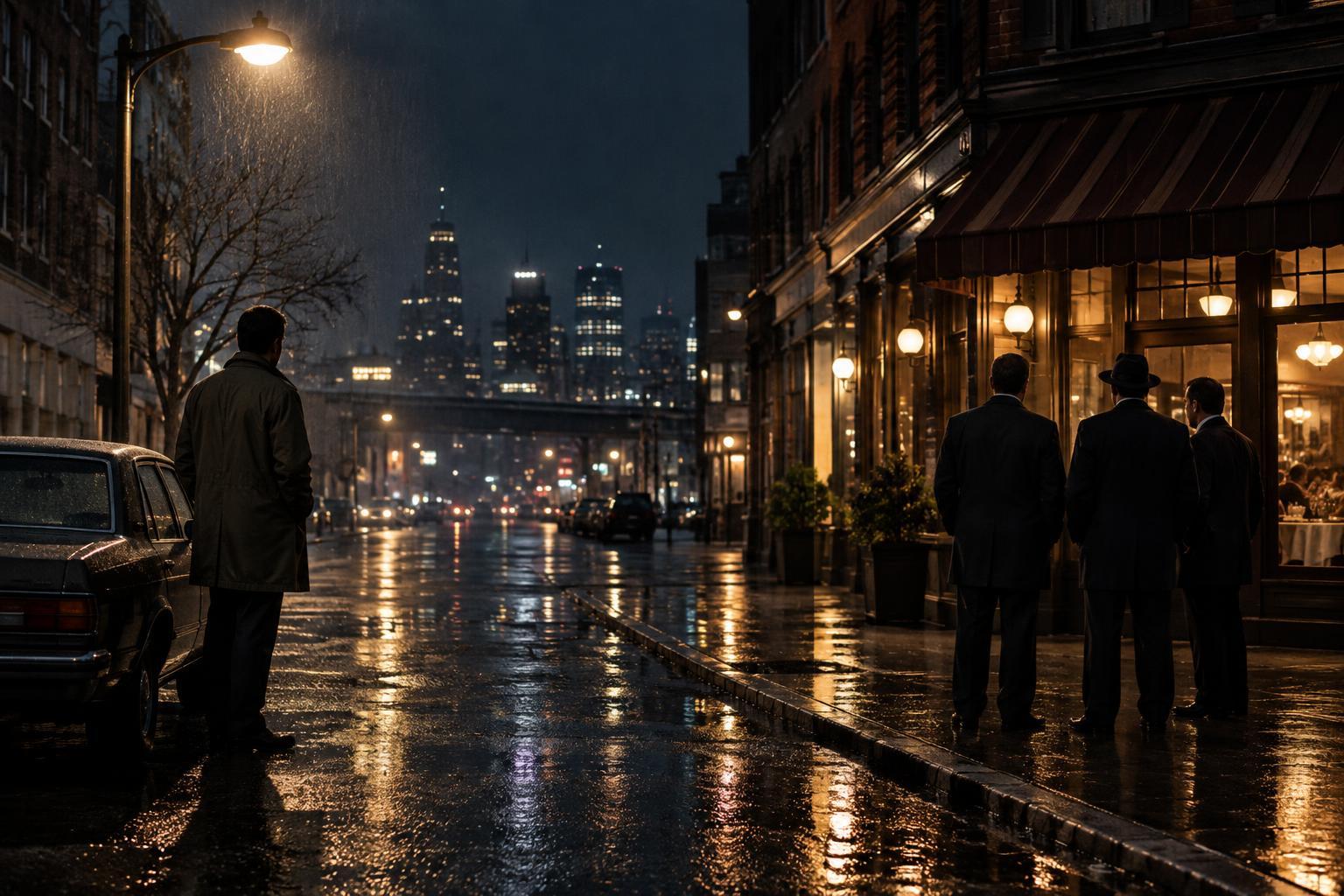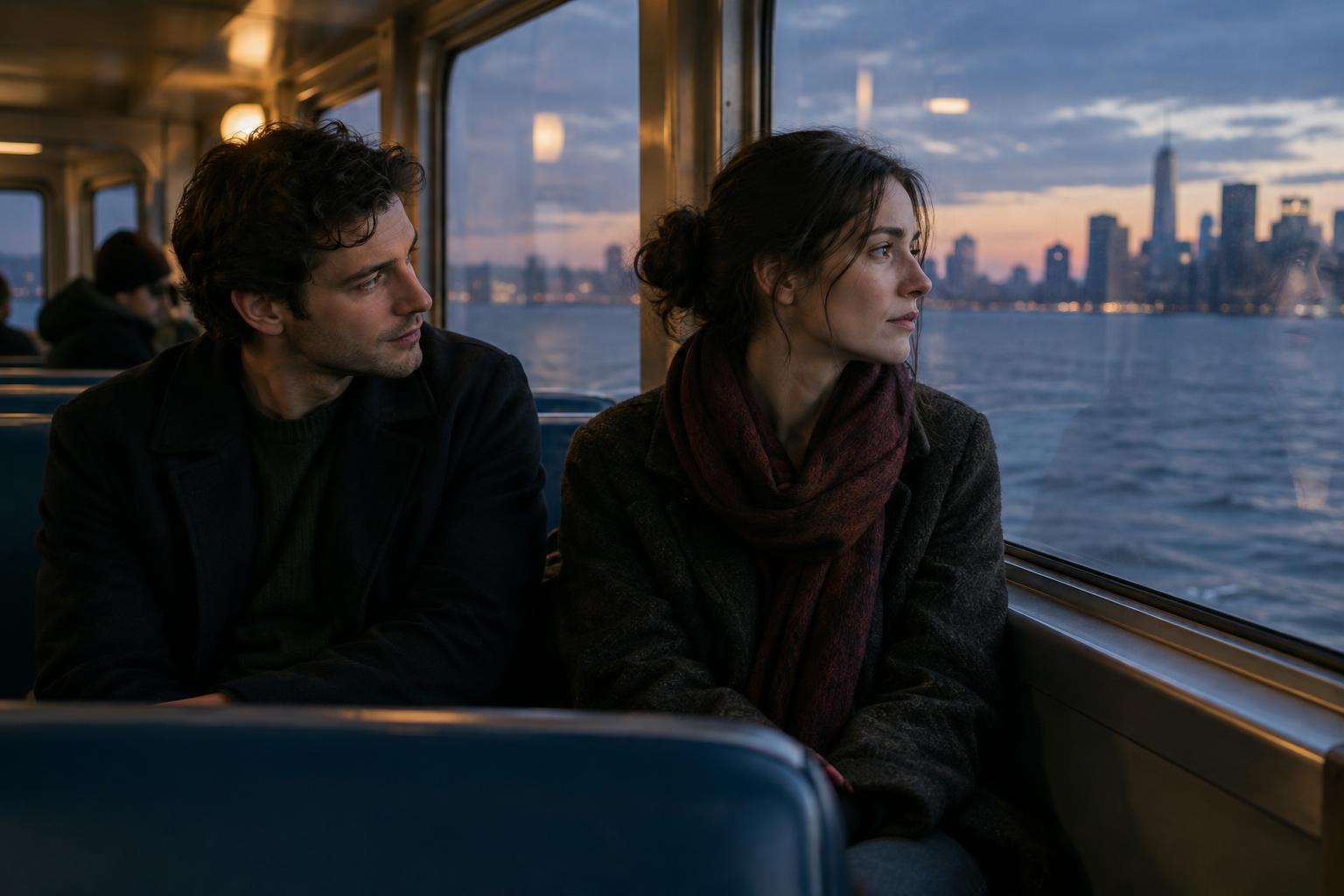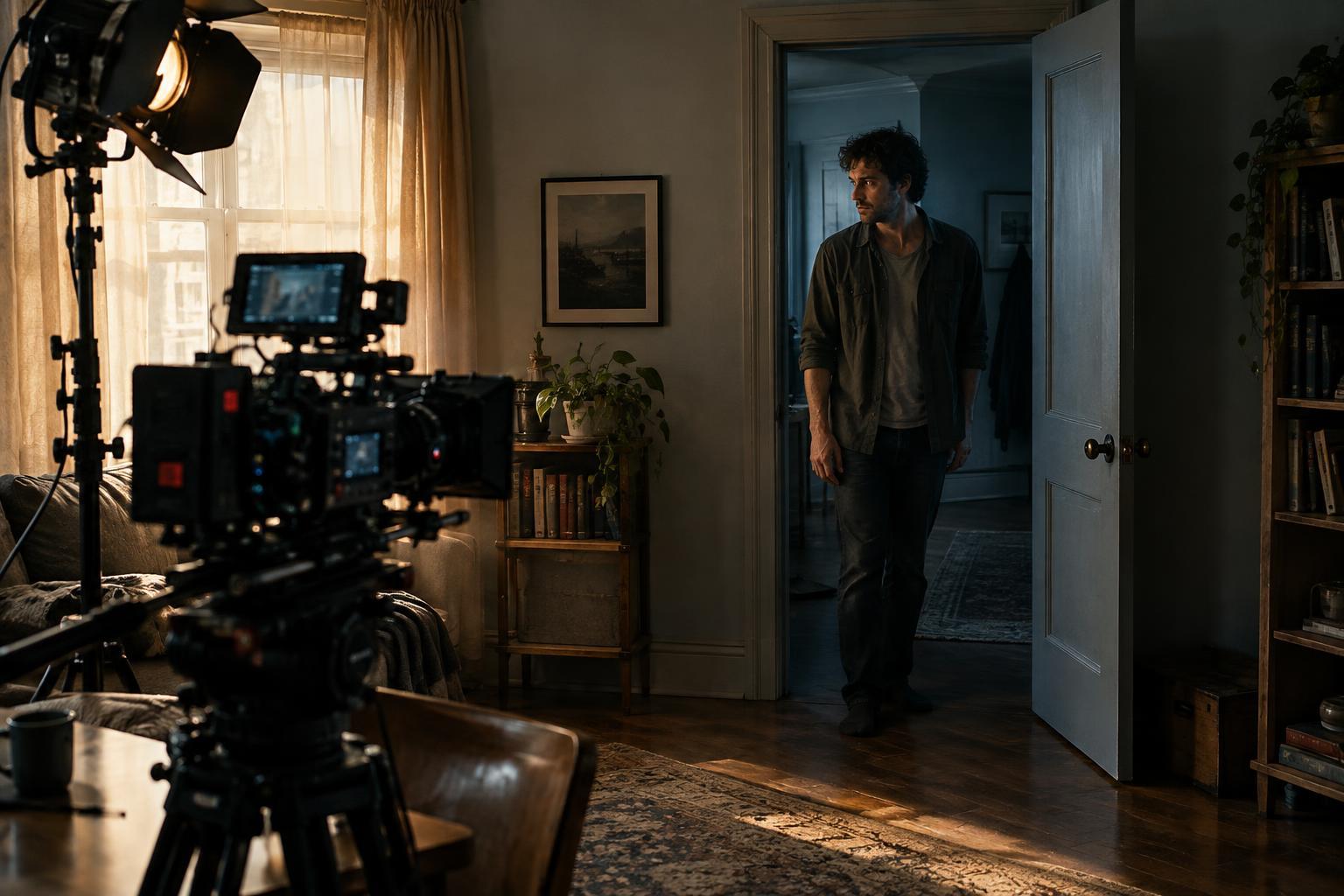
Three questions, three different answers
A film can be described as a horror story, unsettling, and shot in warm, steady close-ups. Those descriptions are not competing labels. They point to genre, tone, and visual style, respectively. Separating them helps viewers explain what they experienced and helps filmmakers decide what each creative choice is meant to do.
Genre asks what kind of story the audience is being invited to follow. Tone asks how the film treats its characters and events. Visual style asks what the film looks like and how images direct attention. None of these exists in isolation, but they are not interchangeable. A gloomy image does not automatically make a story a horror film, and a comedy does not have to look bright.
Genre is a promise about the story
Genre gives an audience a useful set of expectations about conflict, stakes, and possible pleasures. A mystery invites questions and the search for answers. A romance places a developing relationship near the center of the drama. Horror often builds around threat, vulnerability, or dread. These are flexible patterns, not rigid checklists: a film can combine genres or resist an expected ending while still drawing on a recognizable framework.
When identifying genre, look beyond costumes and color palettes. Ask what problem drives the plot and what the audience is waiting to see resolved. A character trapped overnight in an empty office might be trying to escape an unseen threat, uncover a theft, or make an important personal decision. The same setting could support horror, mystery, or drama depending on the central conflict and how the story develops it.
Tone is the attitude toward what happens
Tone describes the emotional stance a film takes toward its material. A story may be playful, earnest, detached, tender, bleak, or a shifting mixture. Dialogue, performance, pacing, music, and the timing of a reaction all contribute. In a scene where someone discovers a locked door, a long silence might invite anxiety; an awkward exchange might make the moment comic; a quiet, familiar response might make it sad.
Genre does not dictate tone. A mystery can be lighthearted, and a comedy can have a bitter edge. Tone may also change within a film, but shifts work best when viewers can understand why they happen. If a frightening scene suddenly turns into a joke, the effect might offer relief or undermine the threat. Neither outcome is inherently wrong; the question is whether it serves the experience the film has been building.
Visual style is the language of the image
Visual style covers choices such as framing, camera movement, lighting, color, production design, and the visual rhythm of cuts. These choices determine what is visible, what remains uncertain, and where the viewer looks. A wide, static shot can leave a character small within a space. A close, moving camera can hold attention on a face even when the surrounding room matters to the plot.
Style can reinforce genre and tone, but it can also create productive contrast. Clear, even lighting might make an unsettling event feel disturbingly ordinary. A lively color scheme might accompany a story with serious consequences. Instead of assigning one visual recipe to each genre, ask what a specific image needs to reveal or withhold. Consistency can help establish a visual language, while a deliberate departure from it can mark an important change.
Use the distinction to test a scene
Imagine a character returning to a childhood home and finding a stranger inside. First, define the genre question: is the scene beginning an investigation, introducing danger, or setting up a relationship? Next, choose a tonal approach. Does the encounter feel threatening, absurd, or unexpectedly gentle? Finally, consider the images: will the stranger remain at a distance, be shown in a straightforward two-shot, or appear only after the character notices something out of place?
This order is a planning tool, not a rule that images must come last. A striking visual idea can inspire a story. The value of the distinction is that it lets you examine each choice on its own terms. If a scene feels confused, ask whether the plot promises one experience, the performances suggest another, and the images suggest a third. They can disagree intentionally, but each should have a purpose. Genre shapes the audience’s expectations, tone shapes its emotional relationship to events, and visual style shapes what it sees along the way.