What ADR replaces
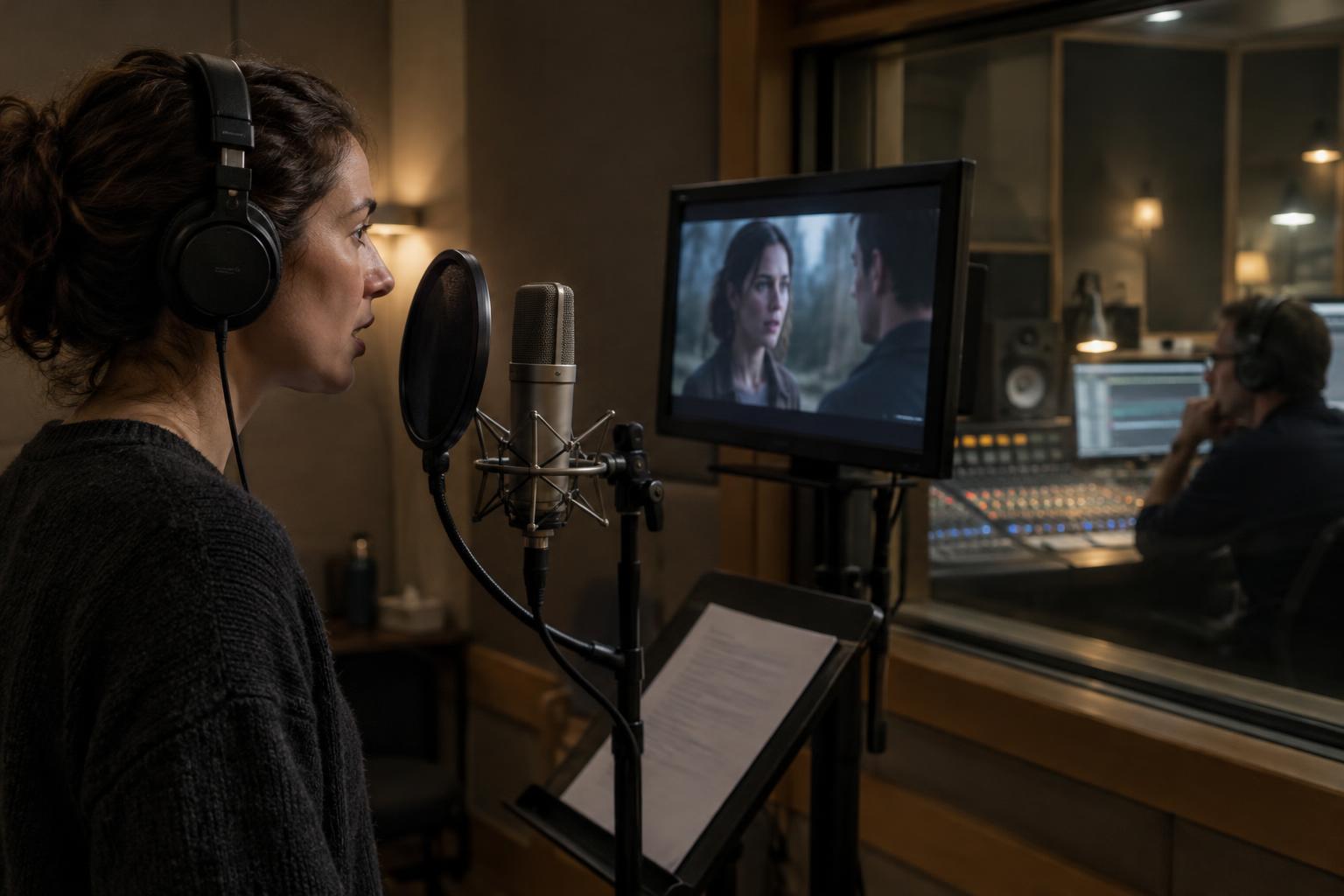
Automated dialogue replacement, usually called ADR, is dialogue recorded after filming to replace or supplement a line captured on set. The actor watches or listens to the scene and performs the line again, aiming to match its timing and dramatic intention. Although the name suggests an automatic process, the difficult part is human: recreating a performance that belongs to the moment on screen.
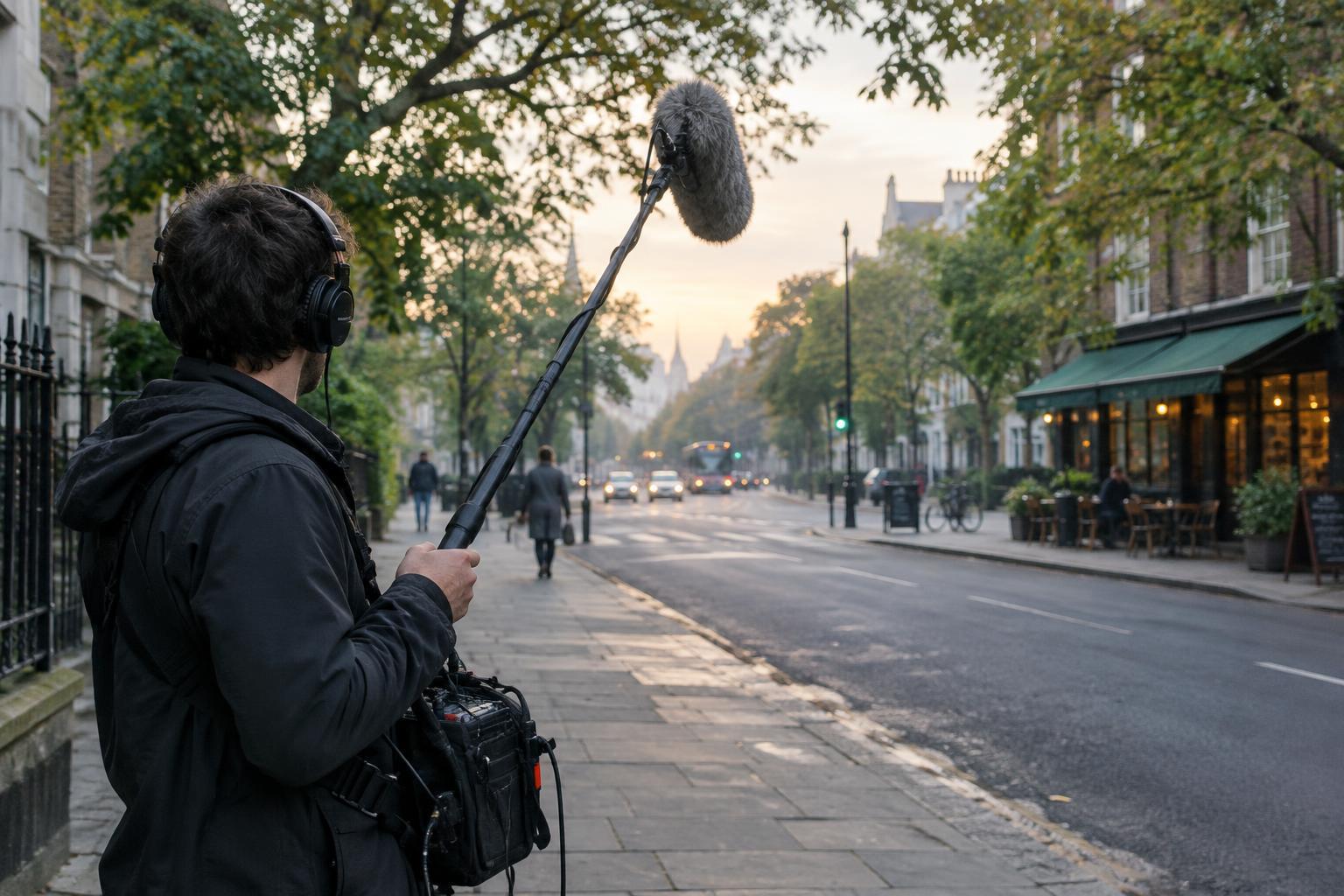
ADR can solve a specific sound problem. A passing vehicle may cover a crucial word, a microphone may miss a quiet reply, or a line may need to change for clarity. It is less useful as a blanket attempt to make every voice pristine. A scene’s original recording carries breaths, movement and the acoustic character of its location. Removing those qualities without replacing them thoughtfully can make the dialogue sound detached from the picture.
When a new recording can help
The strongest reason to try ADR is that the audience cannot understand something it needs to understand. If a line moves the story forward and noise or distortion obscures it, re-recording may be more effective than pushing the damaged audio louder. ADR can also help when an edit changes the meaning of a scene and a short replacement line makes the action clear. That choice still has to work with the visible performance.
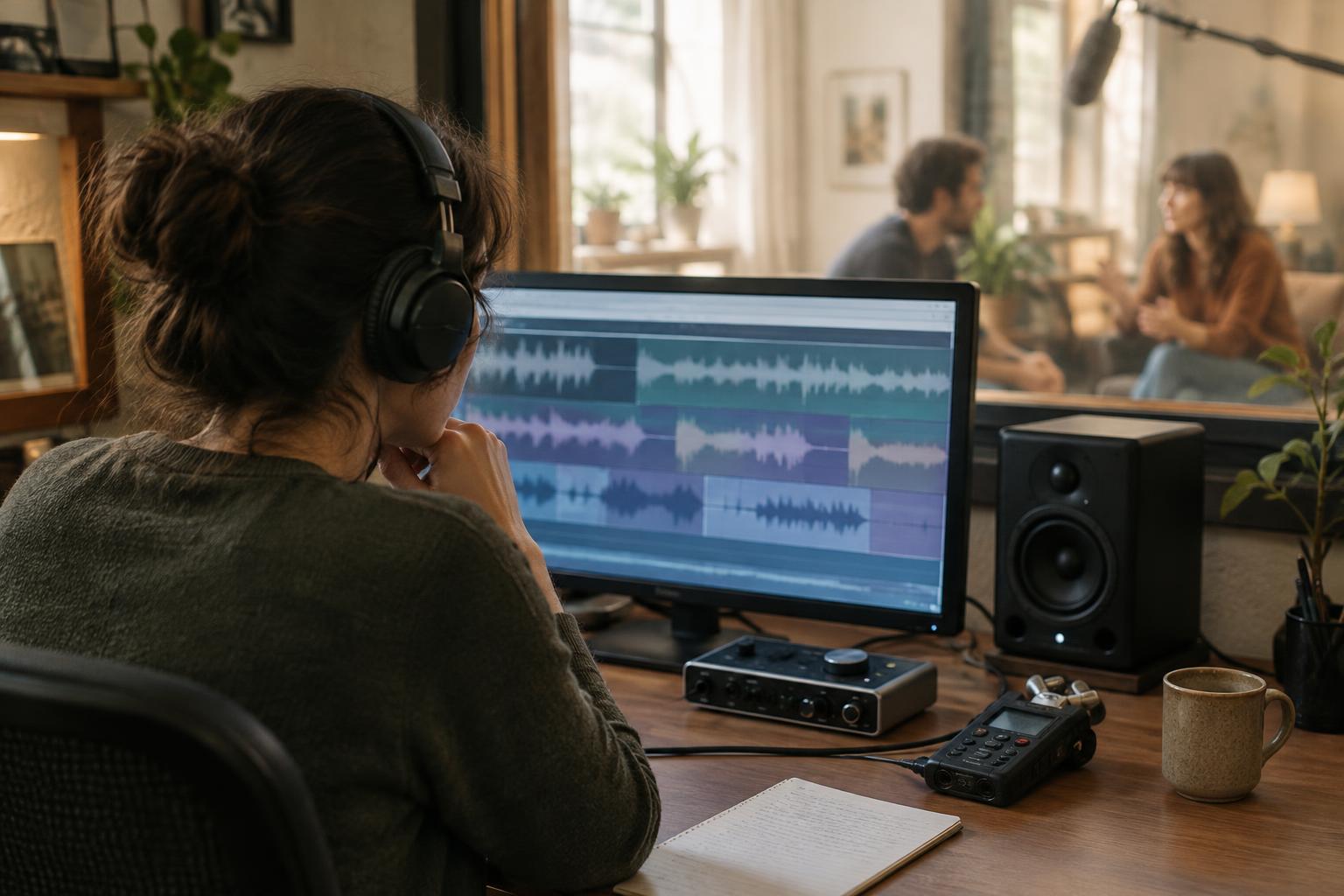
Before booking a recording session, listen to the production audio in the scene, not only in isolation. A faint syllable may become clear once the preceding line gives it context. Compare alternate takes and microphone tracks if they exist. Dialogue editing, careful level adjustments and modest noise reduction may preserve the original performance. If those options fail, identify the smallest passage that needs replacing rather than assuming the whole exchange must be redone.
When ADR may make the scene worse
A technically clean take can feel false if it loses the actor’s original urgency. This is especially noticeable during crying, shouting, physical effort or a hushed exchange where breath and timing carry much of the emotion. ADR also becomes harder when the speaker’s mouth is prominent in the frame. Even a convincing delivery can draw attention if consonants land visibly early or late.
A noisy location does not, by itself, justify replacing every line. Some background sound helps establish where the characters are. If only one voice suddenly becomes dry and close while the rest of the scene remains lively, the replacement may stand out more than the original flaw. Sometimes the better choice is to keep an imperfect but intelligible production take, reshape the edit, or place a necessary line over a shot where lip sync is less exposed. These are storytelling choices as much as sound choices.
Plan the session around performance and sync
For each line selected, prepare a short clip with enough lead-in for the actor to hear the rhythm of the exchange. Note the line’s purpose and what the character is reacting to. Recording several versions can help: one close to the on-set delivery, then alternatives that adjust pace or emphasis. Ask the performer to match the visible effort, including breaths where they matter, rather than concentrating only on the words.
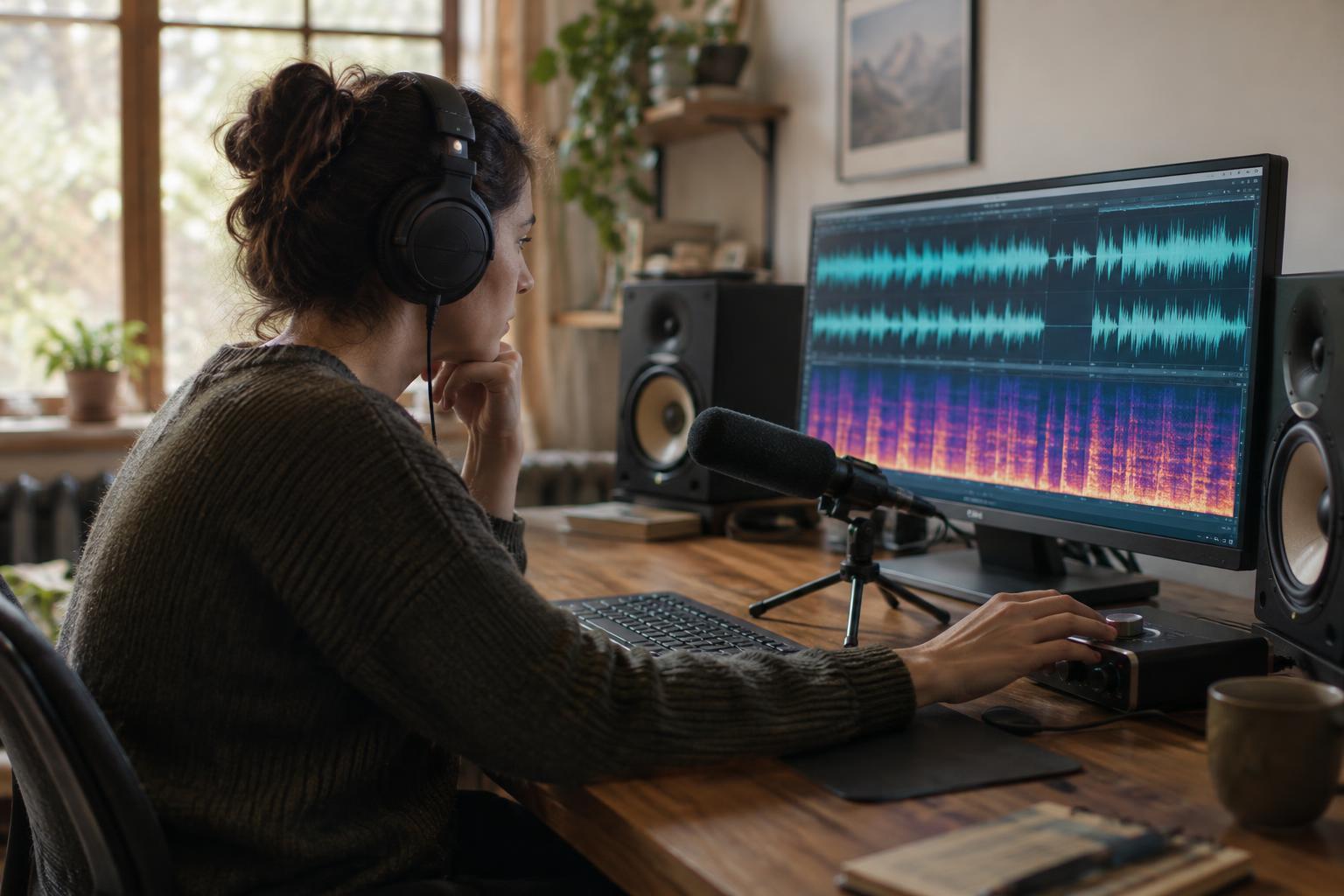
Use a quiet recording space and keep microphone placement consistent across the session. If possible, capture a little clean room tone there too, while remembering that the final track must evoke the filmed location, not the recording room. During editing, align phrases to the picture and listen for both audible rhythm and visible mouth movement. Small timing adjustments may help, but heavy manipulation can change the voice’s character. A performance that needs extensive repair may be worth recording again.
Make the replacement belong to the scene
Matching the line is only part of the job. Production dialogue has a particular distance, tonal balance and sense of space. An ADR line may need gentle equalization, level shaping and ambience that suit the shot. Background sound should continue naturally under the replacement, and transitions into and out of the original recording should not call attention to themselves. Listen on ordinary speakers as well as headphones; details that seem subtle in one setting may be obvious in another.
The final test is not whether the new recording sounds flawless on its own. Play the whole scene without watching the audio timeline. Can you follow the dialogue without being pulled out of the story? If the replacement solves a comprehension problem and keeps the performance believable, it has done its job. If it sounds cleaner but makes the moment less convincing, revisit the production track or try a different take.