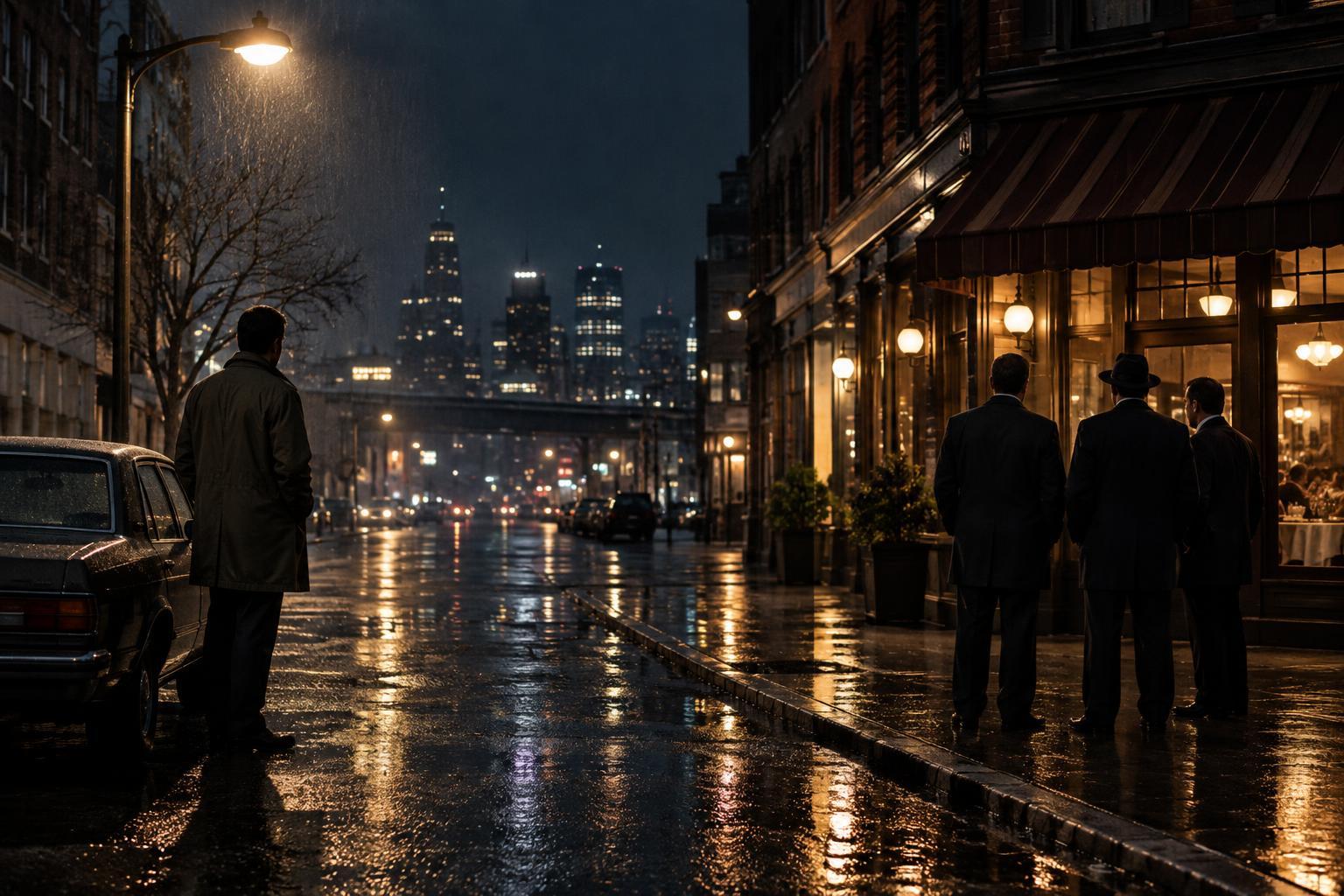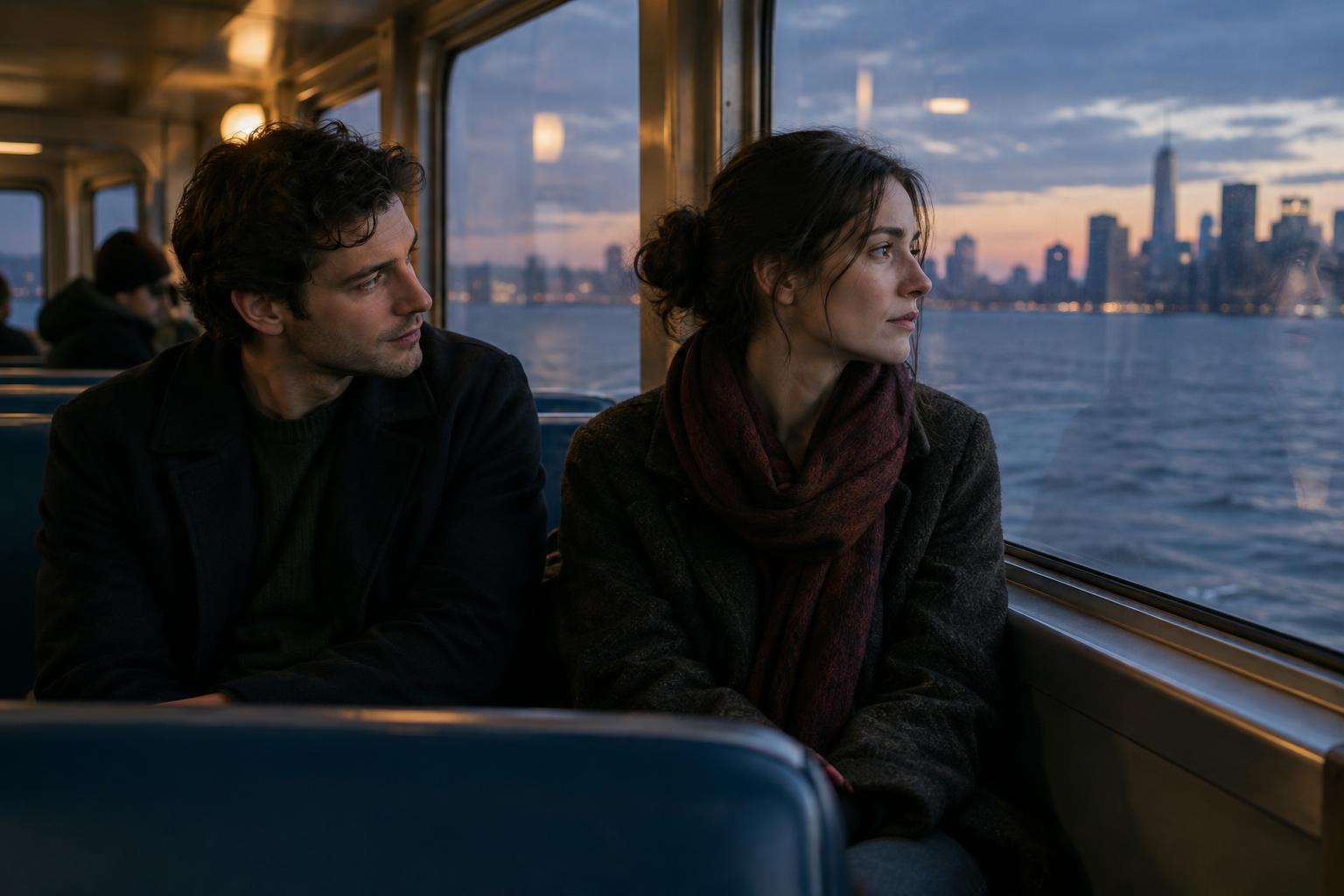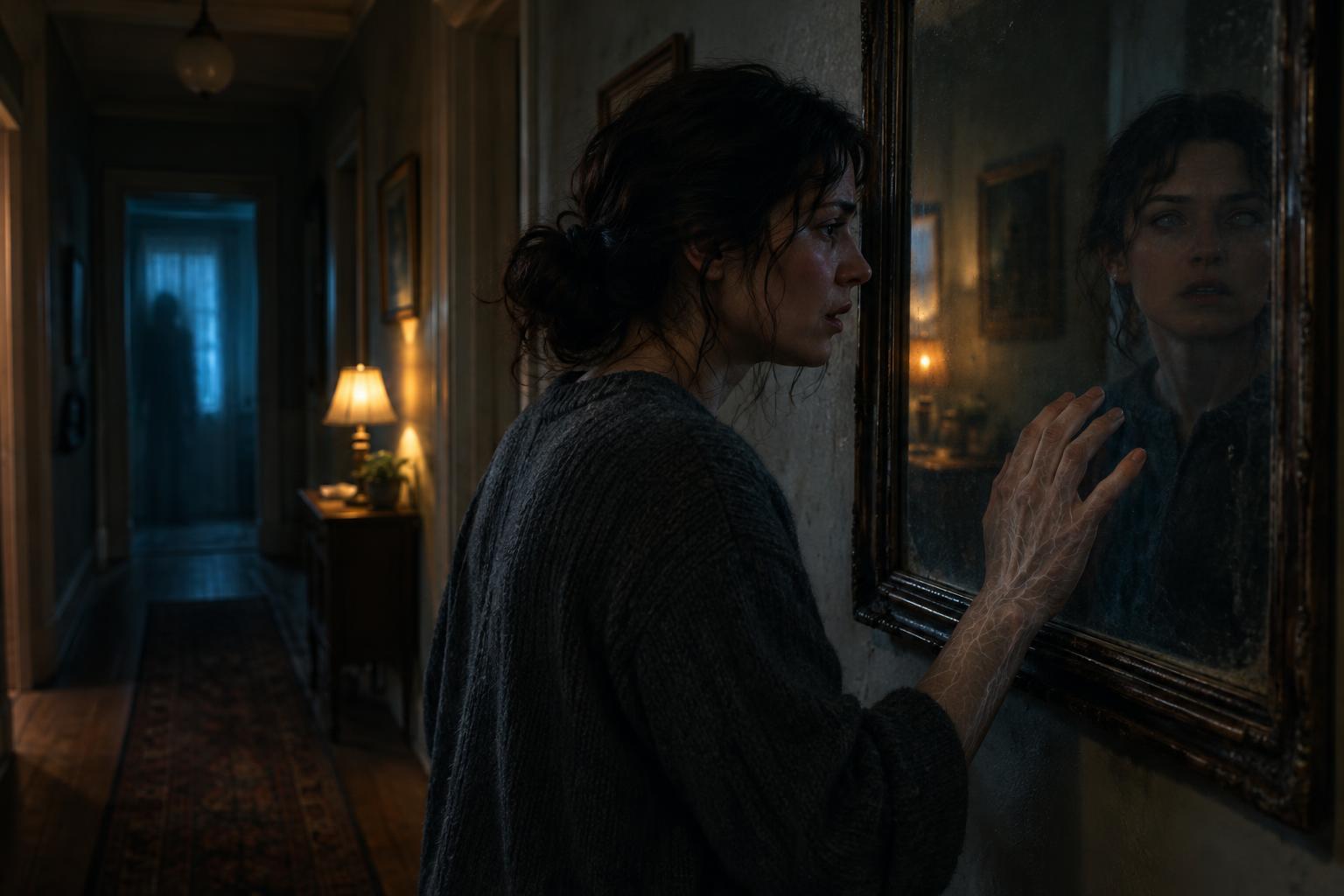
The difference begins with the source of fear
Horror subgenres are more useful as storytelling tools than as rigid labels. Supernatural horror asks what happens when forces outside ordinary understanding intrude on daily life. Psychological horror turns attention toward perception, belief, and the mind’s ability to mislead. Body horror makes physical change or vulnerability impossible to ignore. All three can use darkness, isolation, and suspense, but they give those elements different meanings.
Imagine a character who wakes to find a mark on their arm. In a supernatural story, it might be a sign of a haunting. In a psychological story, the character might question whether they made the mark and forgot. In body horror, the mark might spread or reveal that the body is changing. The initial image is the same; the direction of the fear is not. Asking what the audience most dreads about the mark is often a better way to identify the subgenre than counting familiar visual motifs.
Supernatural horror: an intrusion from beyond the familiar
Supernatural horror centers on an apparent break in the rules of the everyday world. Ghosts, curses, impossible spaces, and other uncanny forces can all serve this purpose. The threat need not be shown clearly. A door that opens only when nobody is watching may be enough to suggest that the characters no longer understand the place they inhabit.
Much of the tension comes from learning the rules of the intrusion. What triggers it? Can it cross a threshold? Does it respond to a person’s actions? Characters may test explanations, disagree about what they have seen, and discover that familiar protections do not work. Sound and framing can support that uncertainty: an unexplained noise beyond the edge of the image invites viewers to imagine something the camera withholds.
A supernatural story can still be about grief, guilt, or family conflict. Those emotions give the haunting personal weight, but they do not automatically make the story psychological horror. If the central dramatic question is how people confront a seemingly impossible external force, supernatural horror remains the clearest description.
Psychological horror: uncertainty within experience
Psychological horror draws fear from the gap between what a character experiences and what they can reliably know. A sound may have an ordinary cause, a frightening interpretation, or no explanation the story is ready to provide. The audience often shares the character’s limited viewpoint, noticing contradictions without having enough evidence to settle them.
This does not mean the protagonist must be delusional, or that the ending must reveal that everything was imagined. Psychological horror can also arise from manipulation, obsession, memory, shame, or a social environment that makes someone doubt their judgment. Its defining pressure is uncertainty about perception and interpretation. A seemingly harmless conversation can be frightening if one person recognizes a threat that nobody else acknowledges.
For filmmakers, the challenge is to make ambiguity meaningful rather than merely confusing. Repeated details can change significance as the story develops: an object appears in an unexpected room, or a familiar voice sounds slightly different. Careful point of view lets viewers understand why the character is alarmed even when they cannot confirm the danger. The fear lies in being unable to trust the tools used to decide what is real.
Body horror: the self becomes unfamiliar
Body horror focuses on physical transformation, invasion, or loss of bodily control. Its images may be graphic, but gore is not a requirement. A hand that no longer moves as its owner intends can be disturbing without visible injury. What matters is the unsettling possibility that the body, usually experienced as part of the self, has become strange or resistant.
This subgenre often makes an abstract worry concrete. Fear of change, exposure, dependency, or losing one’s identity can take a physical form. A character may hide an alteration from others, attempt to reverse it, or struggle to decide whether the change is harmful at all. Close framing, texture, movement, and restrained sound can direct attention to small bodily details before a larger transformation is revealed.
The categories can overlap. A curse might cause a bodily transformation, combining supernatural and body horror. A character unsure whether that transformation is real adds a psychological dimension. To understand what kind of horror drives a story, ask where its most persistent tension lives: in an outside force, in uncertainty about experience, or in the body itself. That answer helps both viewers describe the film and creators decide which moments deserve the greatest emphasis.