Decide What the Audience Needs to Hear
An important line can disappear even when the dialogue track looks loud on a meter. A rising score, a sharp effect, and a soft-spoken actor may all arrive at the same moment. The problem is not simply volume: several sounds are asking for attention at once. Start by watching the scene without adjusting anything. Note which words carry a plot turn, reveal a character’s intention, or set up an action the audience must understand.
Not every line needs the same treatment. Background conversation can remain part of the setting, while a brief warning may need to cut through a busy scene. Mark the essential phrases in your timeline and listen to the moments immediately before and after them. A line often becomes clearer when you create a little space around its entrance rather than pushing the whole dialogue track louder.
Build a Consistent Dialogue Foundation
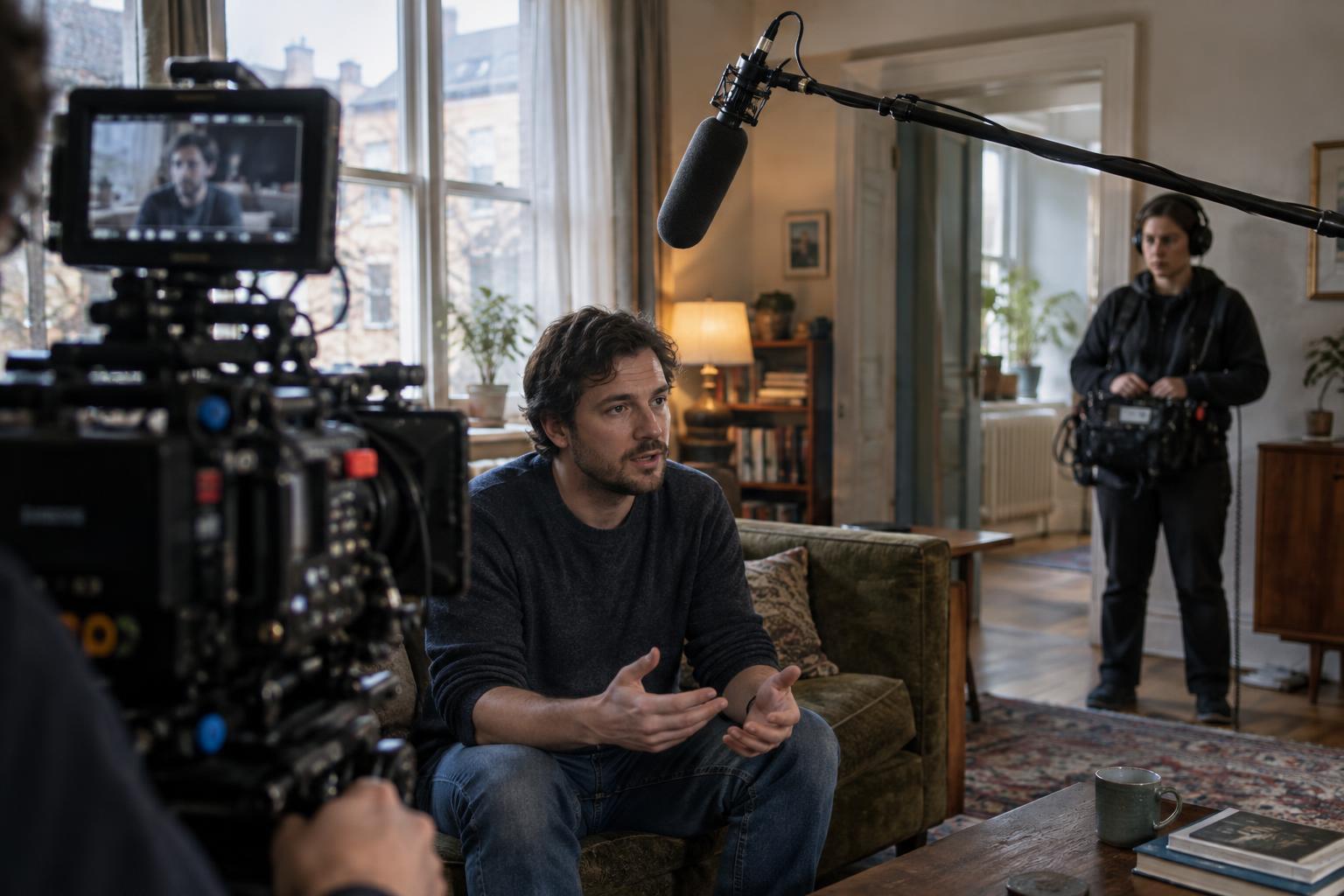
Before balancing music and effects, make the dialogue itself as even and intelligible as the recordings allow. Choose the cleanest usable take, trim distracting noises between phrases, and use room tone or a suitable ambience to keep edits from sounding abrupt. Gentle level adjustments can bring a quiet word forward without making the entire scene unnaturally loud. If noise reduction is needed, listen for damage to the voice as carefully as you listen for the noise being removed.
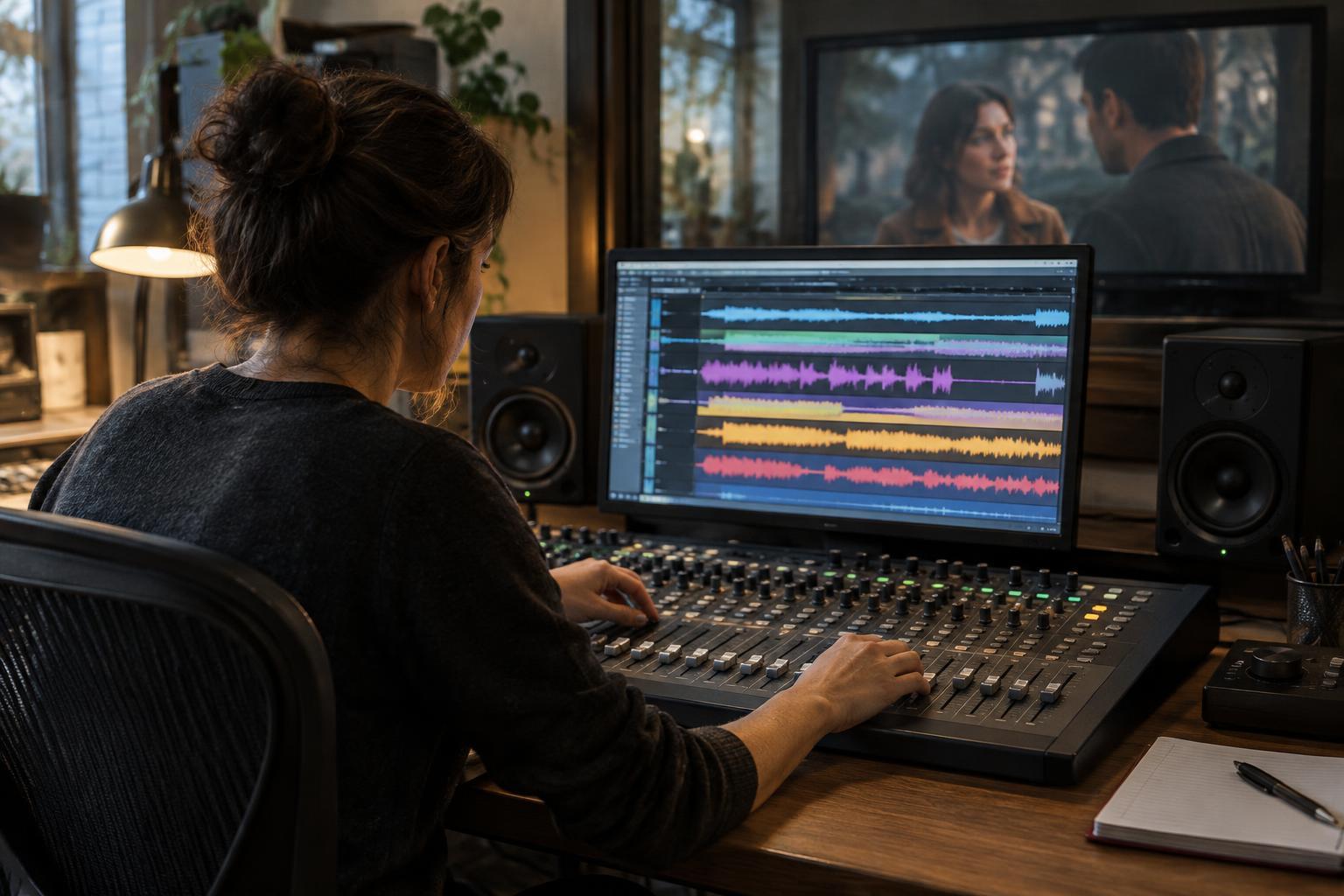
Automation is especially useful when an actor turns away, drops the end of a sentence, or moves through a space. Adjust the phrase or word that needs help, then listen through the full exchange for a natural flow. Broad processing can help control uneven peaks, but it should not replace these smaller decisions. If dialogue sounds strained or oddly thin after processing, back off and compare it with the original recording.
Make Room in the Music
Music can mask speech even when it seems to sit behind it. A sustained melody, a vocal element, or a dense instrument part may compete with the same details that make consonants understandable. First, ask whether the cue needs to play continuously. Delaying its entrance until after a key line, thinning its arrangement, or letting it fall away for a few seconds may serve the drama better than constant background music.
When the cue must stay, use level automation to lower it during important phrases and restore it gradually afterward. Aim for a movement that follows the scene, not an obvious dip on every word. Subtle equalization may also reduce competition between a particular instrument and the voice, but there is no universal setting that works for every cue. Judge the result by listening to the complete mix, not by examining one track in isolation.
Give Effects a Dramatic Place
Effects establish place and impact, but their timing matters as much as their level. A door slam that covers a character’s answer may be more effective a fraction later, after the audience has heard the line. If the timing cannot move, consider shortening the effect’s tail, reducing a competing layer, or emphasizing its attack while keeping the following noise out of the way. These choices preserve the action without forcing the dialogue to fight it.
Separate continuous ambience from featured effects when possible. Rain, traffic, machinery, and crowd beds can be shaped beneath speech, while a distinct sound can step forward at a story beat. Be cautious about removing too much background texture: an unnaturally empty pause may draw more attention than a modest amount of noise. The goal is a believable environment with a clear path through it for the words that matter.
Check the Mix as an Audience Member Would
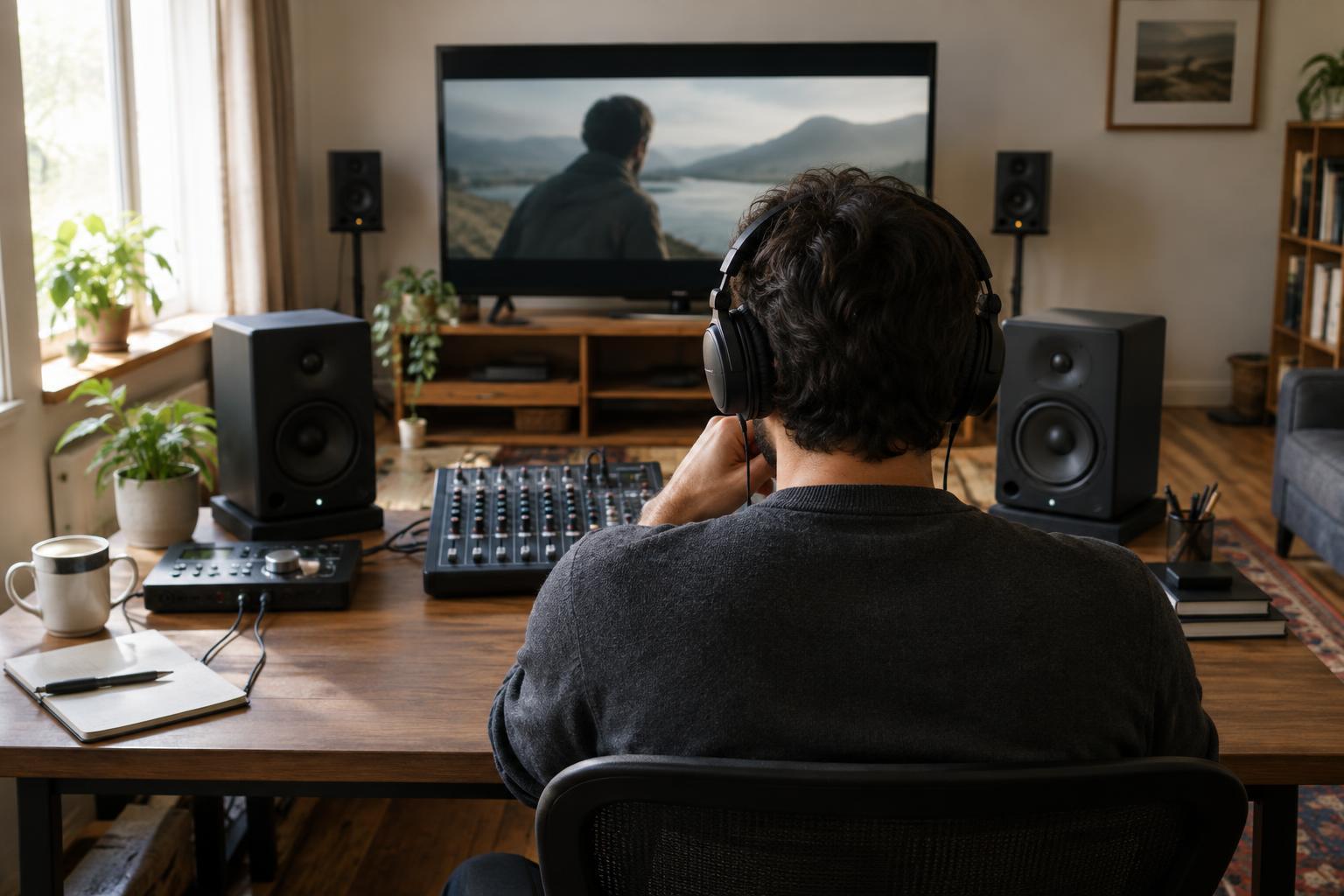
After making detailed adjustments, stop looking at the timeline and play the scene from the beginning. Can you understand the essential lines on a first listen, without already knowing the script? Notice whether turning up the playback level is the only way to follow the story. Also listen for music and effects that suddenly collapse whenever someone speaks; clarity should not come at the cost of distracting changes in the soundscape.
Check the mix at a comfortable level on more than one ordinary playback setup, such as headphones and small speakers, if available. A detail that sounds clear in a controlled workspace may be harder to catch elsewhere. If a line repeatedly gets lost, return to that moment and decide which element should yield. Treat dialogue clarity as a storytelling choice: the audience should feel the scene’s energy while still hearing the words that move it forward.