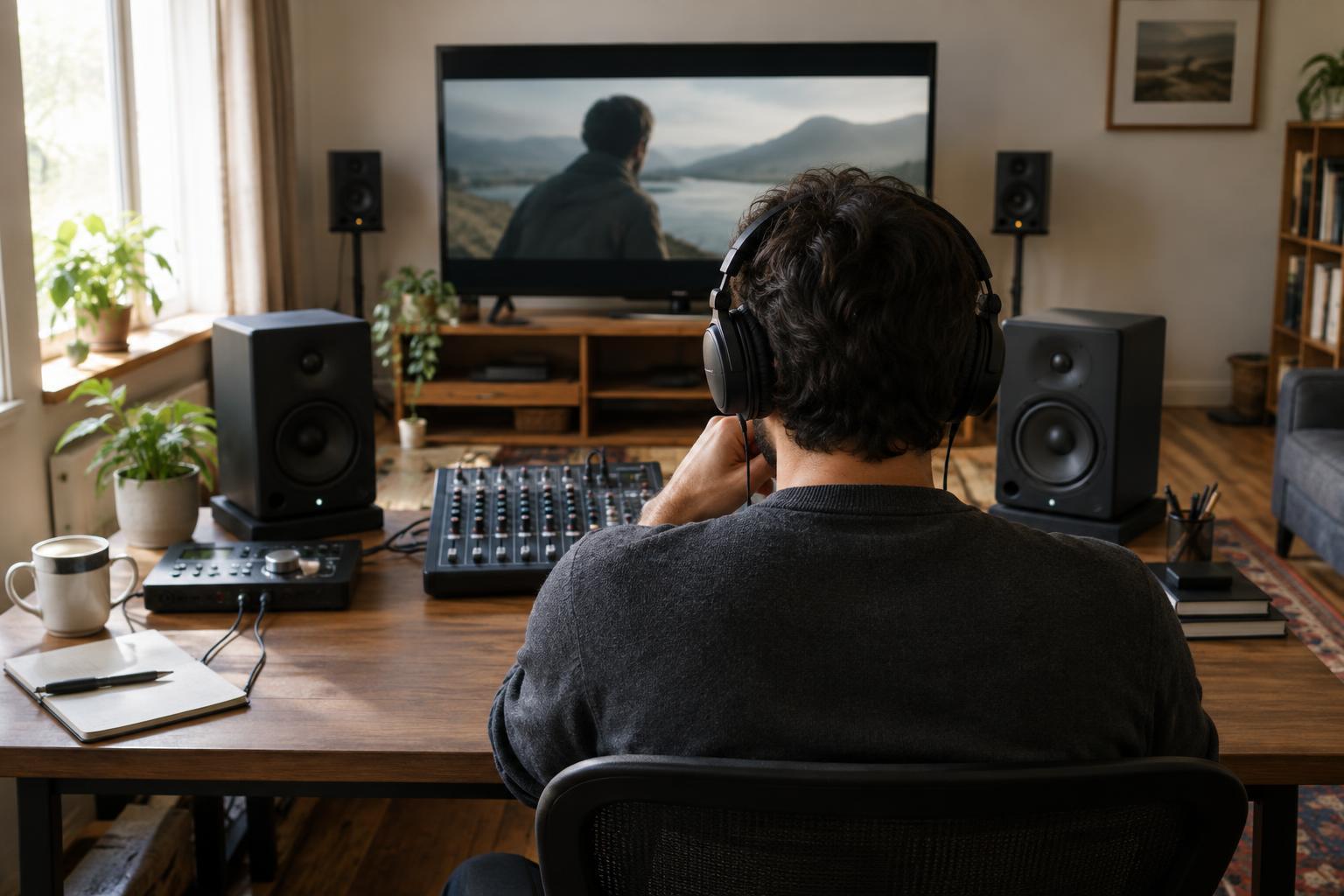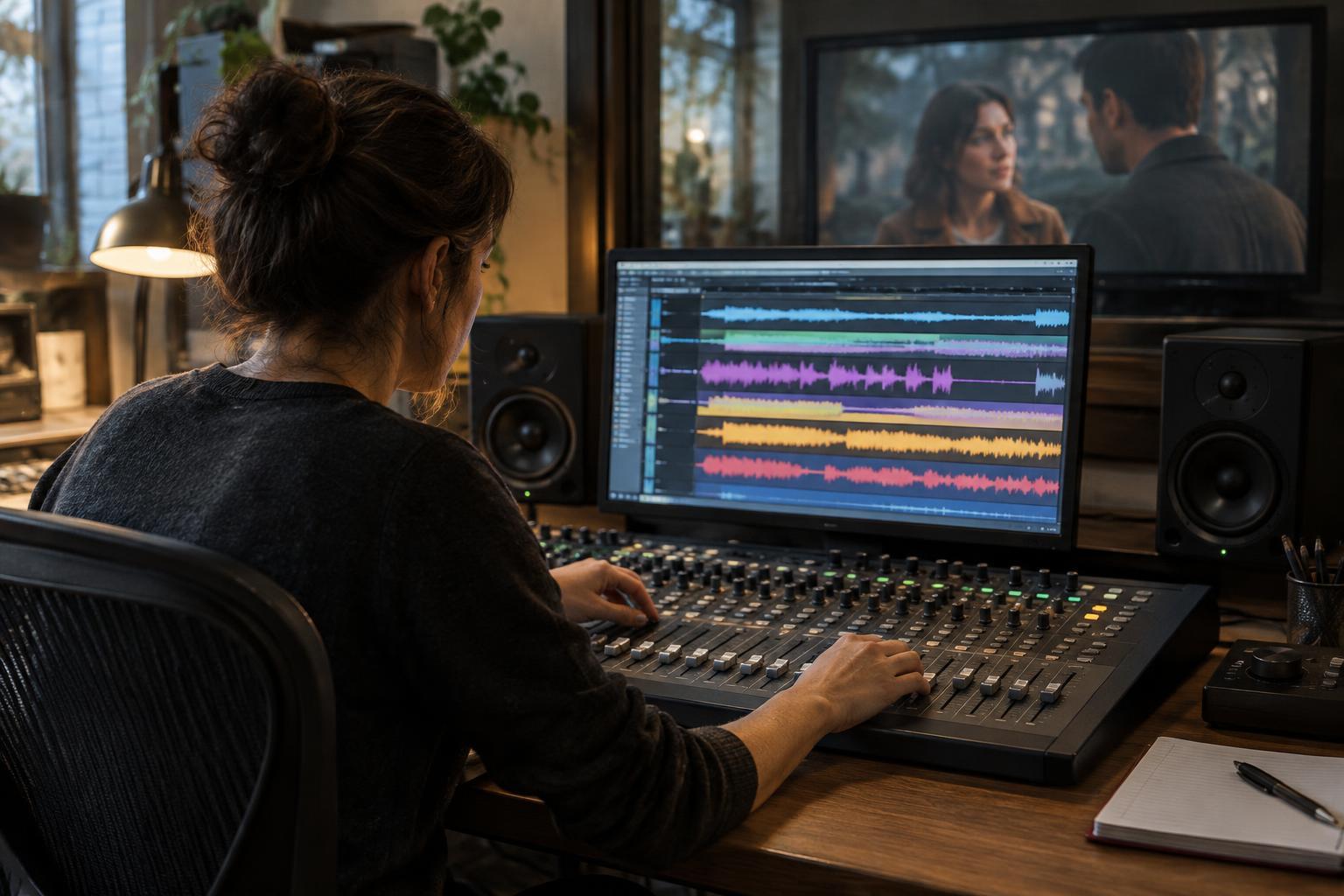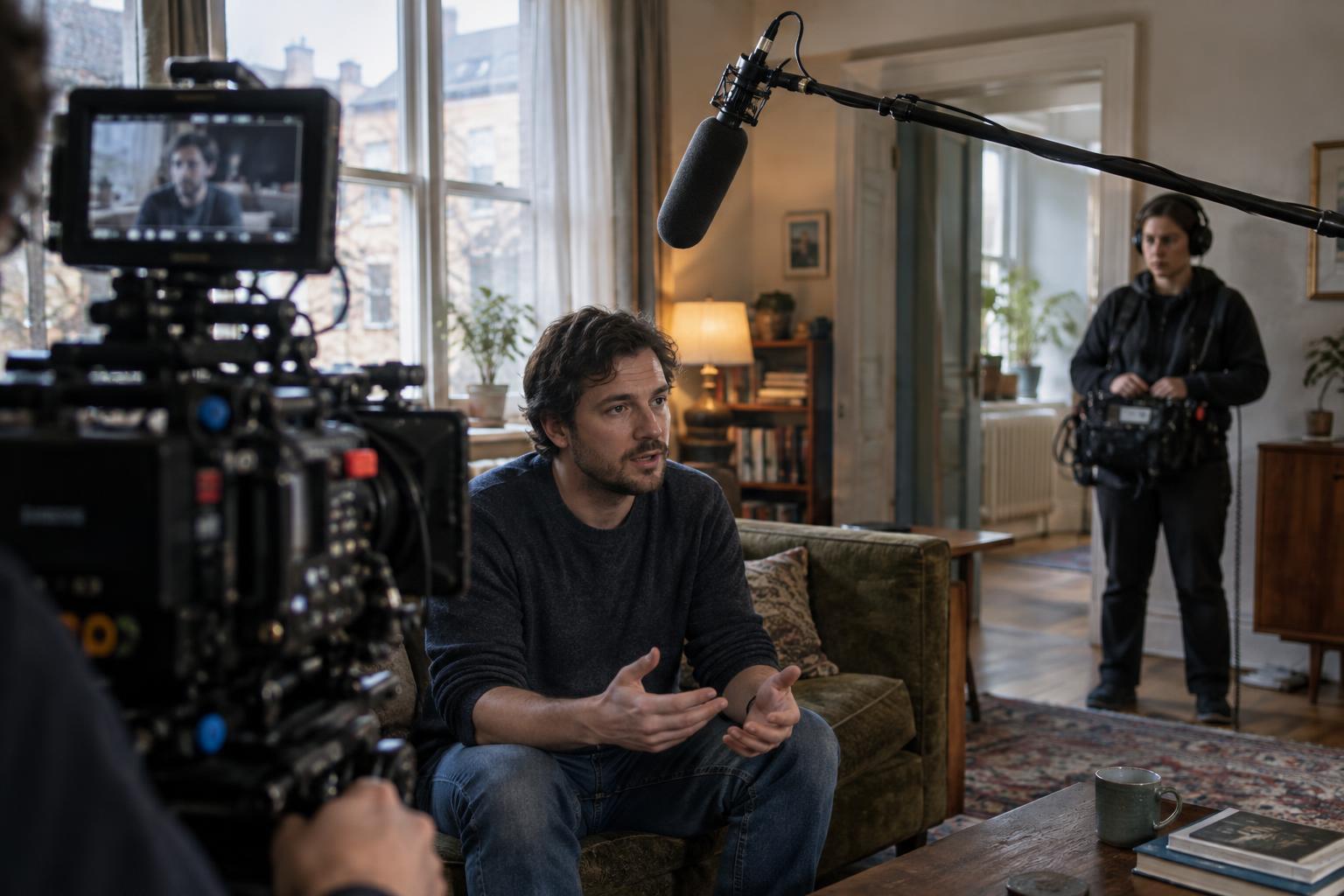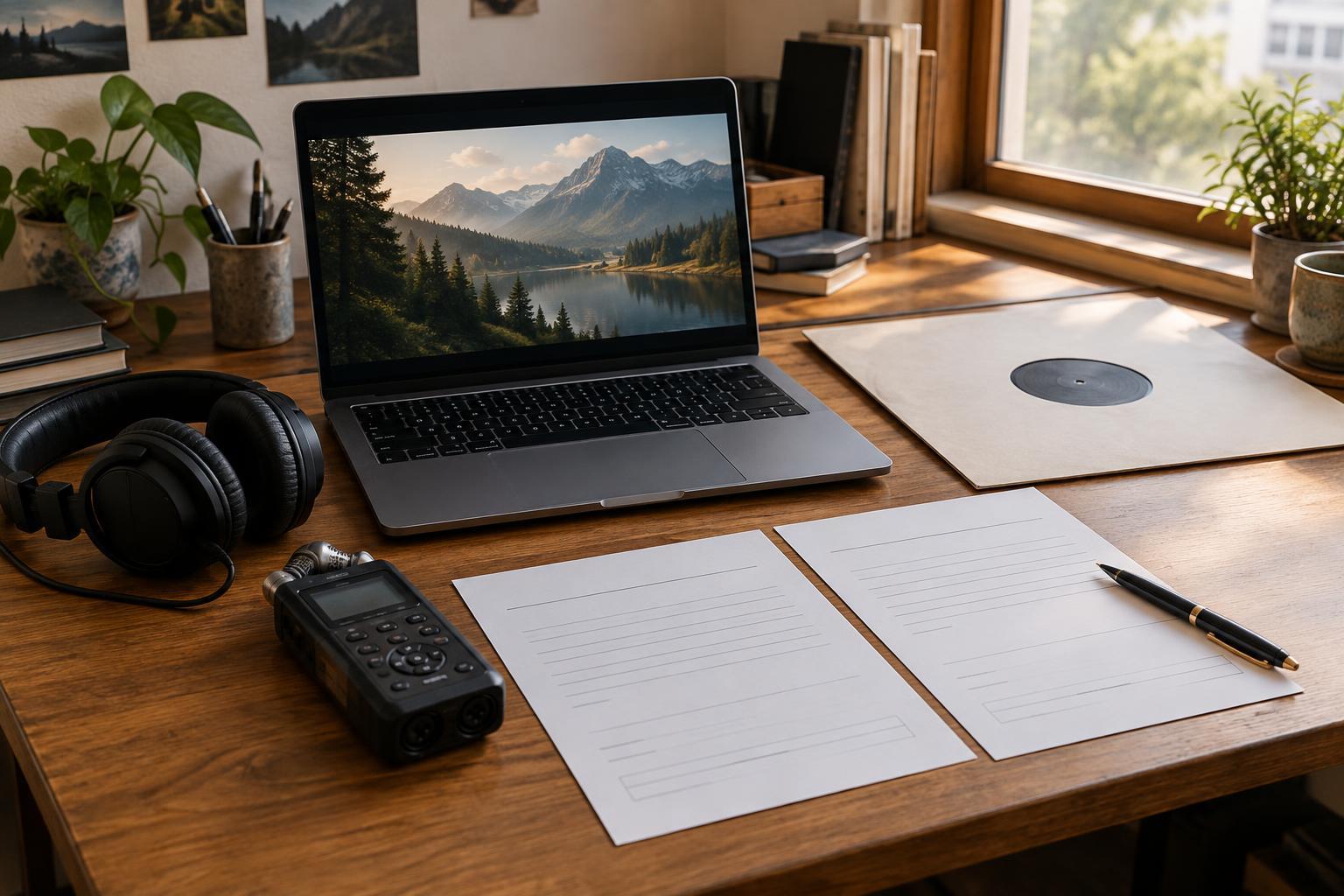
Start with the music you actually plan to use
A temporary track can help an editor find a scene’s rhythm, but it does not come with permission for a finished film. Before committing to music, note exactly what will be heard: an existing commercial recording, a new performance of an existing song, a library track, or music written for the project. The answer affects whom you need to contact and what you need in writing.
Think beyond the picture edit. Music might appear in a trailer, a social clip, a festival version, or a later online release. Permission that covers one use may not cover another. Clearing music early gives you room to compare costs, change tracks, or reshape a scene before the sound feels impossible to replace.
Understand the two layers of a recorded song
A song generally has a composition—the underlying melody and lyrics—and, if you use a particular recording, a master recording. Putting the composition in a film typically calls for synchronization permission from the appropriate rights holder or holders. Using an existing recording also calls for permission to use that master. These are separate questions, even when one company can help arrange both.
If you record your own version of a song, you are not using someone else’s master recording, but you still need to address the composition. The same care applies to a song performed on camera or heard faintly from a radio in a scene. How prominent the music is does not, by itself, make permission unnecessary.
Do not assume a performer is the only person who can approve a track. Writers, publishers, labels, artists, and other parties may control different interests. Ownership can be complicated, especially when a work has multiple writers or recordings. If a rights holder cannot be identified or a necessary approval cannot be obtained, treat the track as unresolved rather than assuming silence means consent.
Match the license to the film’s uses
A useful music license describes the track and the permitted use clearly. Check the duration of the licensed excerpt, whether changes or edits are allowed, and whether the permission covers use under dialogue, in the background, or in promotional material. It should also address the media, territories, and length of time you need. A festival screening, a public web upload, and distribution through a streaming service may be treated differently under a particular agreement.
Music heard alongside a film may involve additional performance or platform arrangements, but those do not automatically replace permission to put the music into the film. Likewise, giving credit is courteous when required, not a substitute for a license. When you receive terms, read the actual grant rather than relying on a track’s label as “free,” “royalty-free,” or “cleared.” Such descriptions can have conditions and limits.
Choose a workable route for the project
Production-music libraries can simplify the search because they often present licensing terms alongside the tracks. Compare those terms with your release plans, including trailers and social excerpts. Keep a copy of the license and any receipt or confirmation. A track available for a personal video may not be licensed for every film release or promotional use.
Commissioning a composer is another option, but paying for the music does not automatically answer every rights question. Put expectations in writing: who owns the composition and recording, what the film can do with them, whether the composer can reuse the music, and what happens if the film later reaches new platforms. If musicians contribute recordings, make sure their permissions are addressed too.
Older music needs care as well. A composition may be free of some restrictions while a particular recording of it remains protected. Terms such as “public domain” also depend on which work and which territory you mean. Unless you can verify the status of both the composition and the recording you intend to use, choose a track with clear, documented permission.
Build a simple clearance habit
Create a music list during the edit, not at the final export. For each cue, record its title, the version used, where it appears, who supplied it, and which permissions are still needed. Save emails, agreements, licenses, and any required attribution text in one place. If a distributor or platform later asks for music details or a cue sheet, an organized record will be easier to check than an editor’s memory.
Most importantly, keep the cut flexible until the paperwork matches the intended release. A strong scene can survive a different track; an unclear license can restrict where the finished film goes. Music rights vary by work, agreement, and location, so seek qualified guidance when a permission question is uncertain or a release depends on it.