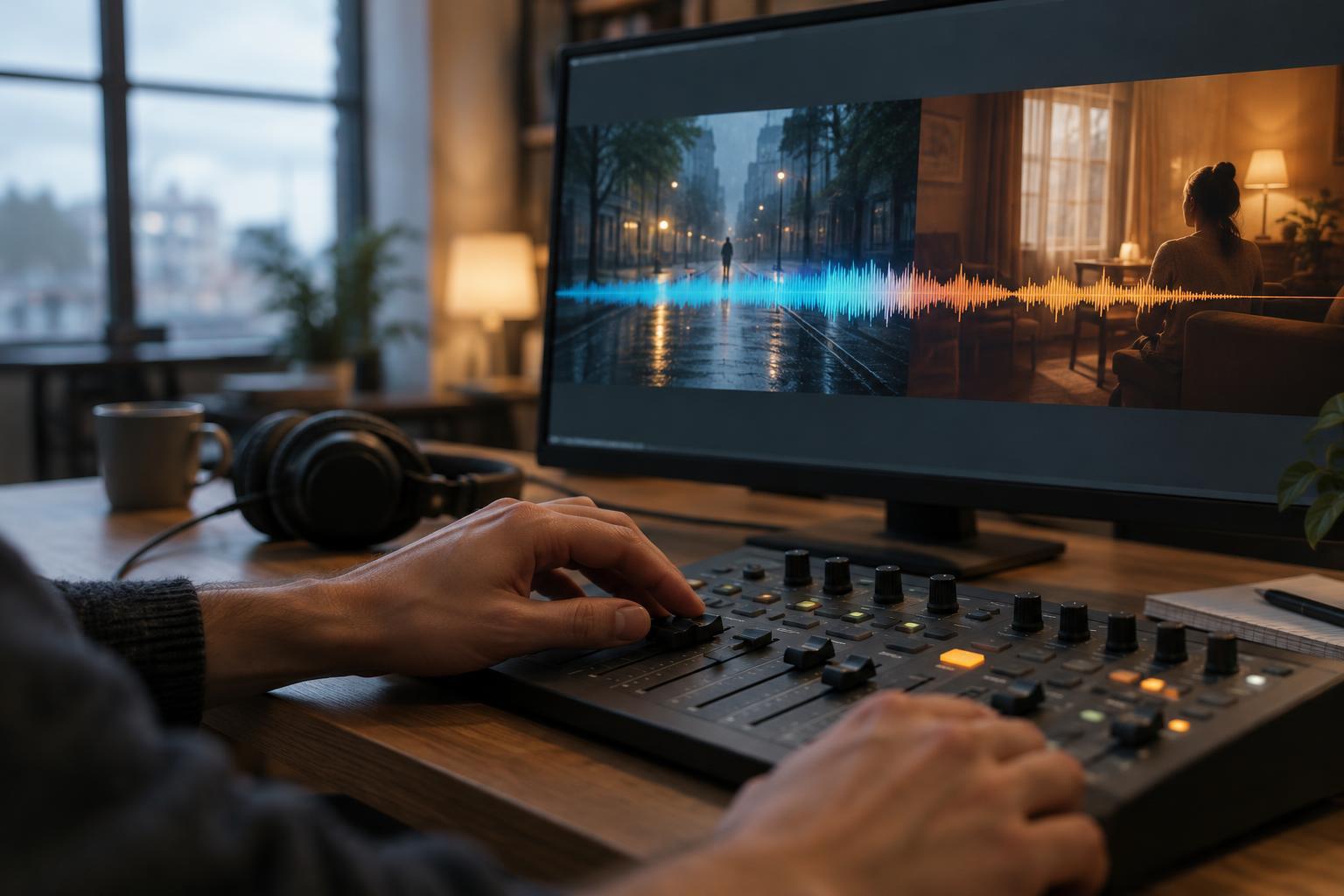
Film SoundA sound bridge lets audio begin before a picture cut or continue after one. Learn how to use this simple editing technique to connect scenes, guide attention, and control the pace of a transition.
Read article · 4 min↗
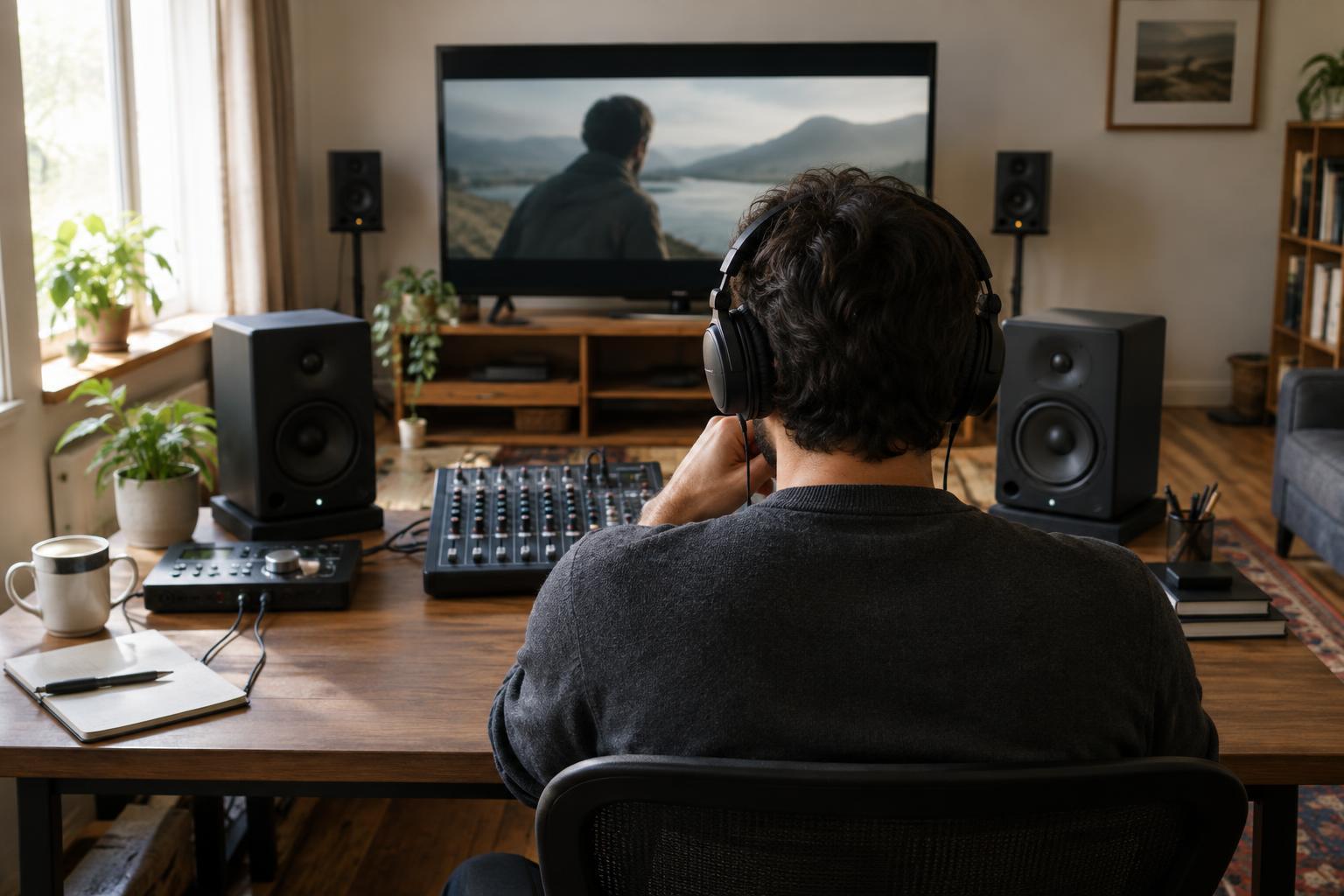
Film SoundA short film does not need the most elaborate sound format to feel immersive. Learn what mono, stereo, and surround offer, how each affects dialogue and sound design, and how to choose a mix that works for your intended audience.
Read article · 4 min↗
Film SoundA song can carry a scene, but finding the right track is only part of the job. Learn which music rights a filmmaker may need, why a license must match the film’s intended uses, and how to keep a clear permission record.
Read article · 4 min↗
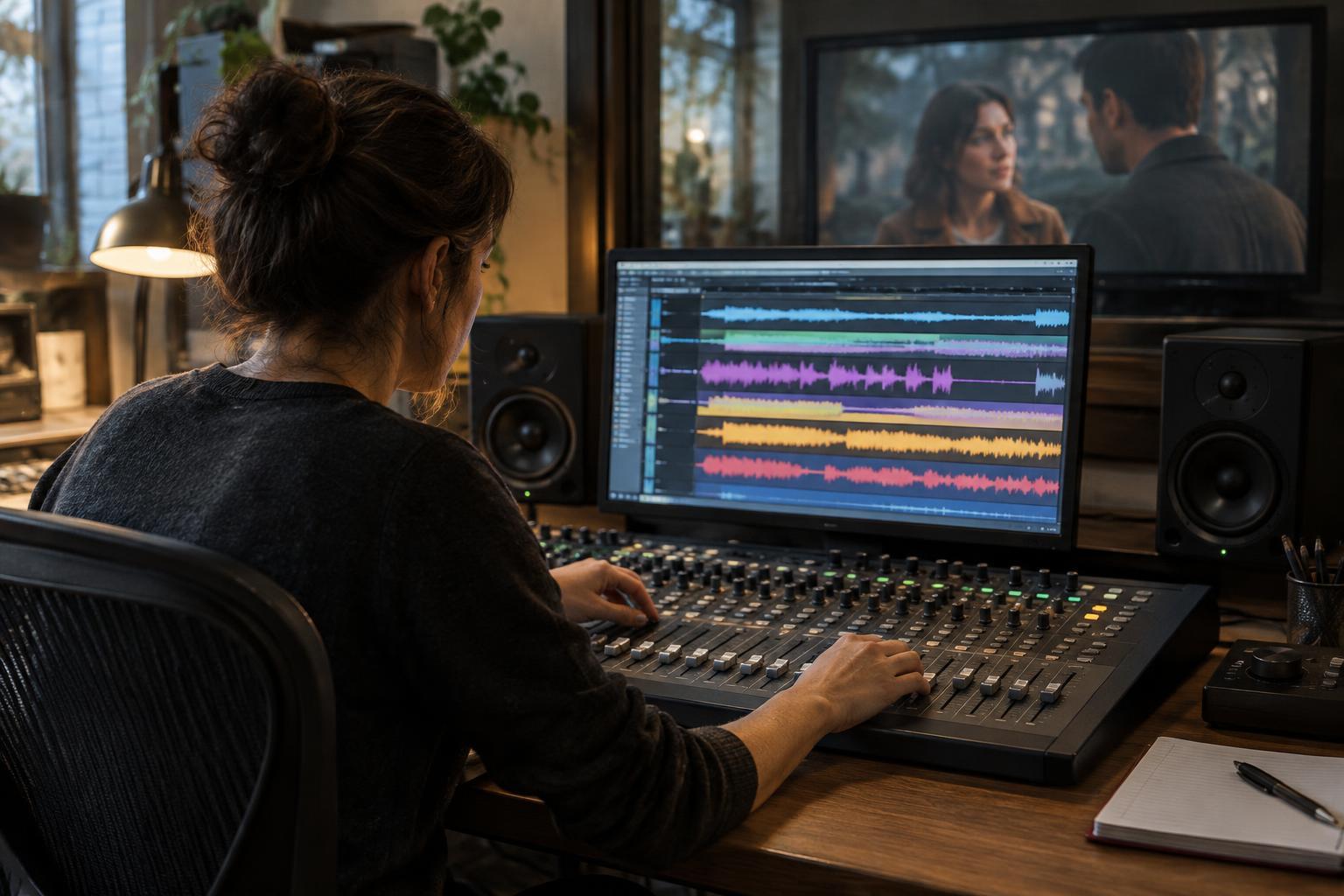
Film SoundA clear film mix does not have to be a quiet one. Learn how to identify essential lines, make room for speech in music and effects, and check whether the story still makes sense on ordinary speakers.
Read article · 4 min↗
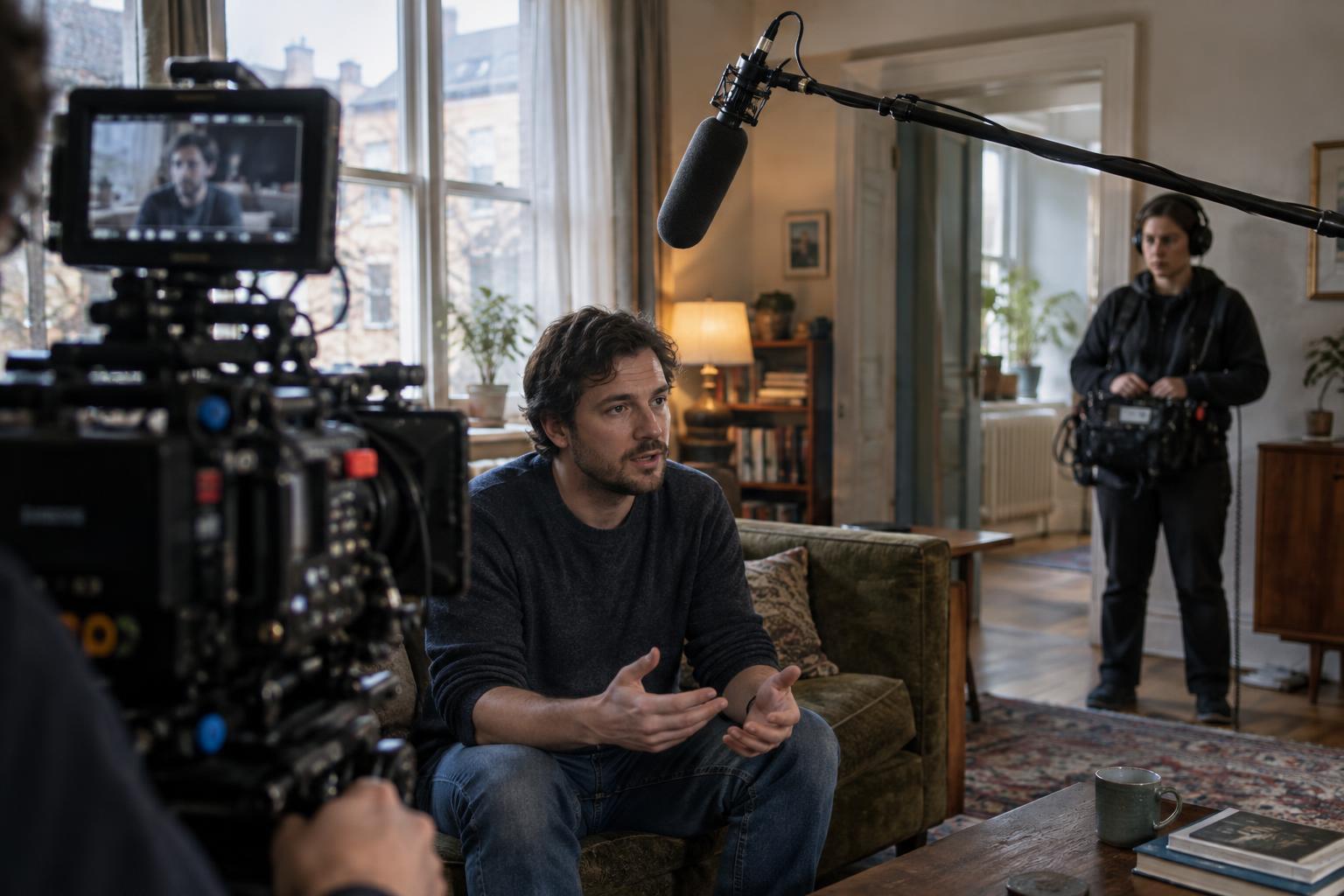
Film SoundA close-up can feel strangely distant if its sound belongs to the back of the room. Learn how dialogue level, room reflections, ambience and editing can help audio follow the camera—or deliberately resist it.
Read article · 4 min↗
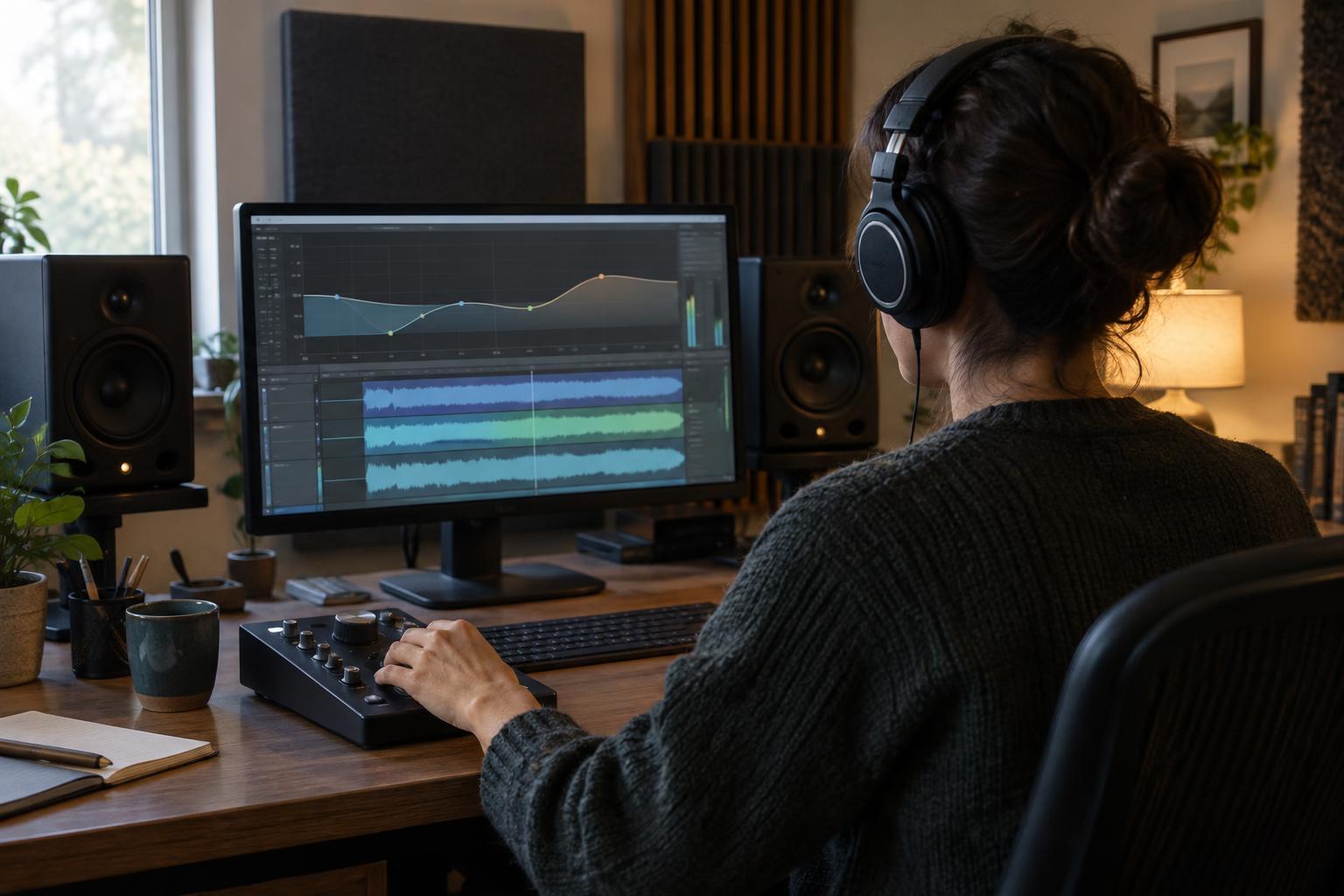
Film SoundClear dialogue does not require stripping every trace of warmth from a voice. Learn how to use EQ in context, make small changes with a purpose, and preserve a natural sound across shots and playback systems.
Read article · 4 min↗
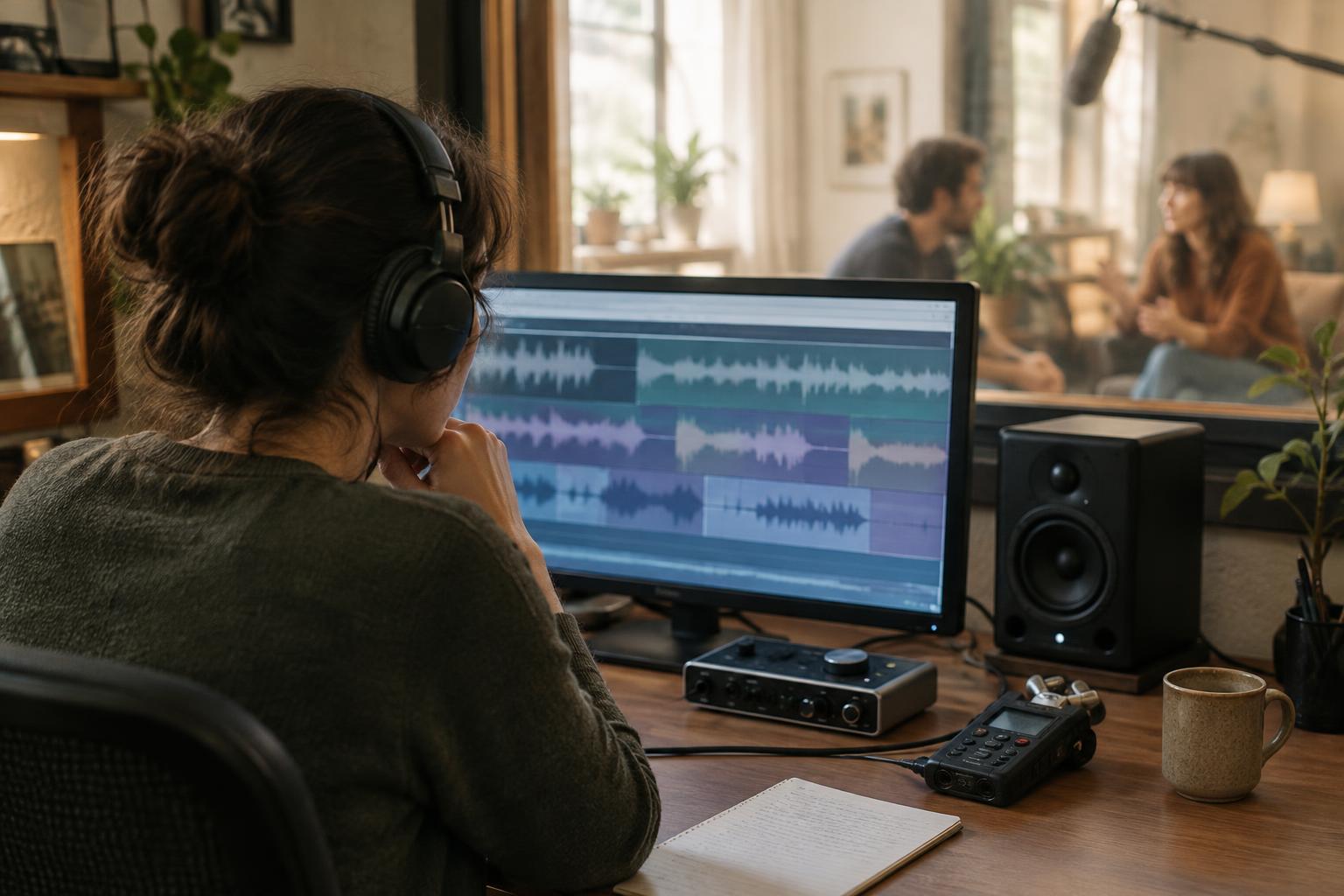
Film SoundClear dialogue does not have to sound scrubbed clean. Learn a practical editing workflow for choosing takes, smoothing cuts, managing breaths and background noise, and checking that a conversation still feels human.
Read article · 4 min↗
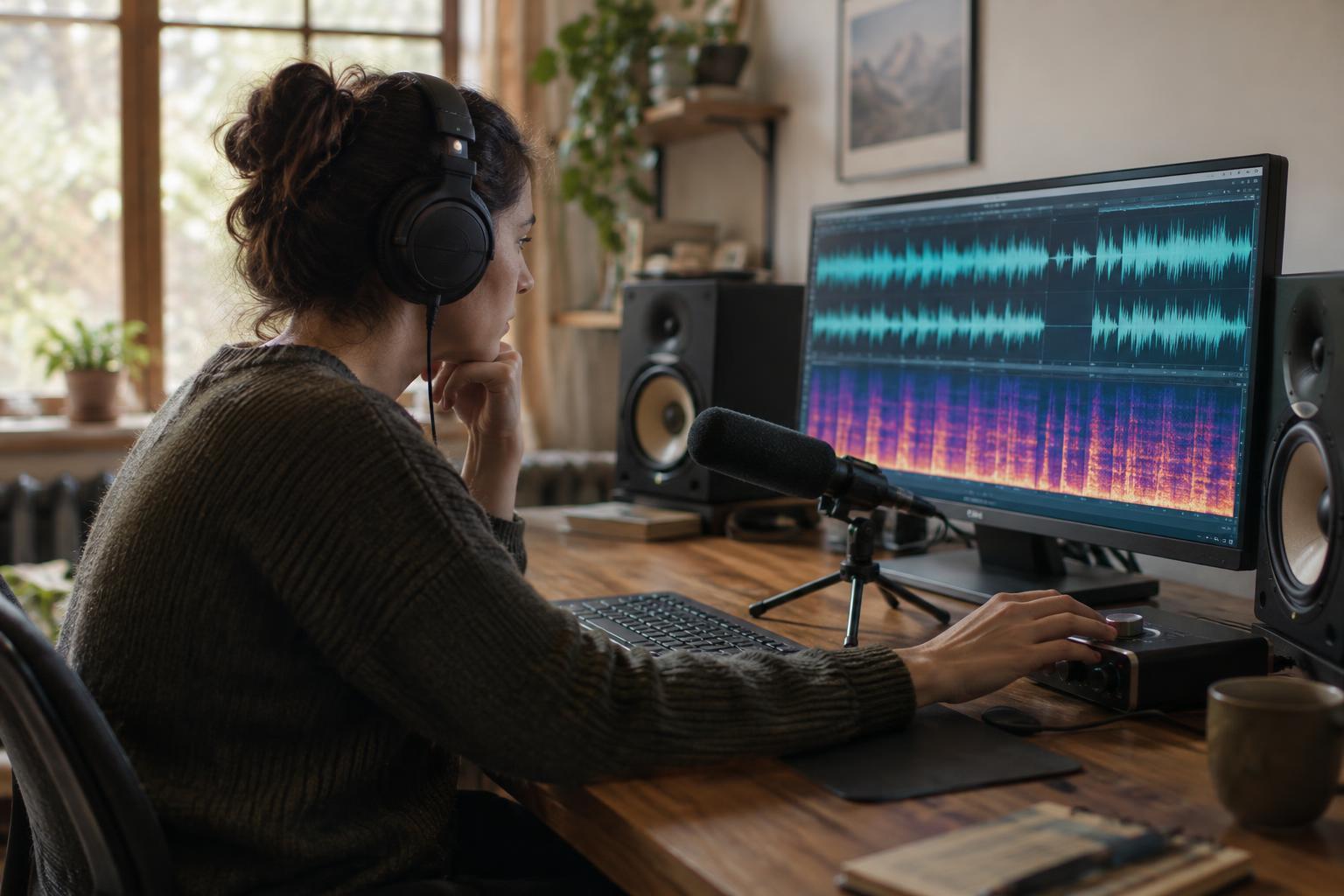
Film SoundNoise reduction can make a dialogue track easier to hear, but it cannot rebuild every missing word or turn a poor recording into a clean one. Learn how to identify the problem, apply gentle processing, and recognize when editing or rerecording is the better choice.
Read article · 4 min↗
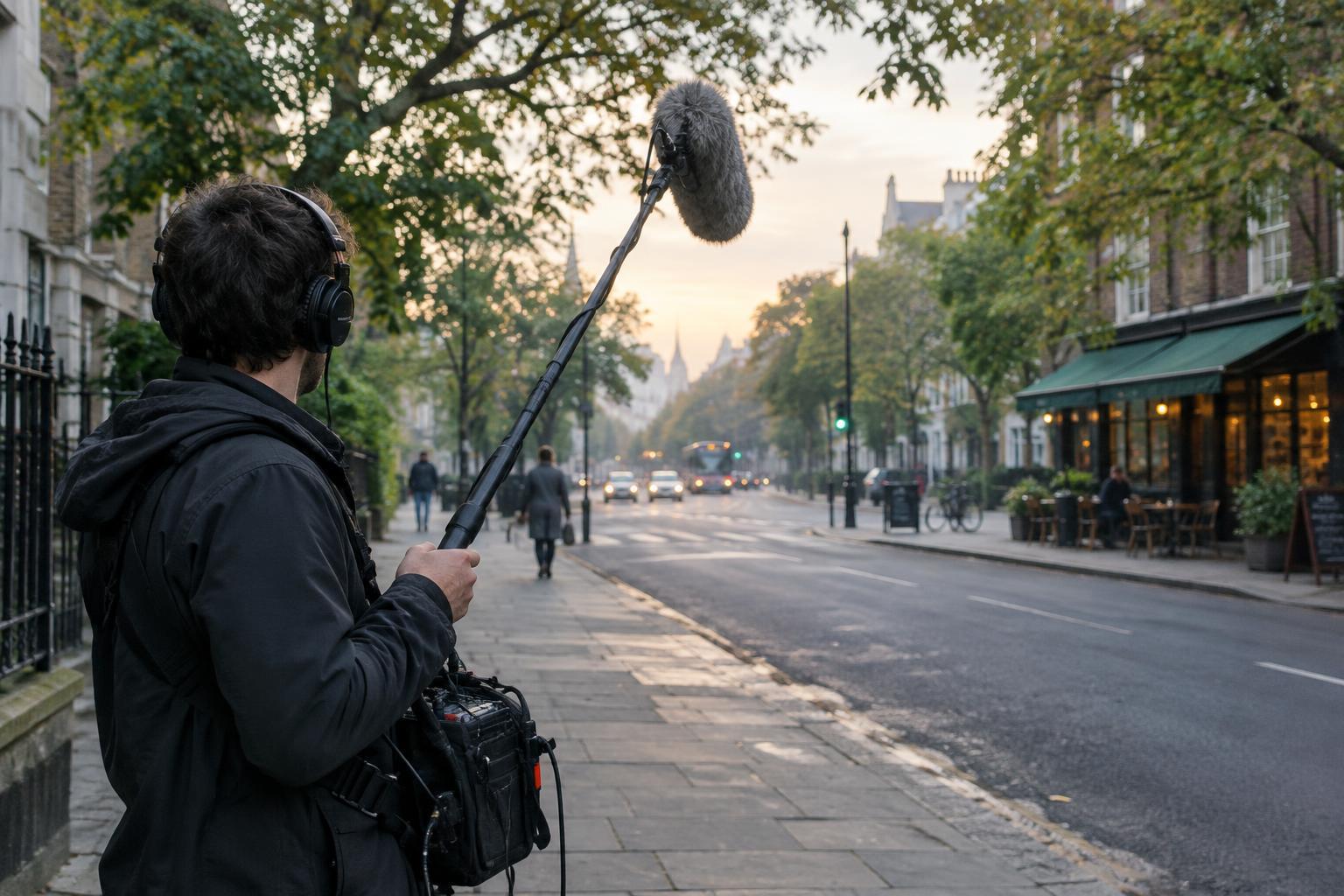
Film SoundBackground ambience does more than fill silence. Learn how to build a scene’s sense of place with a steady foundation, carefully chosen details, perspective, and transitions that serve the story.
Read article · 4 min↗
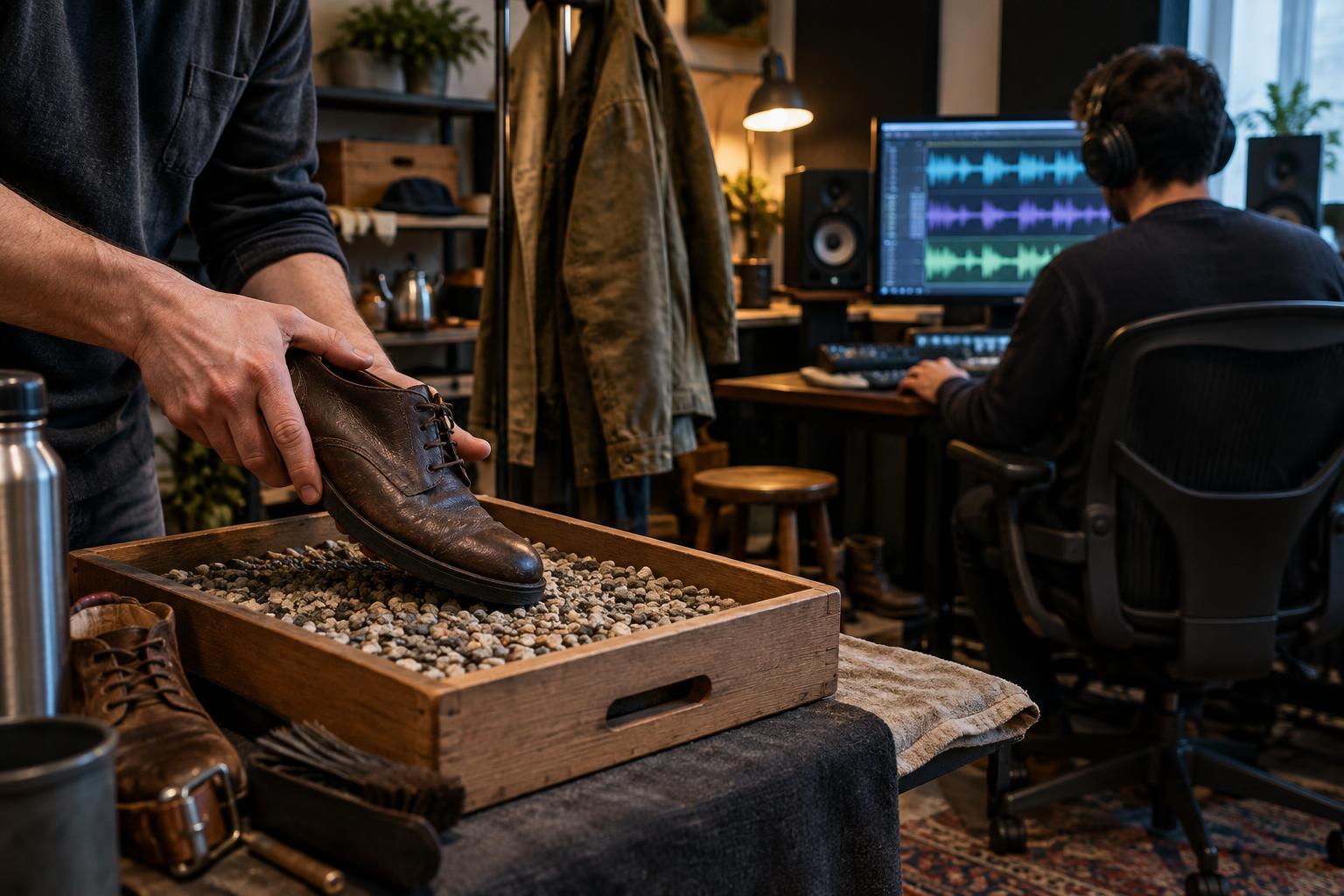
Film SoundFootsteps, clothing and object sounds can come from a fresh Foley recording or an existing sound library. Learn when each approach serves a scene, how to combine them, and what to check before an effect reaches the final mix.
Read article · 4 min↗
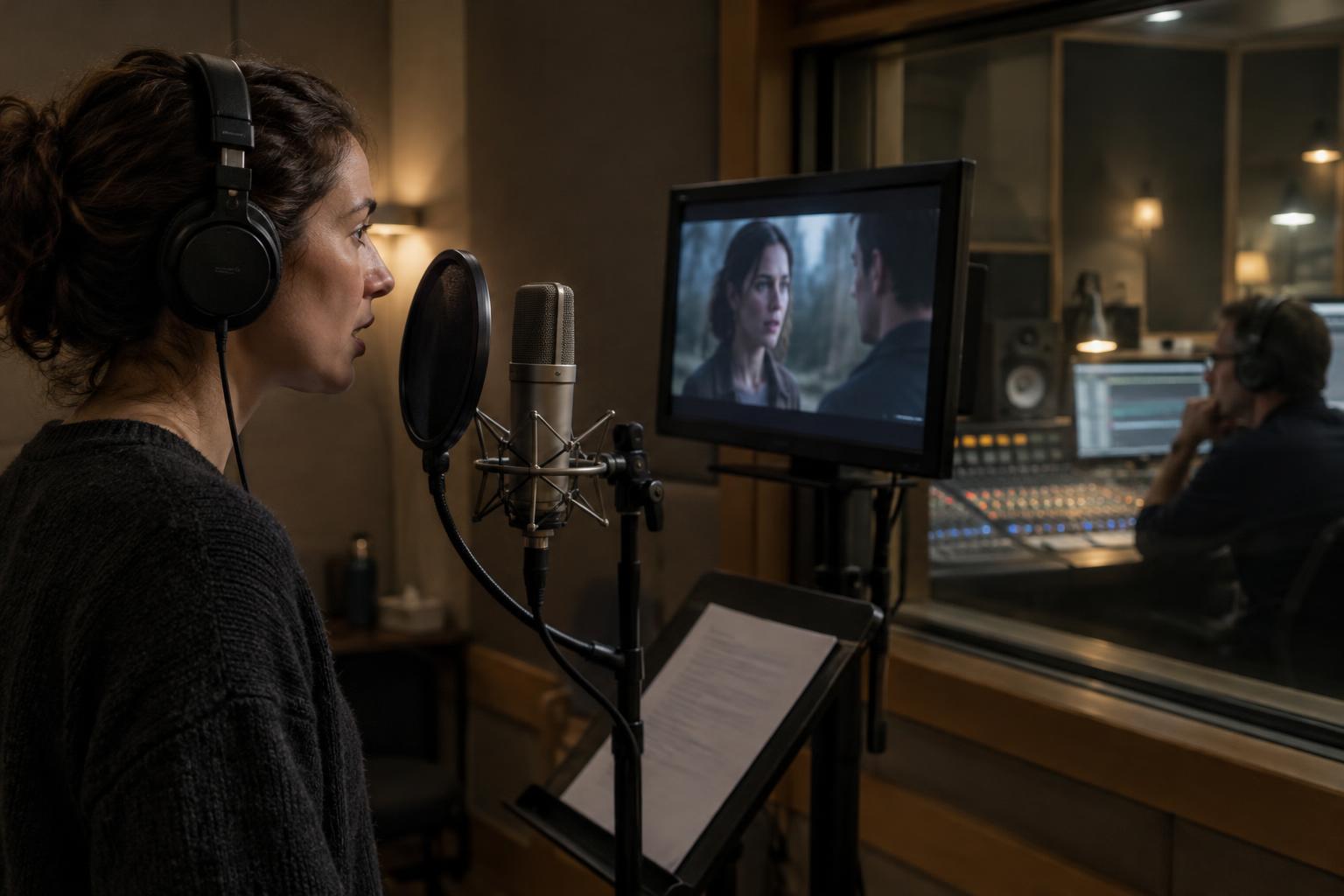
Film SoundAutomated dialogue replacement can rescue an important line, but a clean recording is not automatically a convincing one. Learn when ADR is worth trying, when production sound may serve the scene better, and how to make replacement dialogue feel at home in the edit.
Read article · 4 min↗
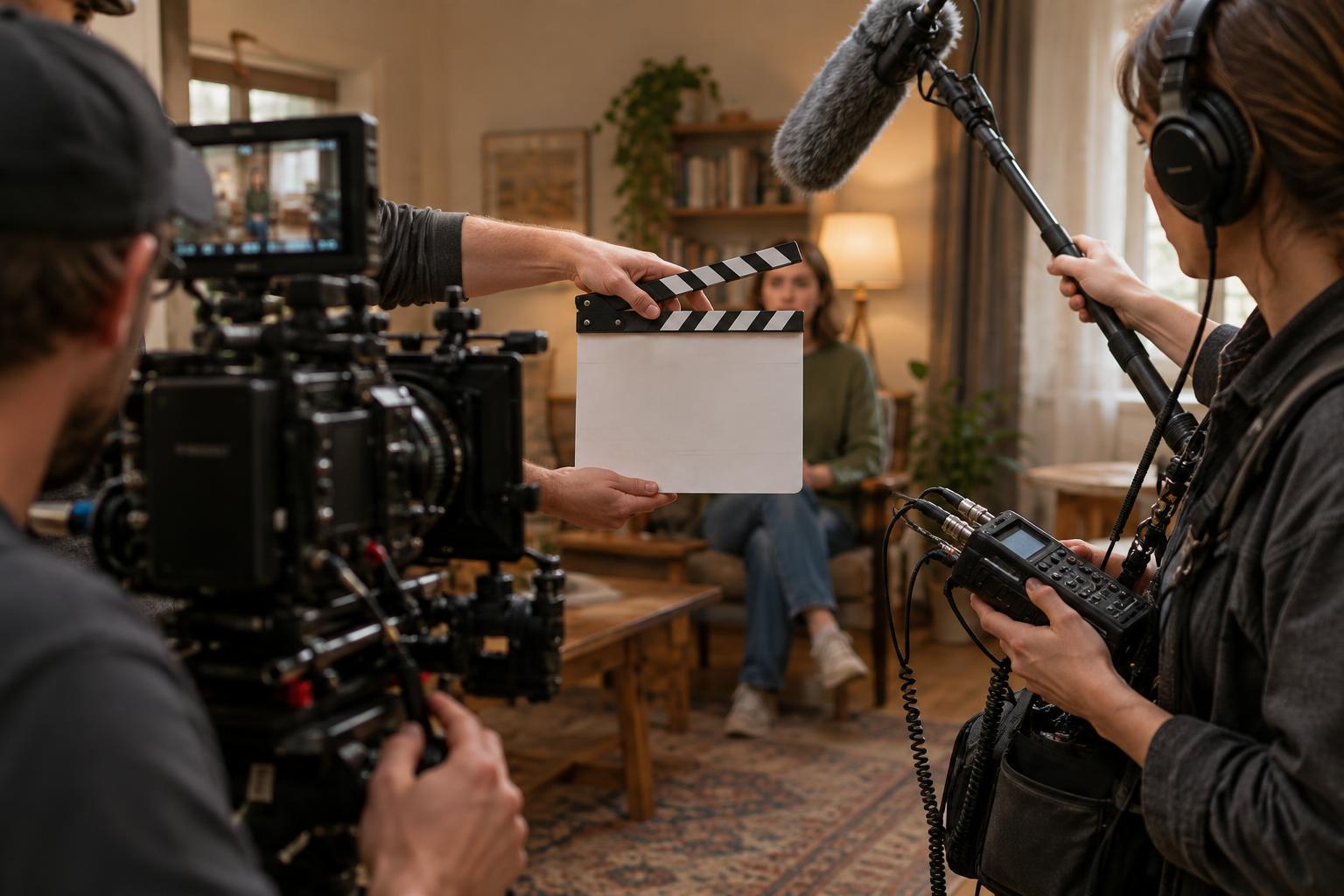
Film SoundRecording dialogue on a separate device can give a filmmaker more control, but it creates one essential task in the edit: matching each sound file to its picture. Learn how slates, camera reference audio, waveforms and timecode help, plus what to check when sync slips.
Read article · 4 min↗
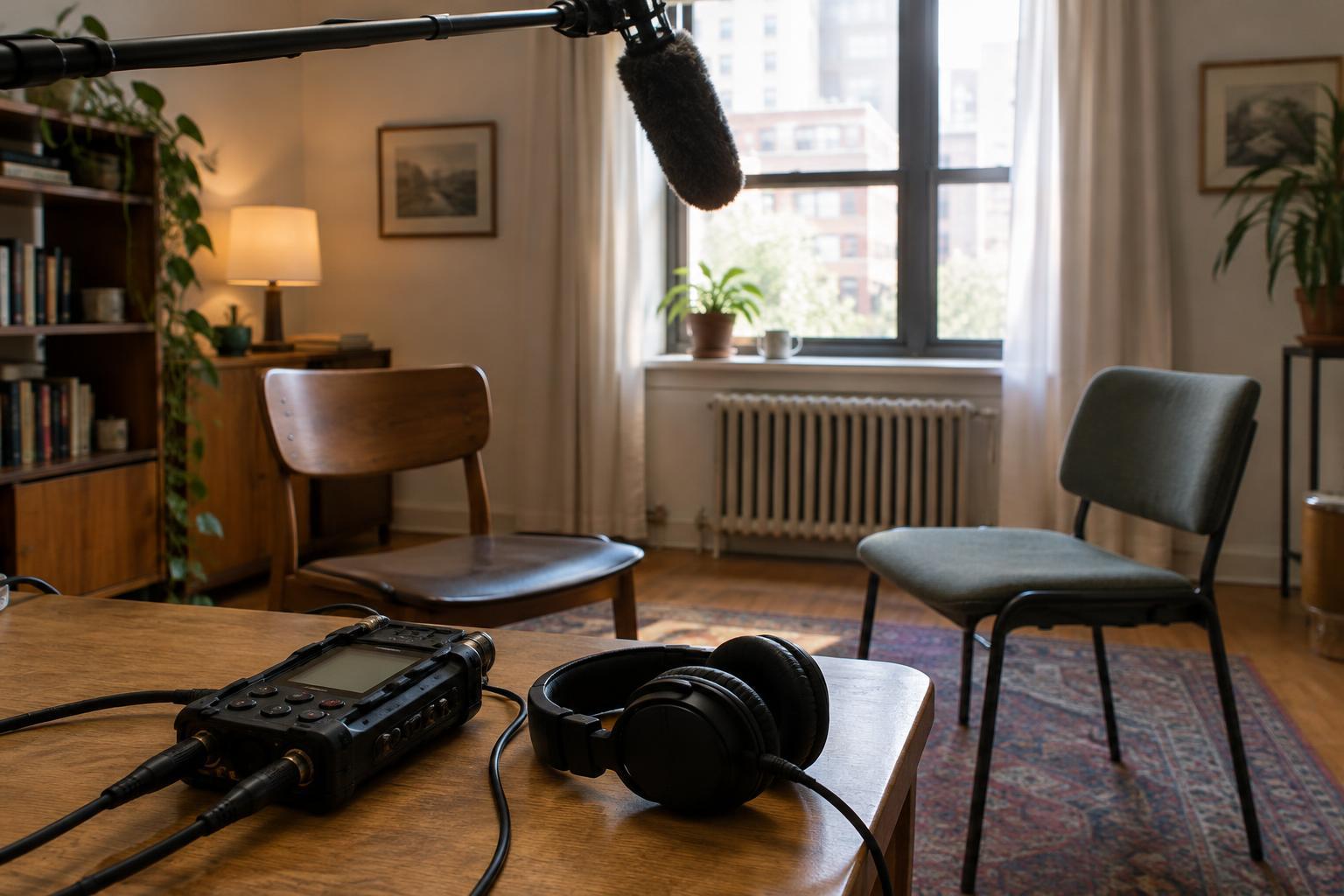
Film SoundRoom tone gives an editor the sound of a location between lines of dialogue. Learn when to record it, how to match each sound setup, and how much to capture so a scene can be edited without awkward gaps.
Read article · 4 min↗
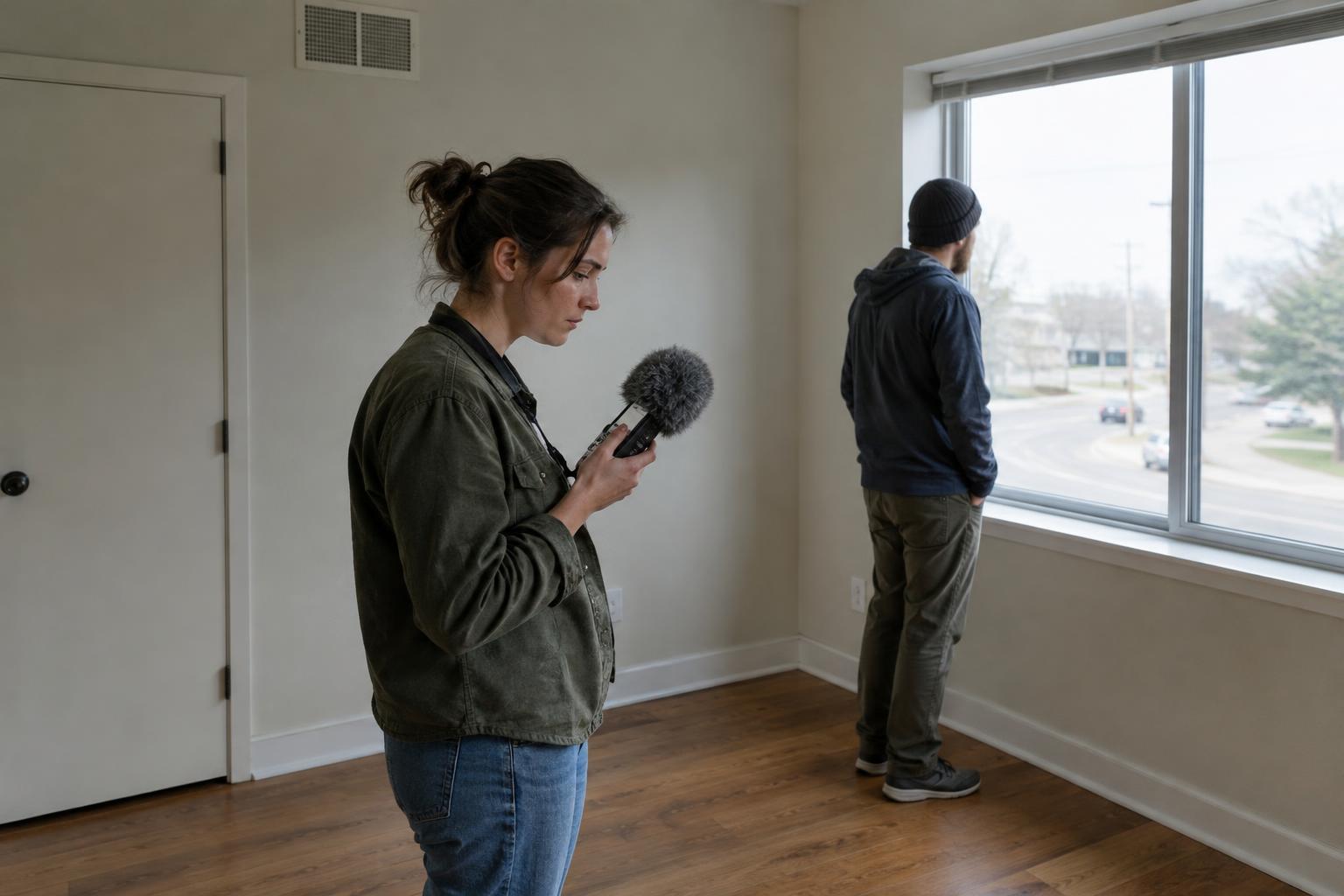
Film SoundA location can look perfect and still make dialogue difficult to record. Learn what to listen for during a scout, from traffic and ventilation to neighboring rooms, and how to plan around noise you cannot eliminate.
Read article · 4 min↗
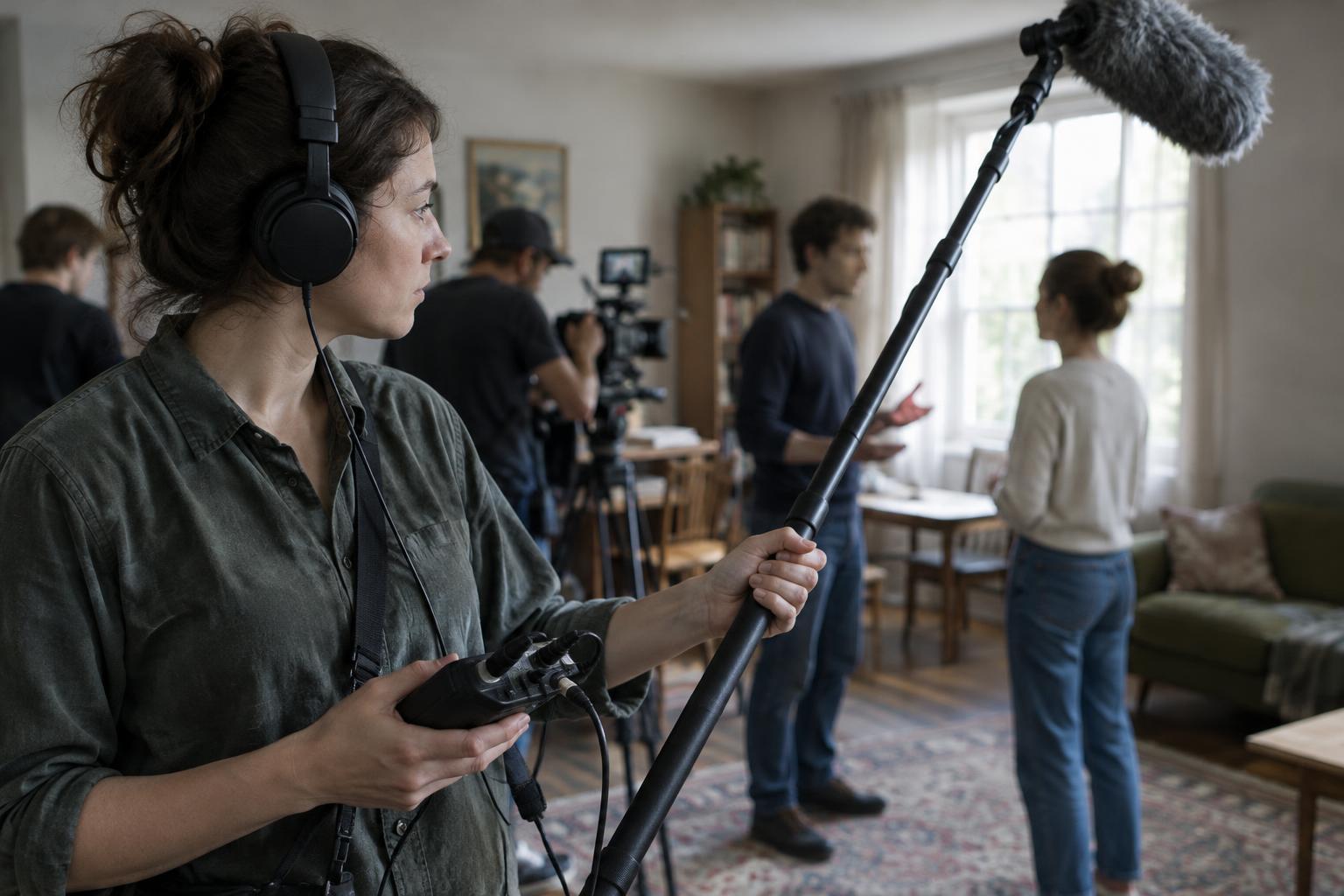
Film SoundHeadphones help you catch more than obvious noise on a film set. Learn to listen for intelligible dialogue, distortion, microphone movement, room tone and changes between takes—and to know when a recording needs another try.
Read article · 4 min↗
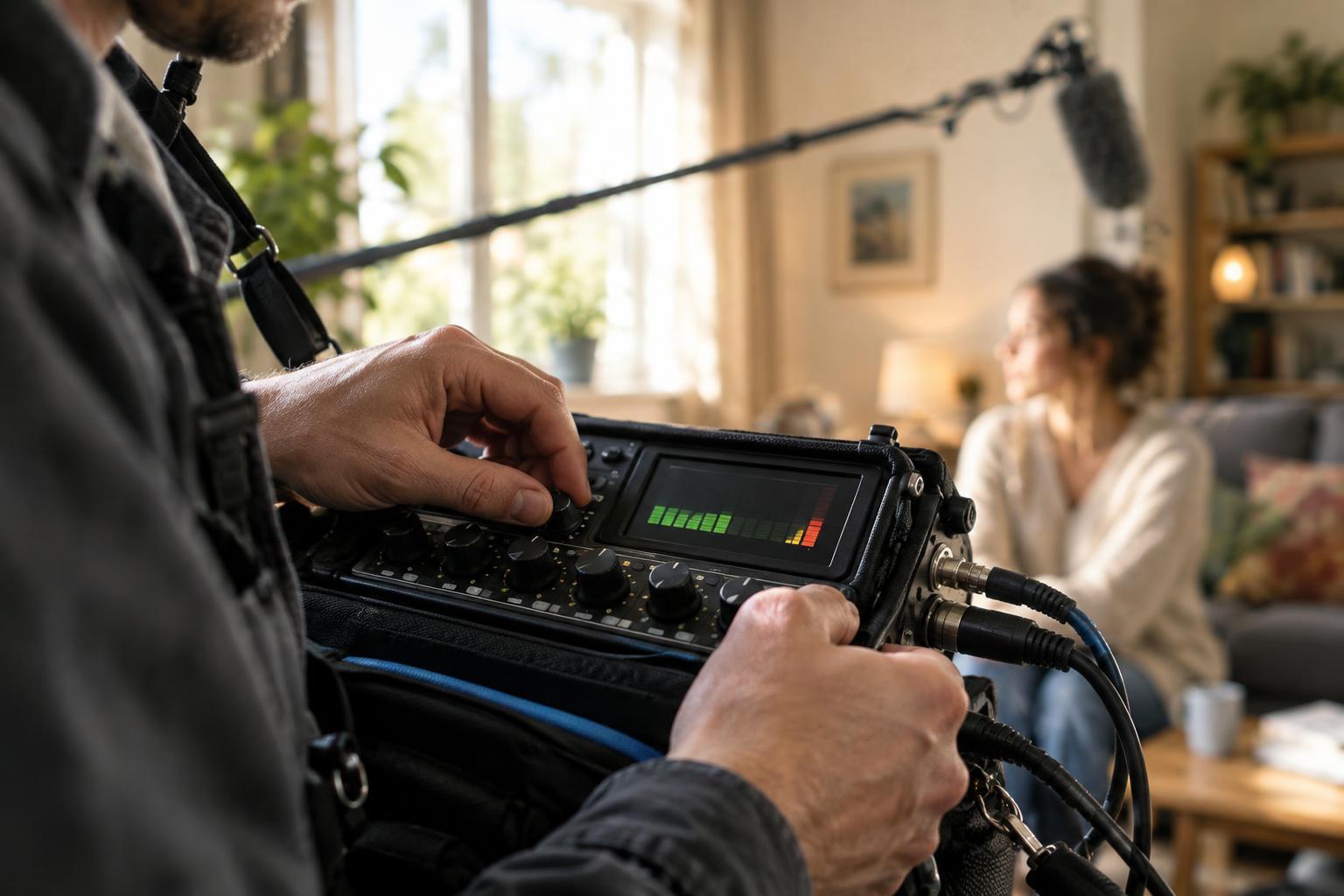
Film SoundA practical guide to setting dialogue recording levels, reading a digital meter, leaving room for unexpected peaks, and recognizing distortion that lowering the gain cannot fix.
Read article · 4 min↗
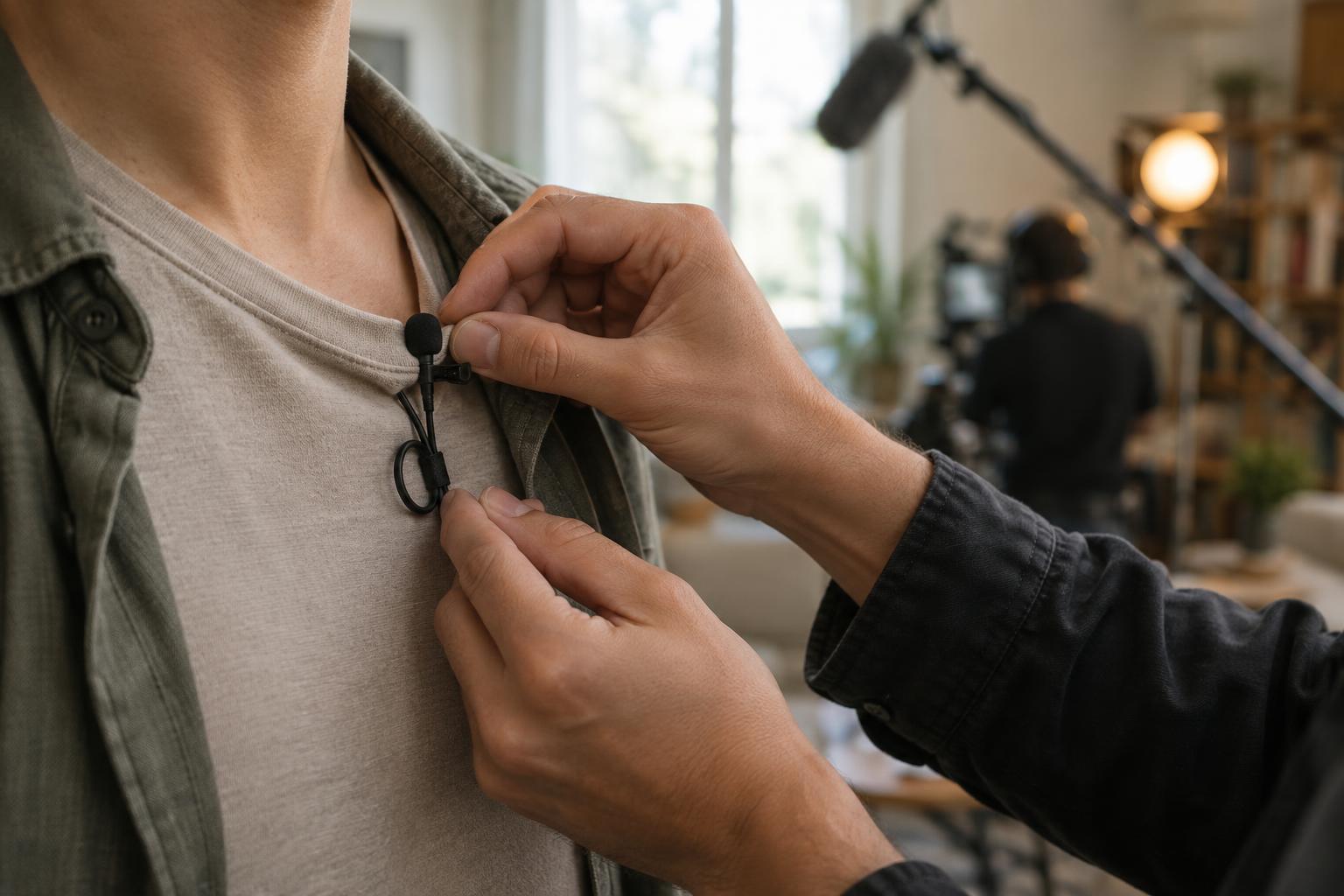
Film SoundA hidden lavalier can keep dialogue clear when a boom microphone cannot get close, but fabric movement can overwhelm the voice. Learn how to choose a placement, isolate the capsule, manage the cable and test the setup before a take.
Read article · 4 min↗
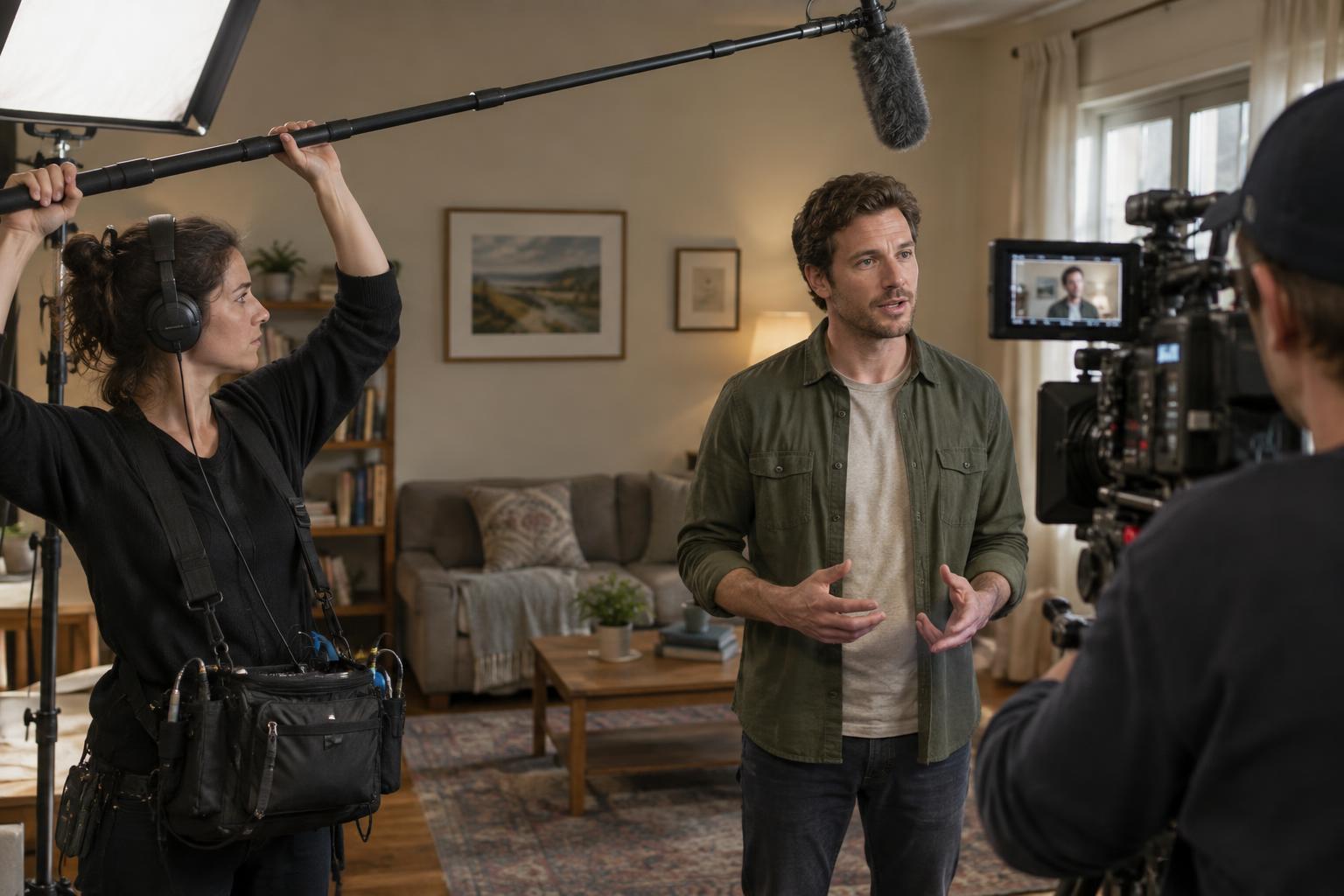
Film SoundA boom microphone works best when it stays close to the performer, follows the voice and remains outside the camera’s view. Learn how to find that position, coordinate with framing and lighting, and catch problems before a take is lost.
Read article · 3 min↗
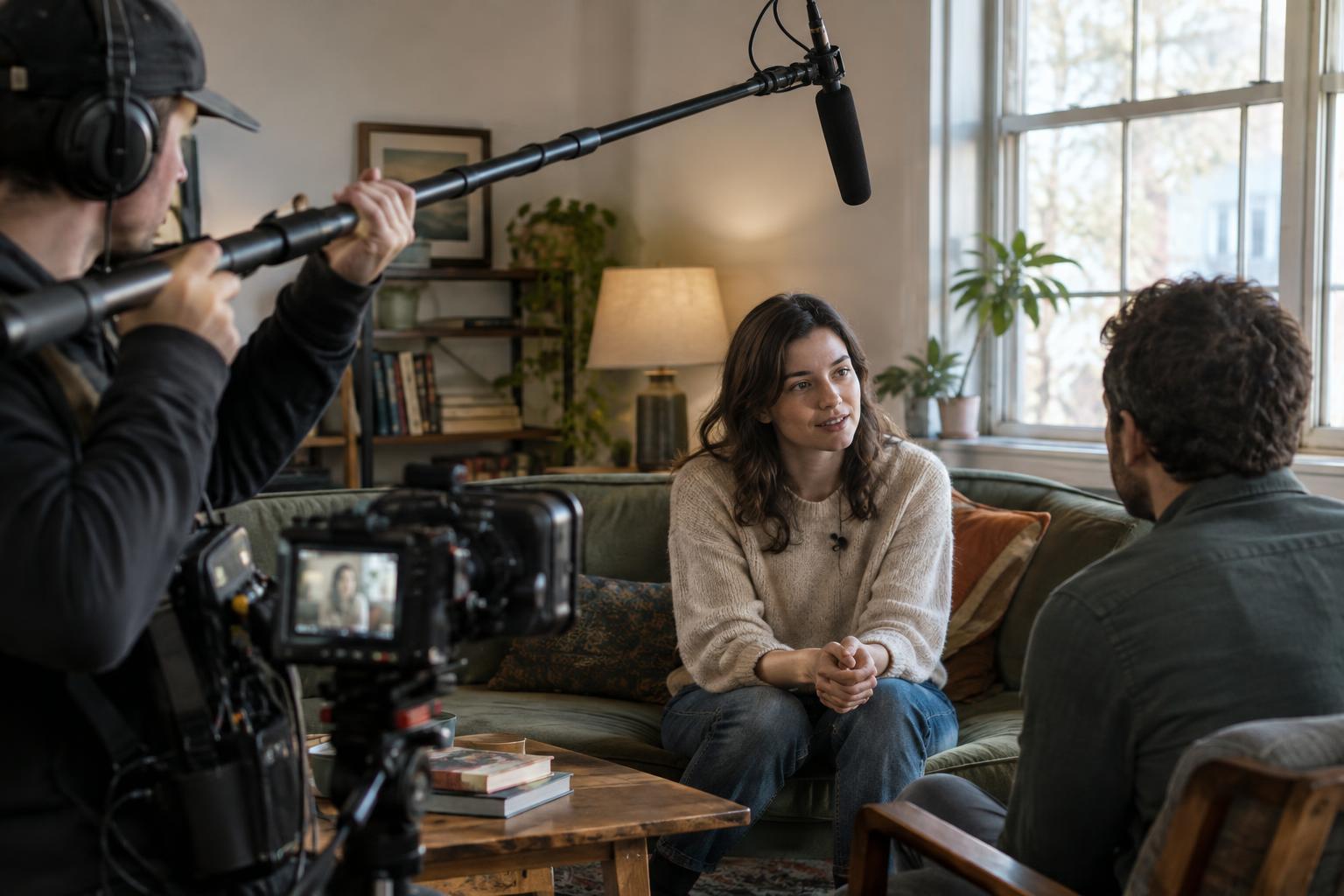
Film SoundA shotgun microphone and a lavalier solve different dialogue problems. Learn how framing, movement, room sound and wardrobe affect the choice, and why a short test can matter more than a fixed rule.
Read article · 4 min↗
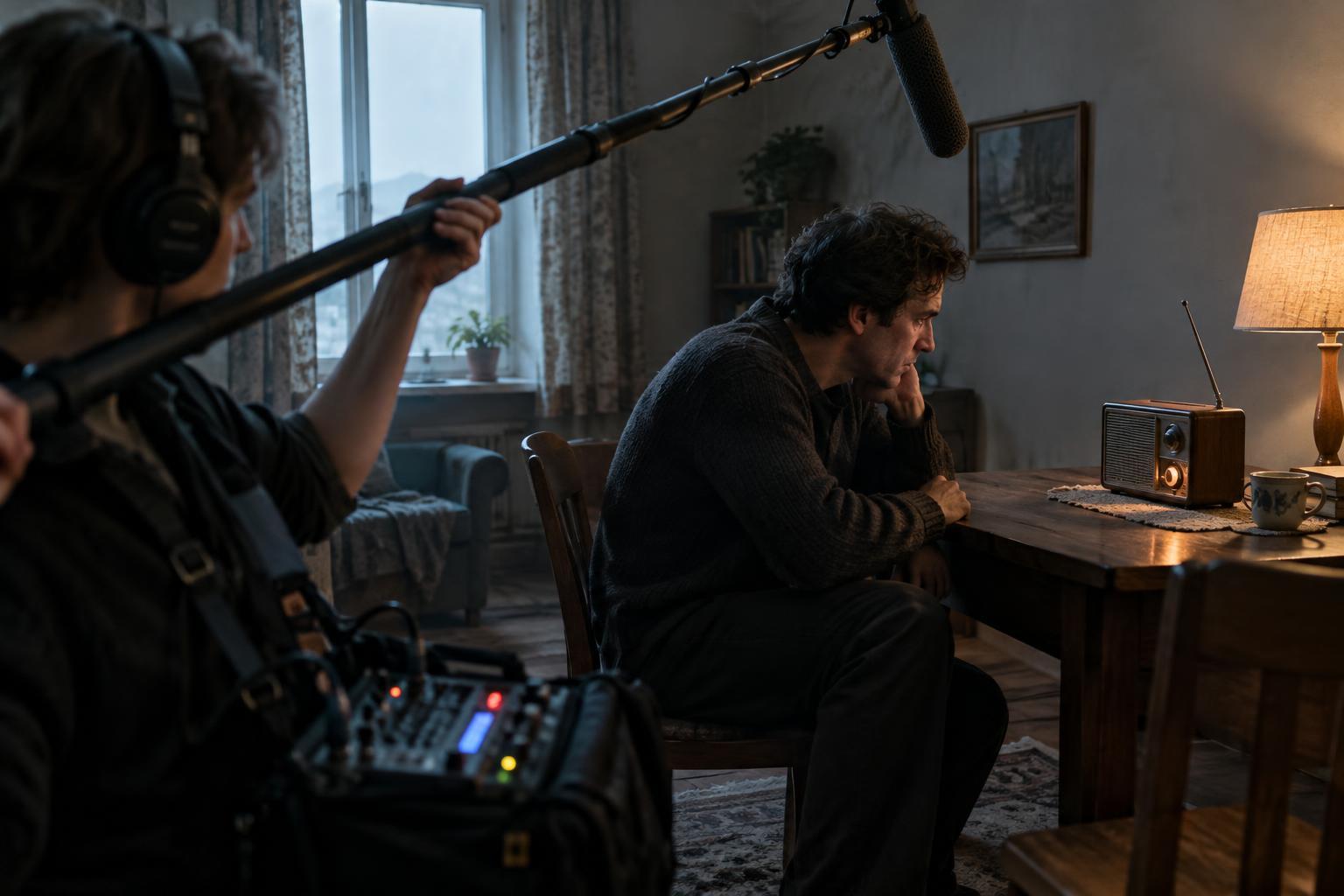
Film SoundA sound can belong to a scene’s world or be heard only by the audience. Learn how diegetic and non-diegetic sound shape point of view, tension and story clarity, with practical ways to use both in a film.
Read article · 4 min↗
Film SoundFilm sound is easier to shape when you can hear its three main layers separately. Learn what dialogue, effects, and music each contribute to a scene, then use their interaction to guide attention and build emotion.
Read article · 4 min↗