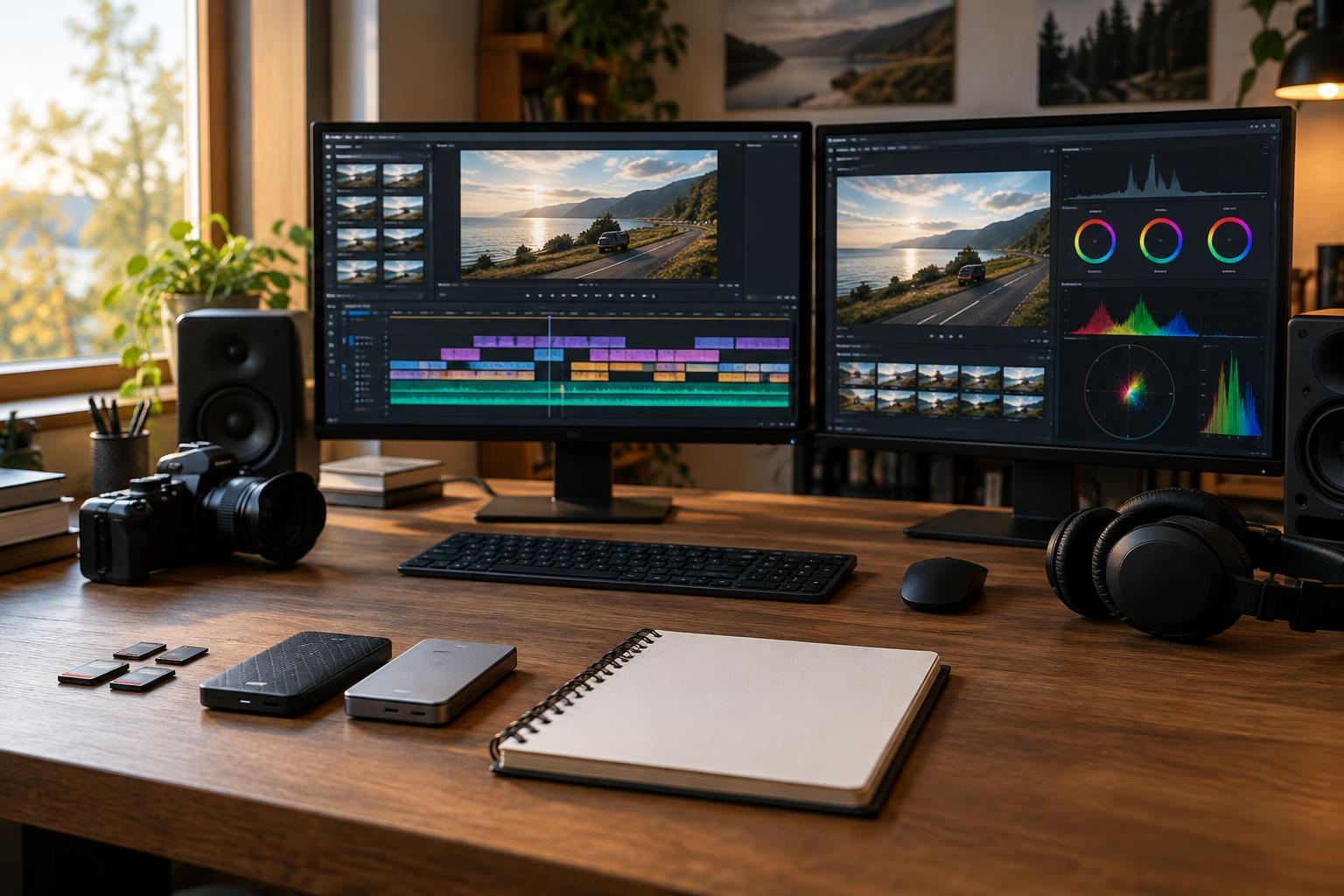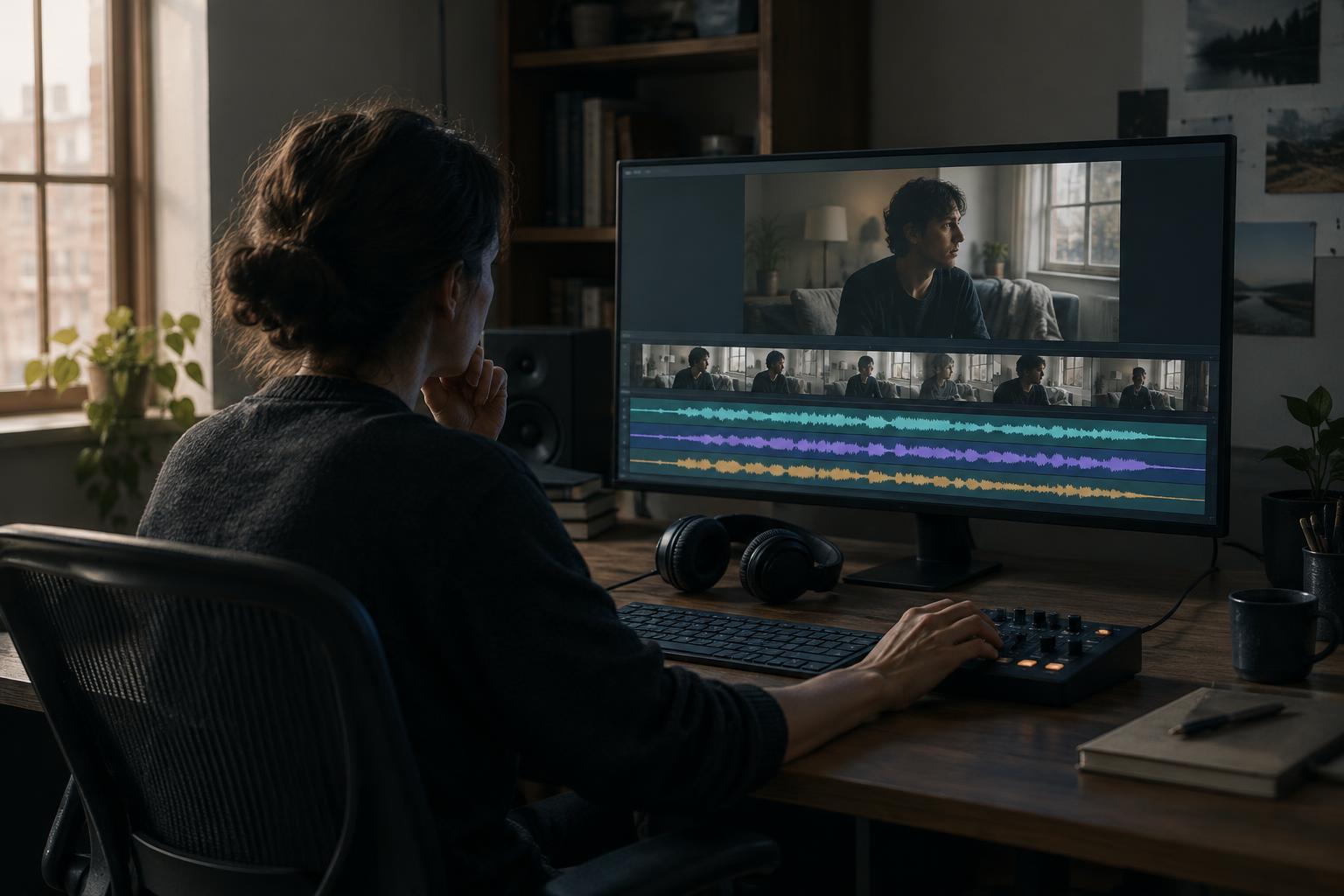
Editing and ProductionTemporary music can help an editor explore rhythm and emotion, but it can also make a scene feel finished before the storytelling works. Learn how to use a placeholder track while keeping performance, sound, and the final music choice in view.
Read article · 4 min↗
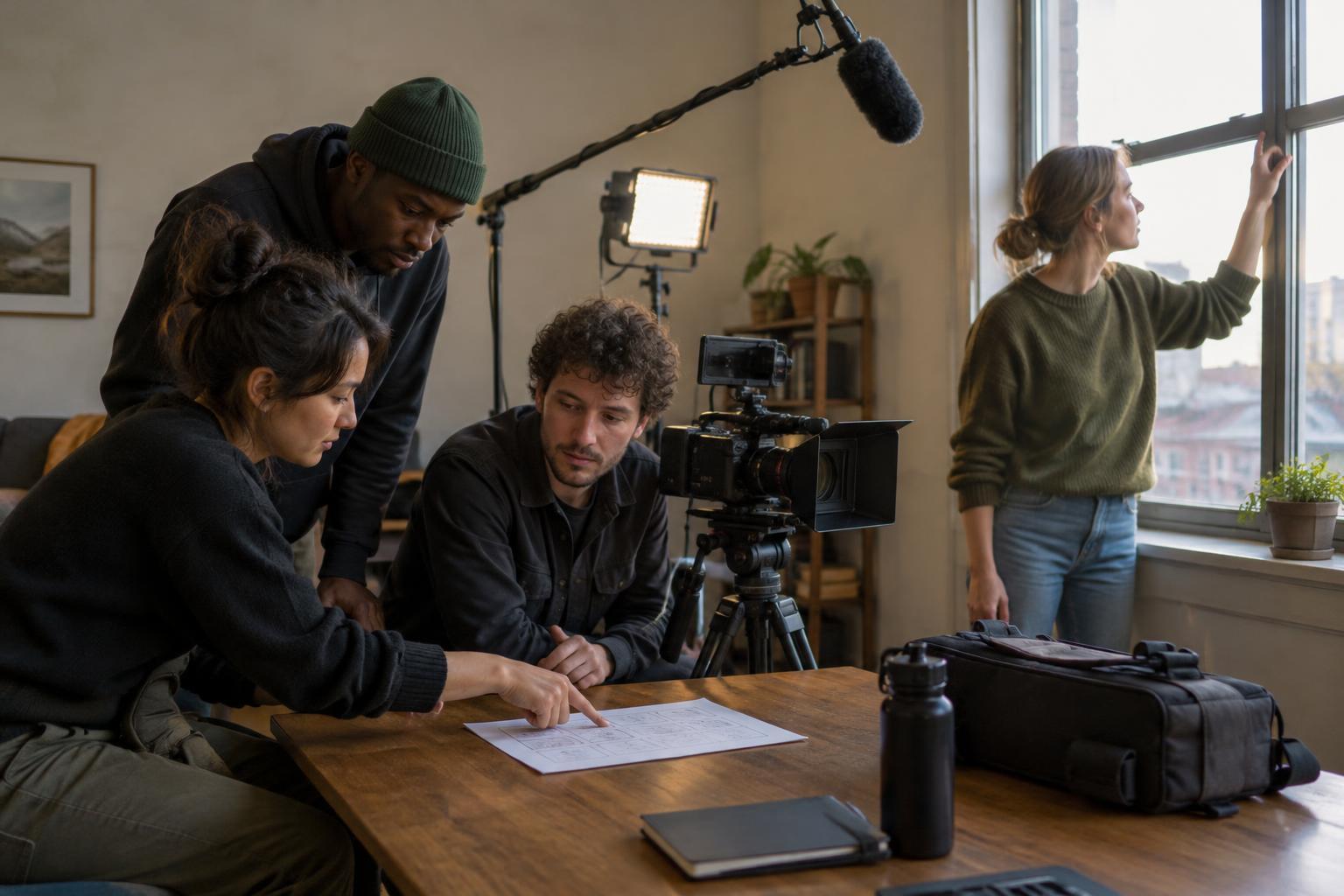
Editing and ProductionA low-budget shoot works best when the plan protects the moments that matter on screen. Learn how to rank scenes, build a realistic schedule, assign clear responsibilities, choose equipment around actual needs, and leave room for setbacks.
Read article · 4 min↗
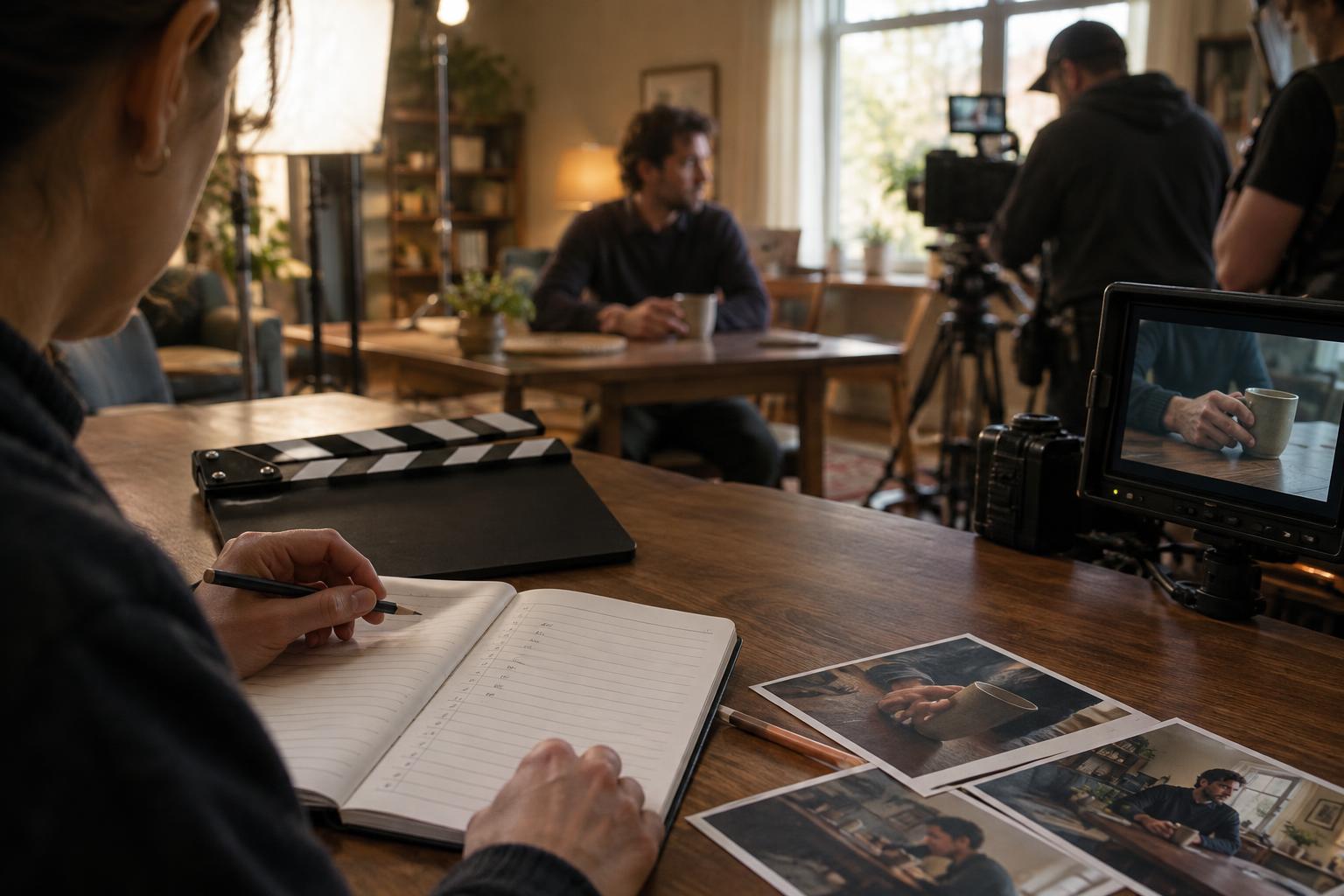
Editing and ProductionContinuity notes help a crew carry useful details from one take or camera setup to the next. Learn what to record, how to make notes quickly on set, and how to pass them to the edit.
Read article · 4 min↗
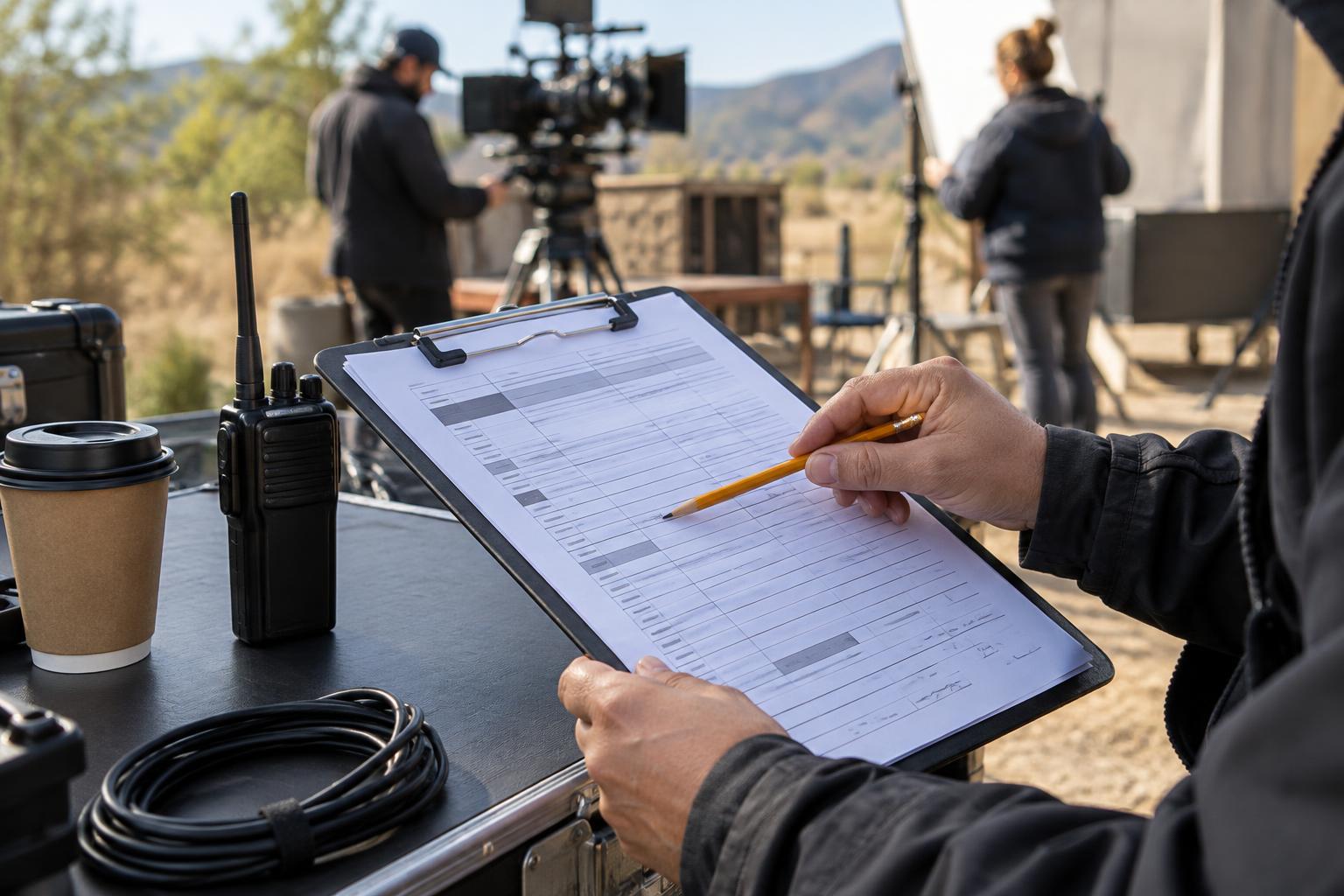
Editing and ProductionA call sheet turns a shoot plan into instructions for one working day. Learn how to read your call time, location, scene schedule, contacts and practical notes—and what to do when details change.
Read article · 4 min↗
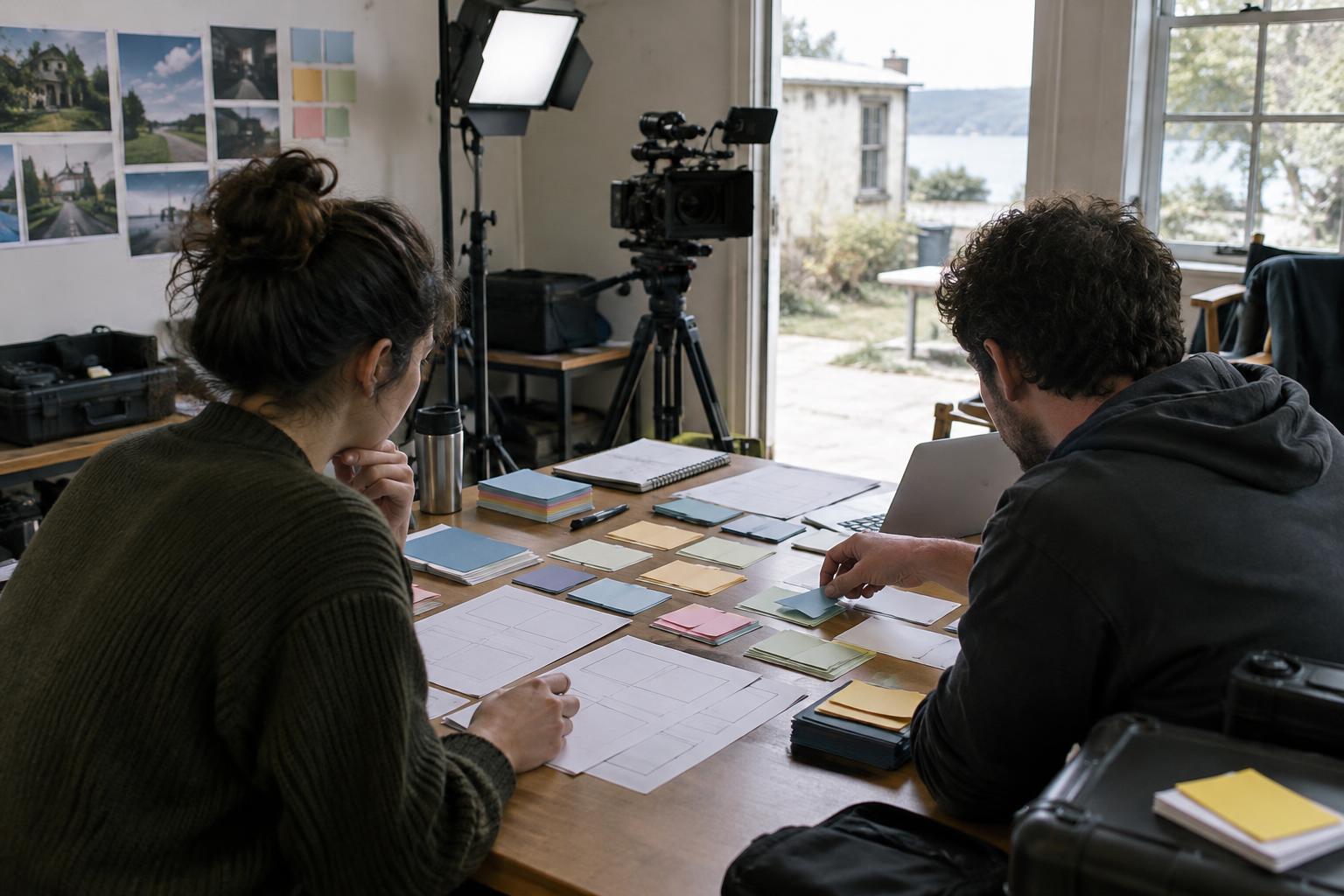
Editing and ProductionA workable shooting schedule starts with the script, but it rarely follows script order. Learn how to group scenes by location, account for cast and equipment, estimate setup time, and build a plan that leaves room for the unexpected.
Read article · 4 min↗
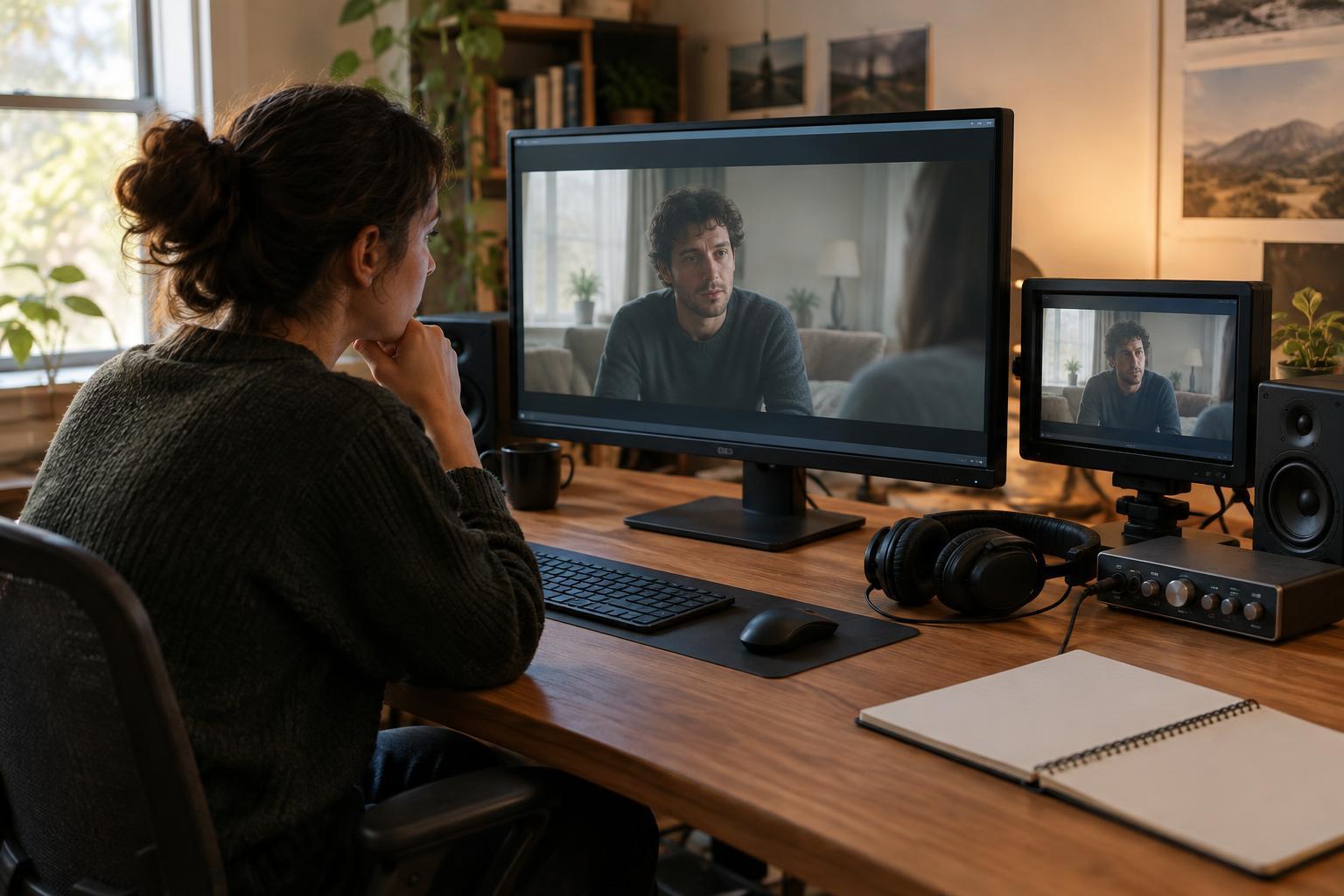
Editing and ProductionA film can feel finished in the edit and still contain a clipped line, a missing title or a faulty export. This practical quality-control pass helps you check the story, picture, sound and delivery file before sharing it.
Read article · 4 min↗
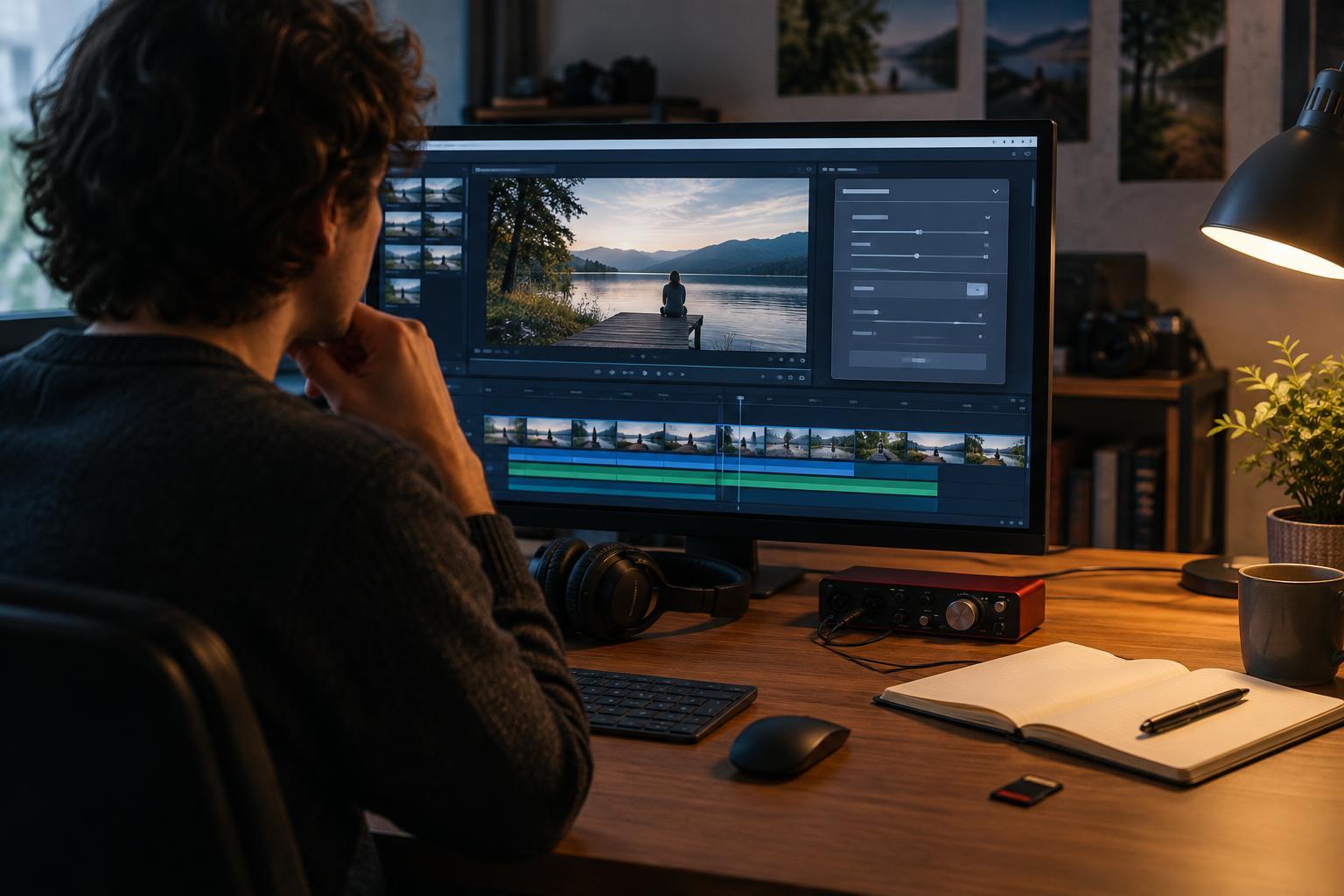
Editing and ProductionExport settings can feel like a wall of technical terms. This practical guide explains what resolution, frame rate, codec, and container each control, and how to choose a sensible delivery file without losing sight of the film itself.
Read article · 4 min↗
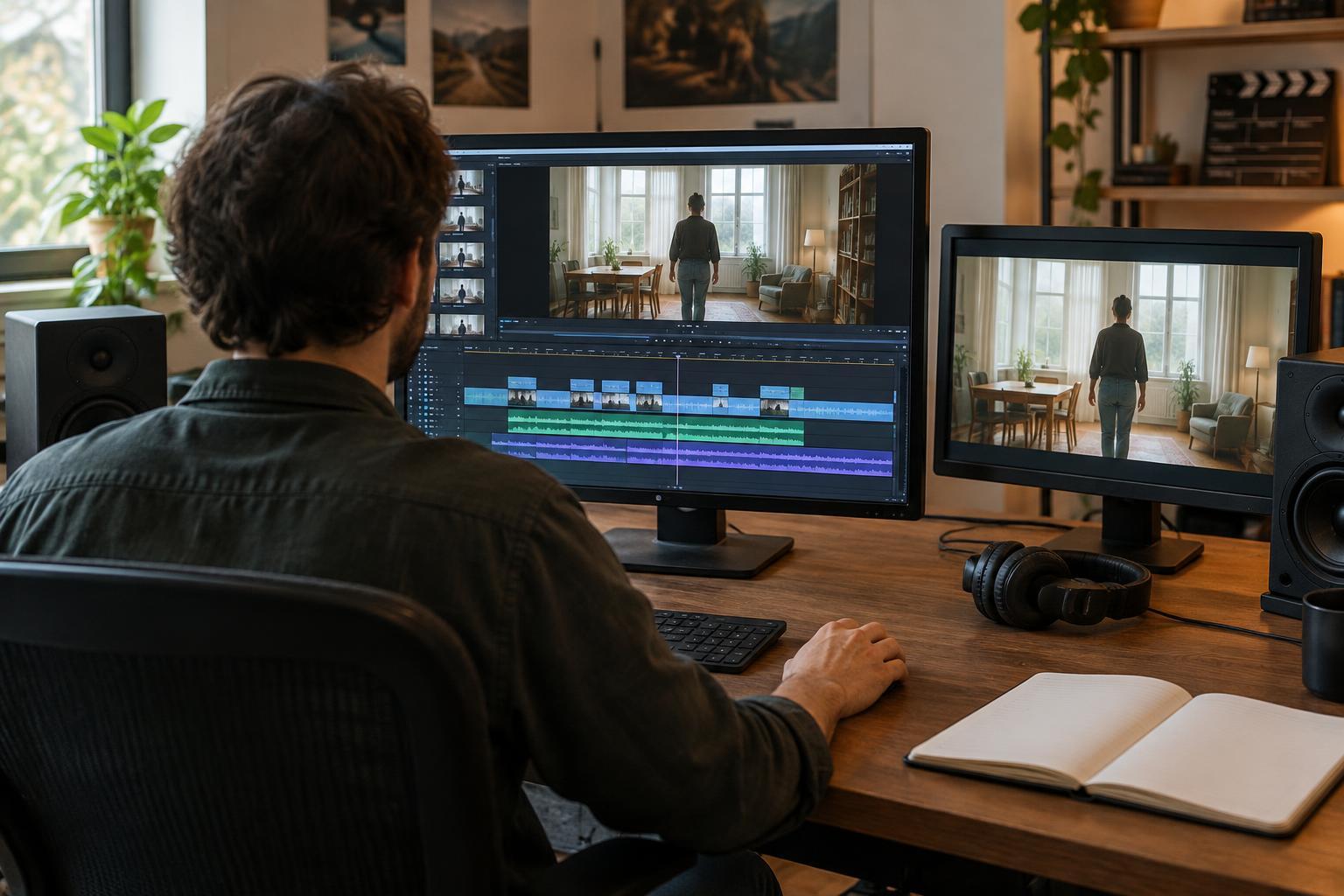
Editing and ProductionPicture lock is the point at which a film’s edit is stable enough for finishing work to proceed. It does not mean every detail is finished. Learn what to review before locking, why small changes can have large consequences, and how to hand off a clear, dependable cut.
Read article · 4 min↗
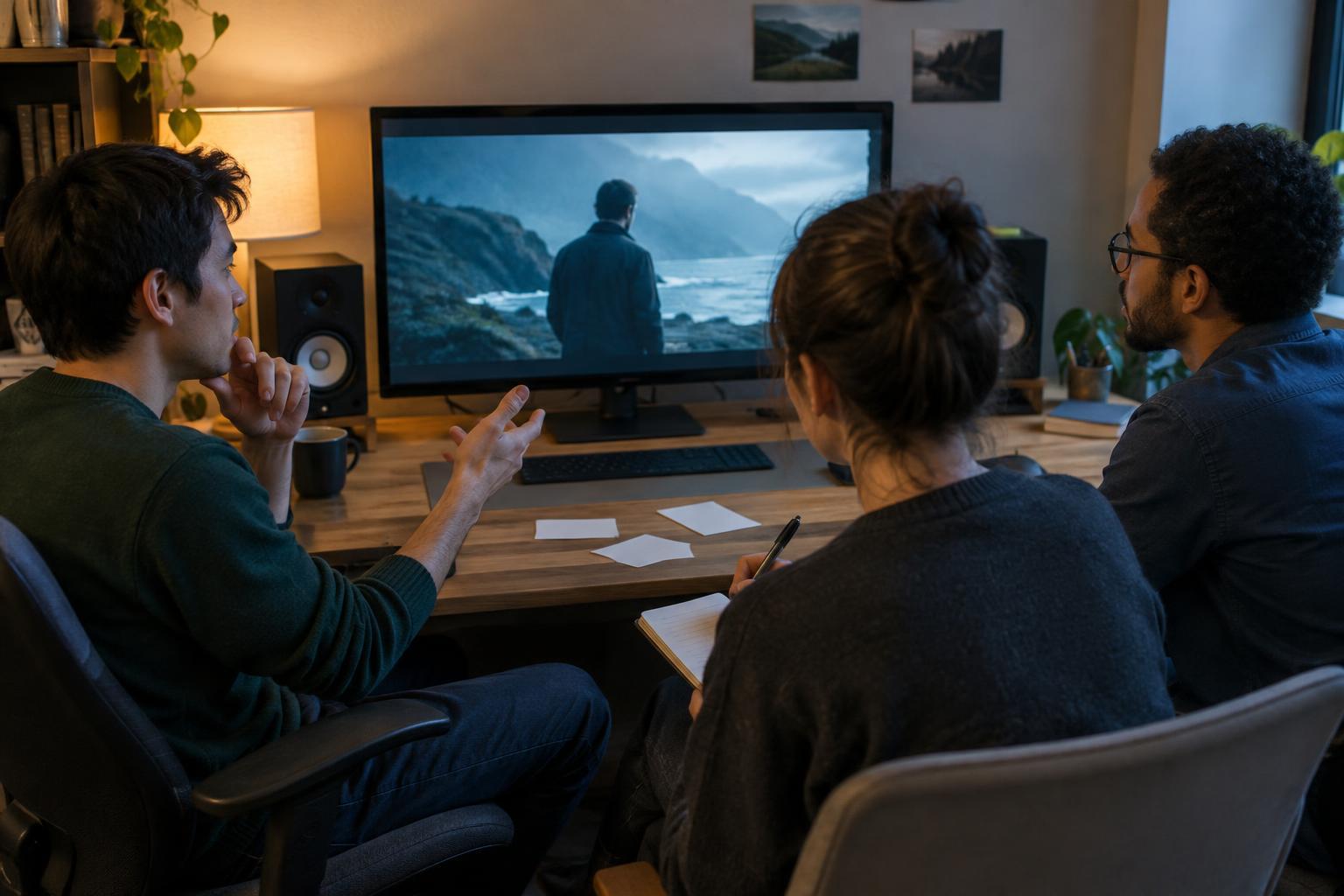
Editing and ProductionA rough cut is ready for questions, not verdicts. Learn how to prepare a screening, invite useful responses, sort conflicting notes and test revisions without losing sight of the film you meant to make.
Read article · 4 min↗
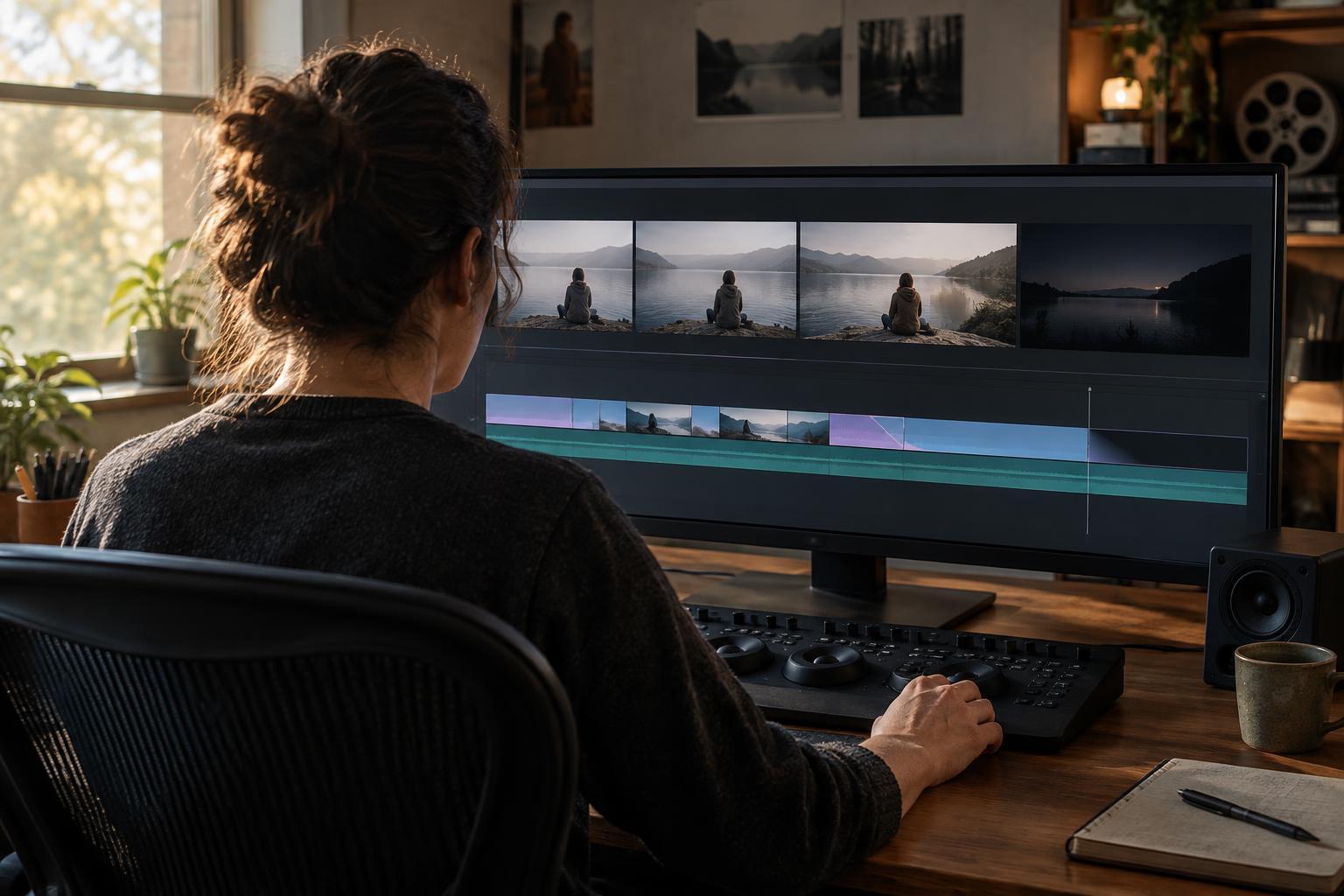
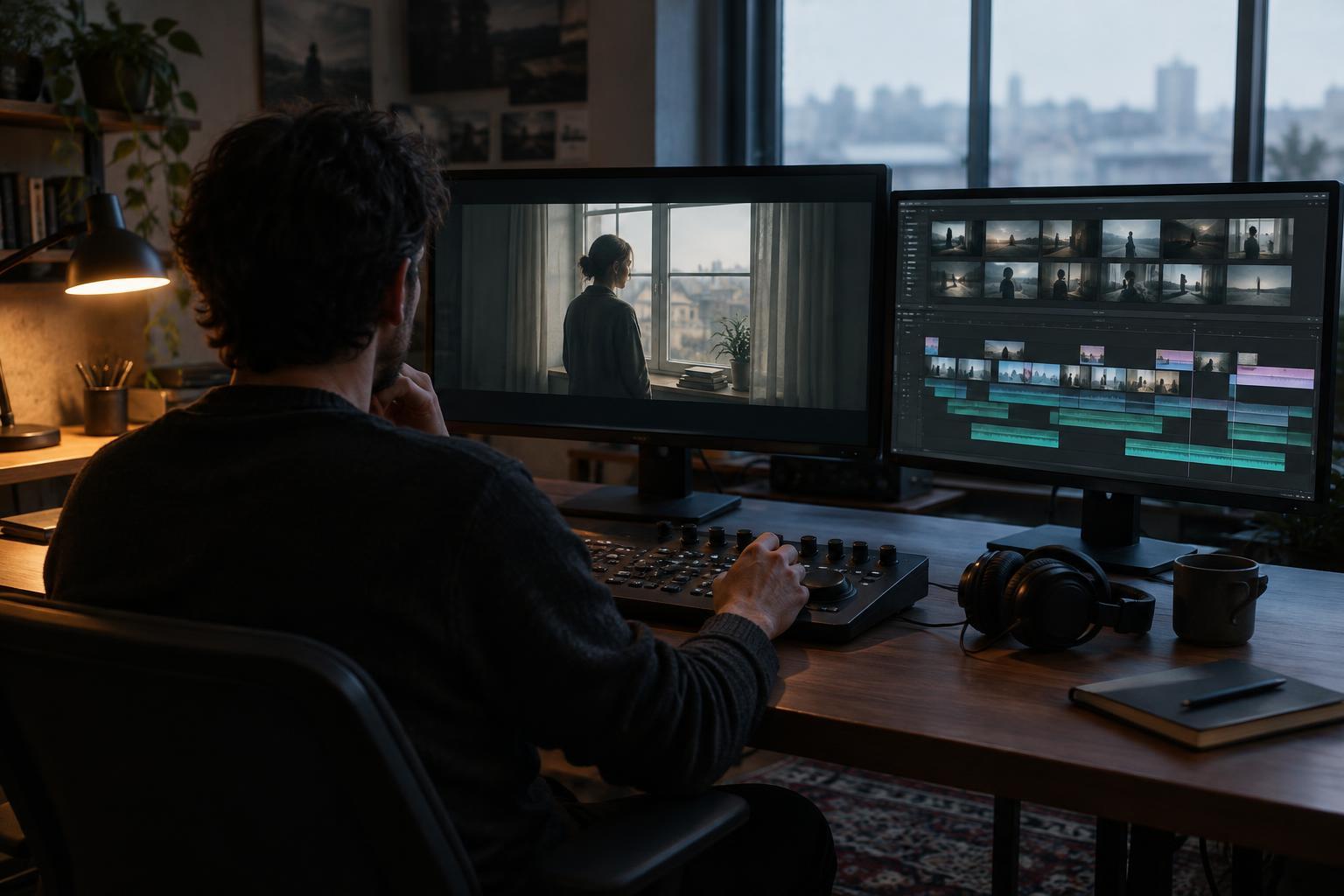
Editing and ProductionA film can be short and still feel slow, or long and remain absorbing. Editing pace depends on how shots, scenes, sound and story information work together—not simply on how often the picture cuts. Here is a practical way to shape rhythm without cutting away the moments an audience needs.
Read article · 4 min↗

Editing and ProductionA dialogue scene is more than a sequence of people taking turns on camera. Learn how to choose between speakers and listeners to shape meaning, preserve performance, and keep a conversation clear.
Read article · 4 min↗
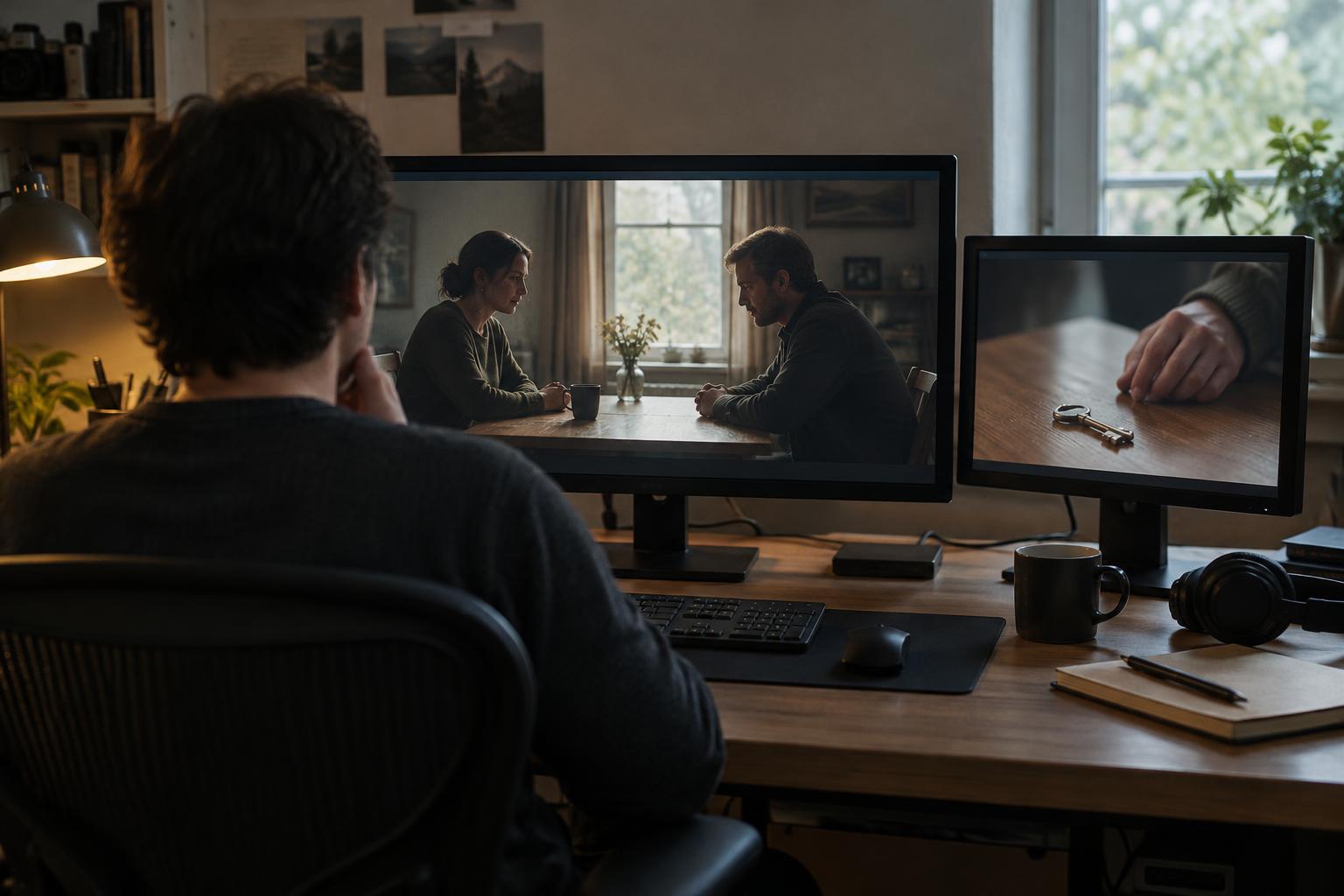
Editing and ProductionA cut to a listening face or a close view of a crucial object can make a scene clearer and more expressive. It can also disguise a problem that still needs solving. Learn how to choose cutaways and inserts for a storytelling purpose, plan them on set, and test whether the scene works without them.
Read article · 4 min↗

Editing and ProductionAn eyeline match connects a character’s look to the thing they seem to see. Learn how framing, screen direction, timing and sound help make that connection clear—and when withholding the answer can be more effective.
Read article · 4 min↗
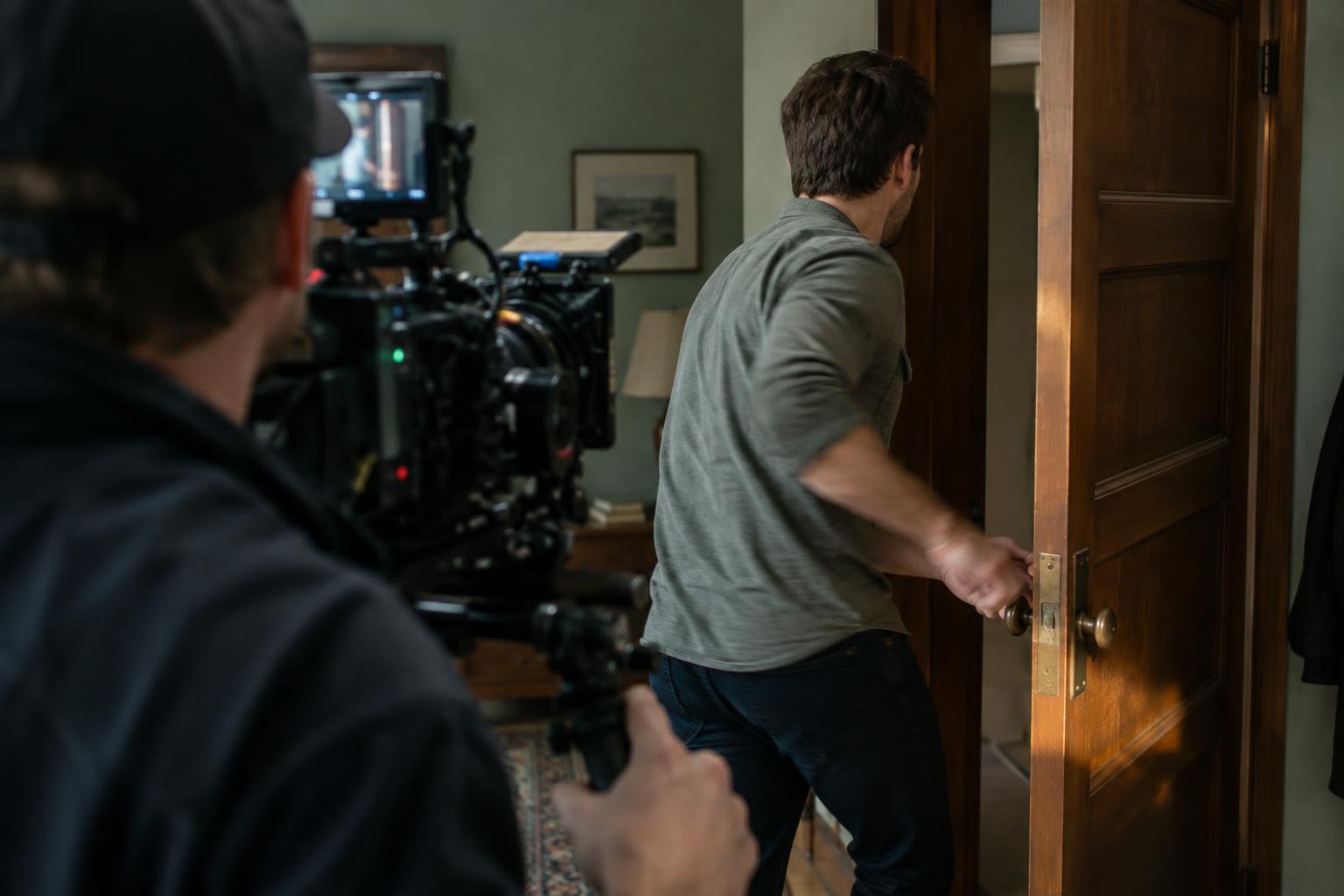
Editing and ProductionA match on action carries a movement from one shot into the next, helping a cut feel like part of the action rather than a pause in it. Learn how to plan overlapping coverage, choose the cut point and solve common continuity problems in the edit.
Read article · 4 min↗
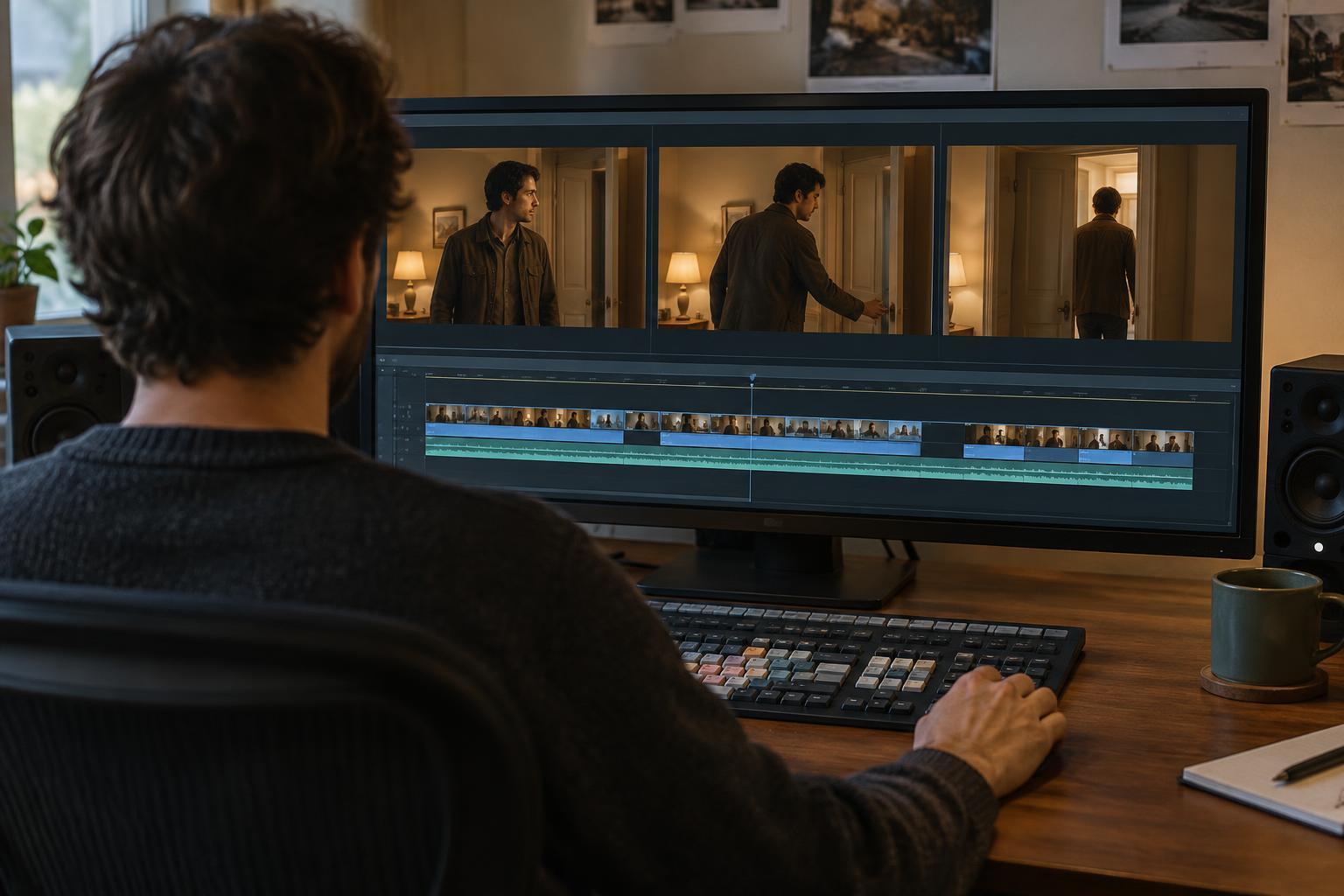
Editing and ProductionContinuity editing gives viewers enough visual and sound cues to understand where people are, when events happen, and how one action leads to another. Learn how to use screen direction, eyelines, match cuts, and sound to make a scene easy to follow—and when to break those patterns deliberately.
Read article · 4 min↗
Editing and ProductionAn assembly cut, a rough cut, and a fine cut answer different questions. Learn what editors focus on at each stage, how to give useful feedback, and why a polished scene is not always a finished film.
Read article · 4 min↗
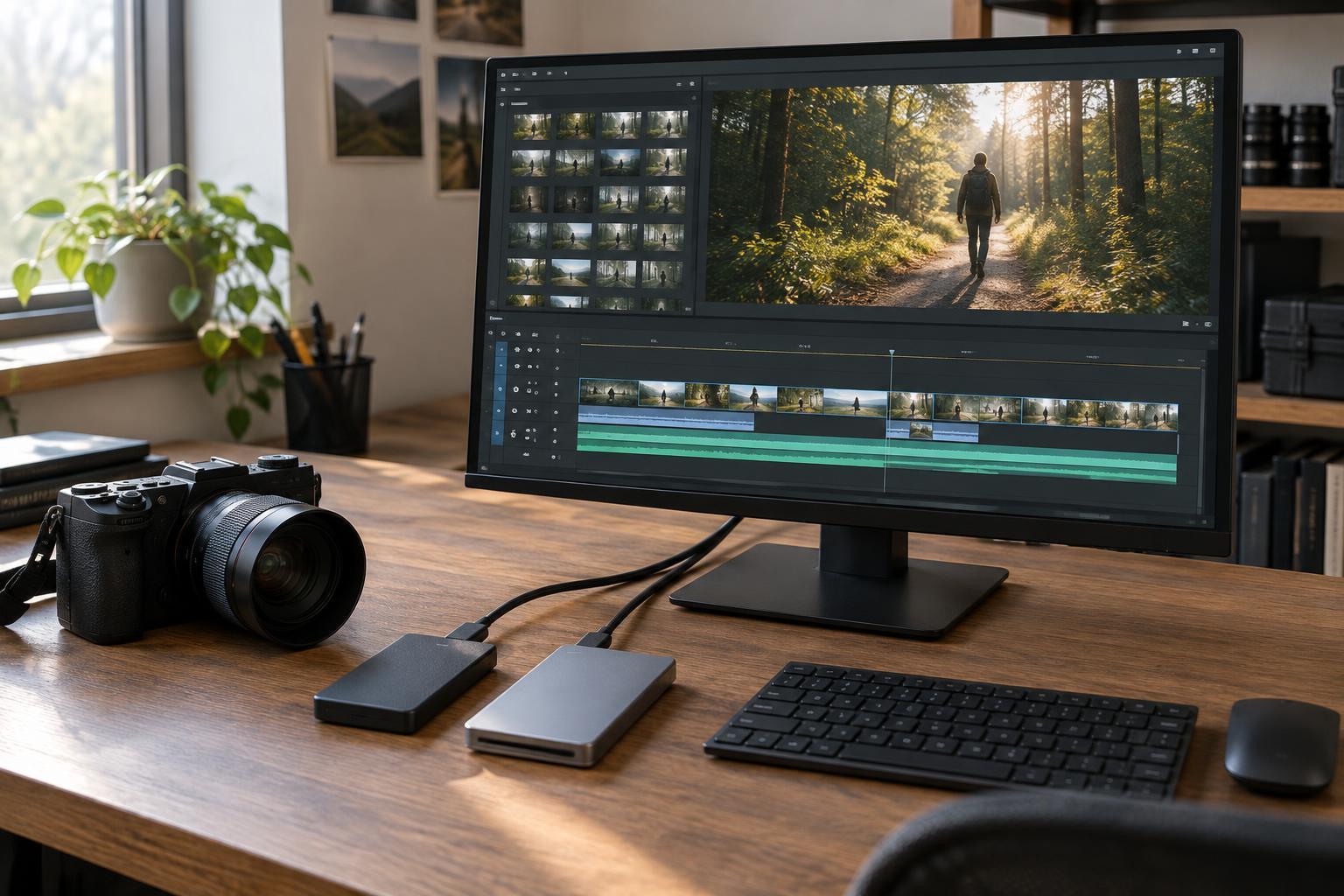
Editing and ProductionProxy files can make a demanding edit feel responsive without replacing the camera originals. Learn when they help, how to create them for a reliable offline workflow, and what to check before exporting from the original media.
Read article · 4 min↗
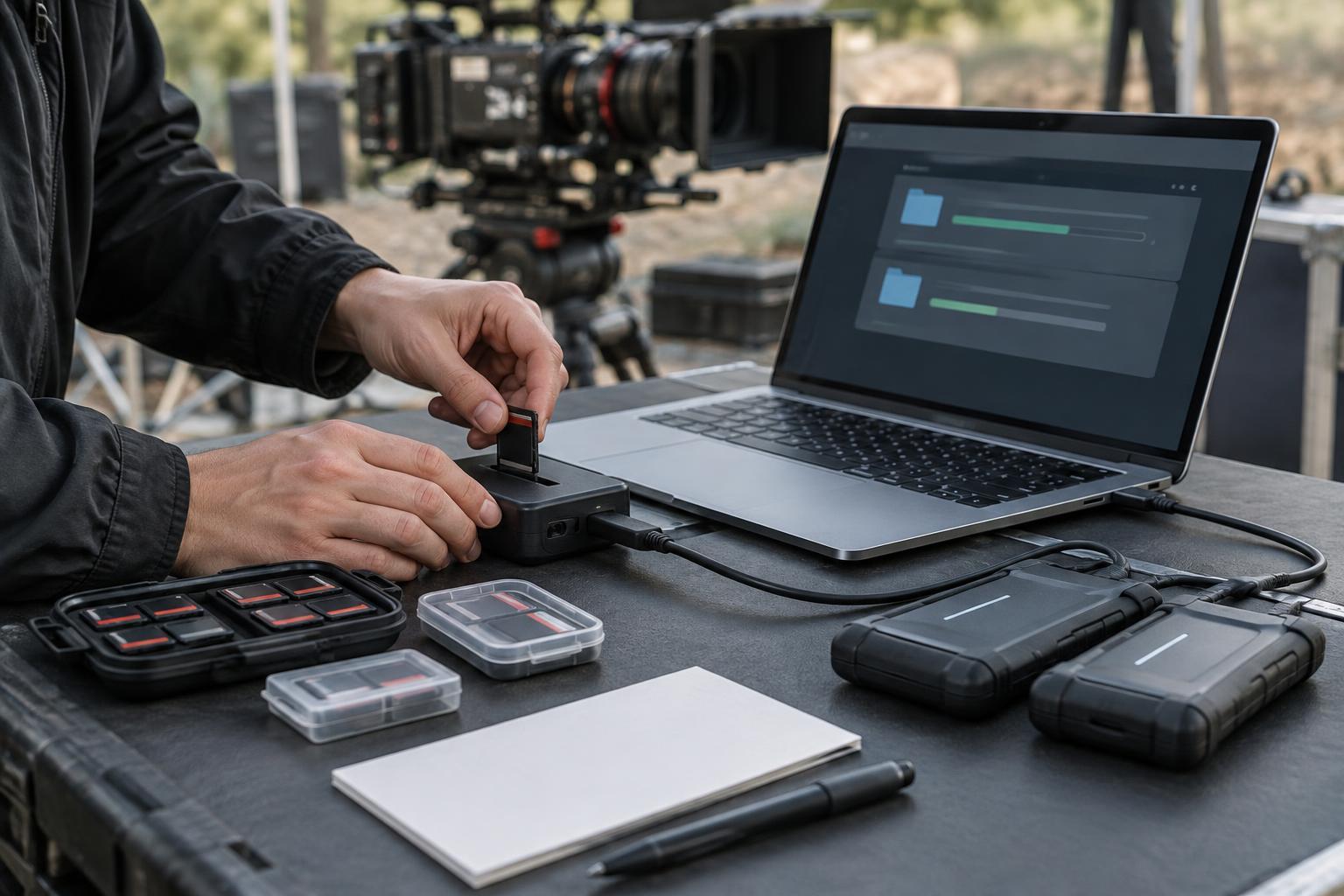
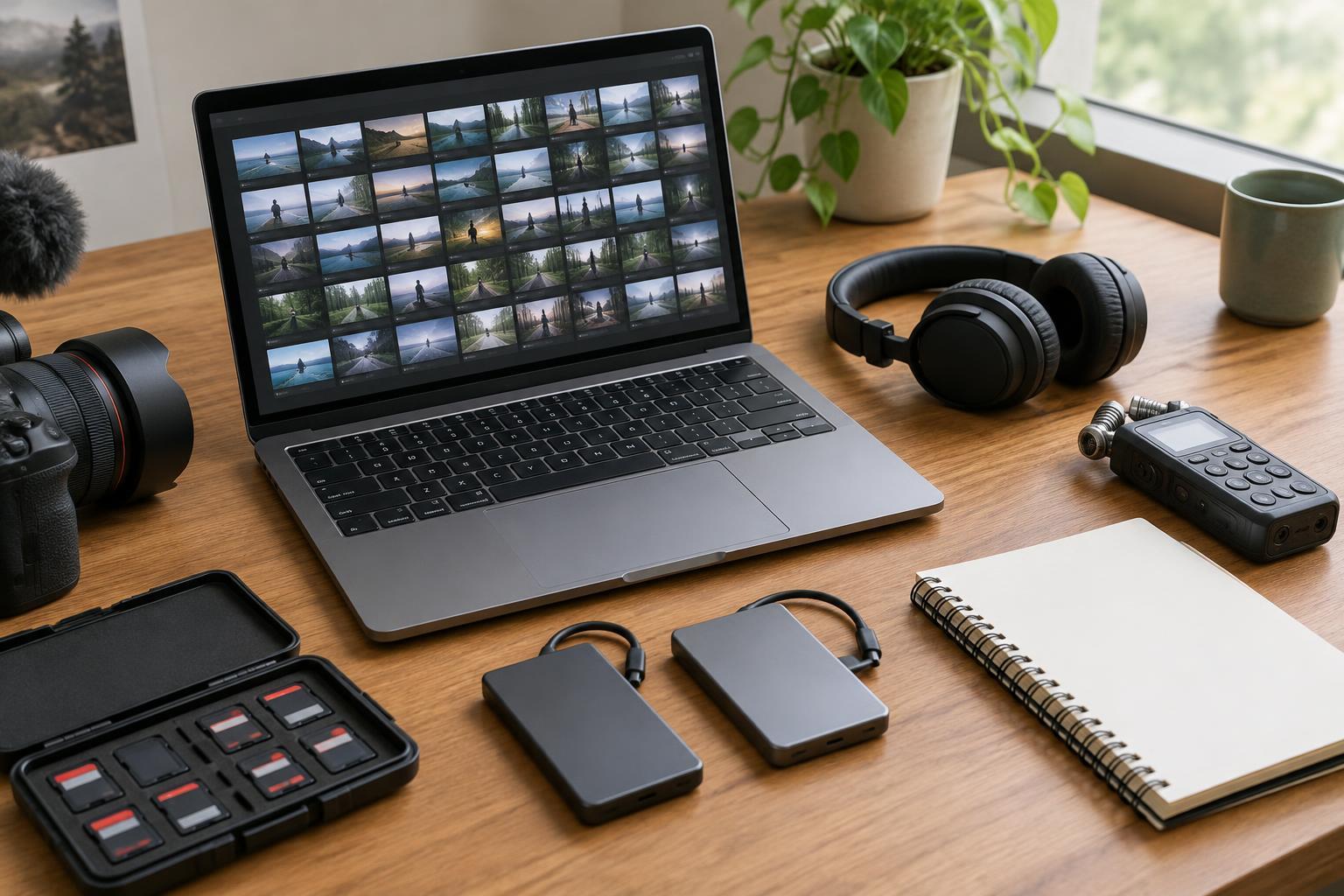
Editing and ProductionA clear folder structure and a few careful ingest habits can make the first day of editing much easier. Learn how to copy and check media, name files, prepare audio and proxies, and keep project versions understandable.
Read article · 4 min↗