A method of storytelling, not a promise of tone
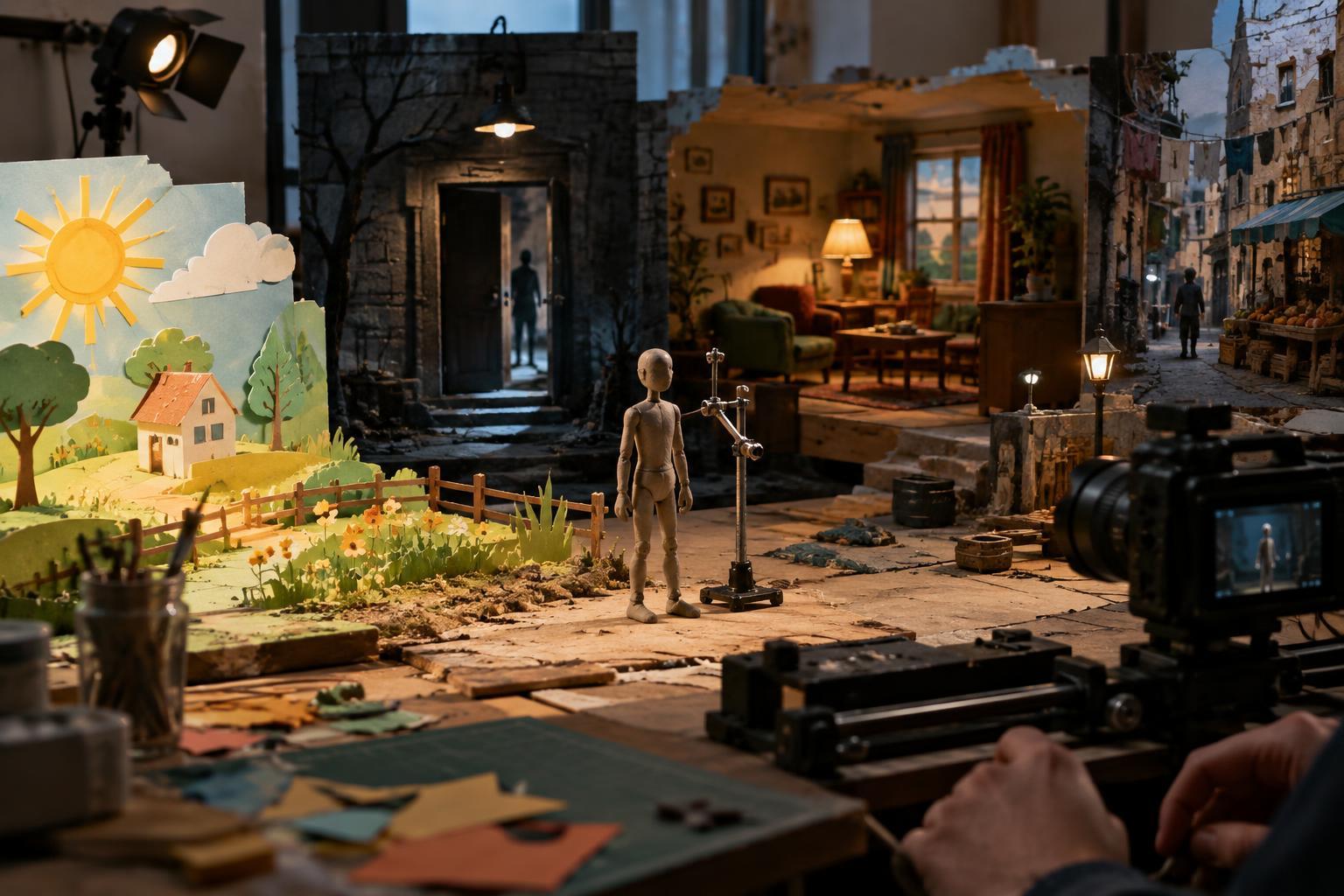
Calling animation a genre is understandable shorthand, but it mixes up two different questions. A medium describes how a work is made and presented. A genre describes the kinds of stories it tells and the expectations those stories invite. Animation brings still images, objects or digital forms into apparent motion. Comedy, horror, romance and mystery describe possibilities for what happens within that motion.
The distinction matters because the word “animated” tells us little about a film’s emotional destination. An animated story might aim for laughter, dread, tenderness or unease. It might be made for children, adults or a mixed audience. Its images might look playful while its subject is difficult, or look severe while its story is gentle. Treating animation as a single genre can make those choices harder to see.
One medium can hold many genres
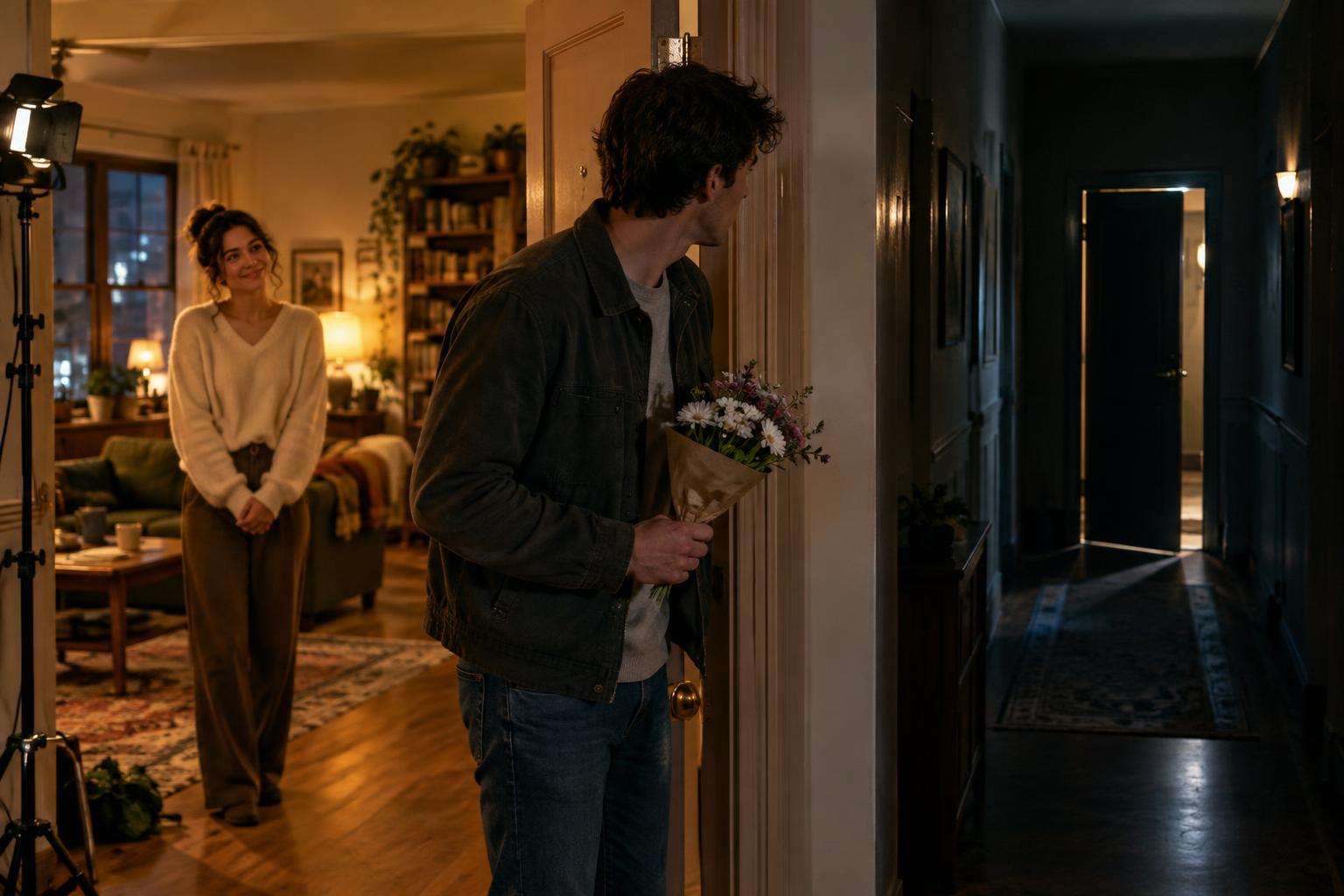
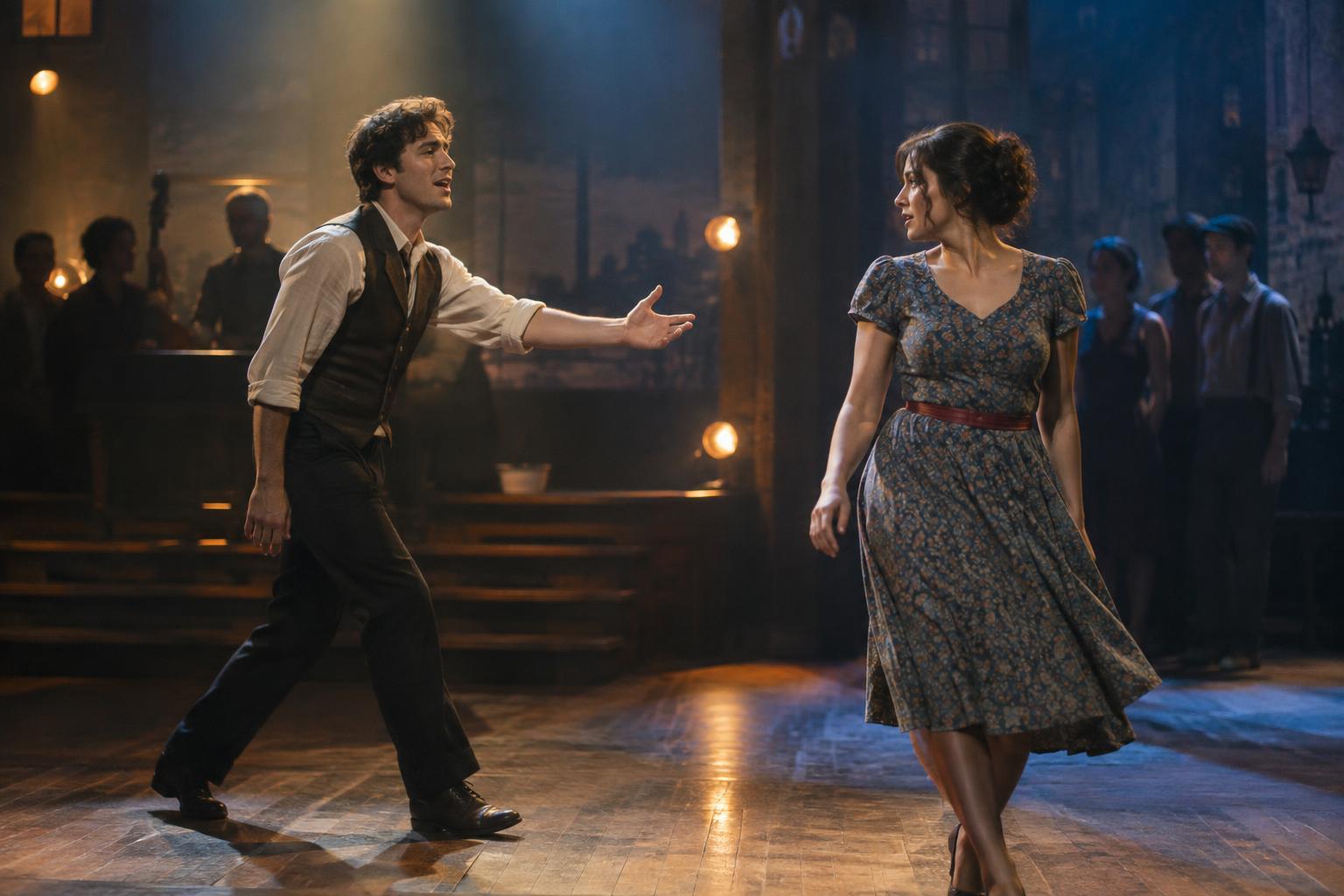
Imagine a chase through a painted city. In a comedy, the pursuit might depend on exaggerated timing and a chain of visual mistakes. In a thriller, the same streets could become a maze of blind corners and withheld information. In a romance, a missed connection might be the point of the chase. All three could be animated with similar tools; their genres would emerge from the conflict, pacing, tone and resolution.
Animation can also cross genre boundaries. A film may use the structure of a mystery while making room for comic detours, or draw on fantasy to tell an intimate family story. Nor does every animated work fit comfortably into a familiar genre. An essay, an abstract experiment or a nonfiction account may use animated images without following the conventions of a conventional plot. Asking “What kind of animation is it?” opens up more useful possibilities than assuming the medium answers the question.
Style changes how a story feels
Separating medium from genre does not mean ignoring technique. Animation gives filmmakers control over shape, movement, space and the degree of realism. A character can stretch beyond the limits of a body, a room can shift to reflect a feeling, and a cut can transform one object into another. Those possibilities can support many genres, but they do not belong exclusively to any one of them.
Consider a dark hallway. Sparse movement and uncertain shadows might make it frightening; bouncy timing and a sudden reveal might turn it into a joke. Sound matters just as much. A held silence, a distant scrape or a brisk musical cue can redirect the audience’s expectations before anything enters the frame. When discussing an animated film, it helps to ask how its design, motion, editing and sound serve the particular experience it is trying to create.
Why the label affects audiences and criticism
Labels help people decide what to watch, but they can also narrow what people expect. If “animated” is treated as a complete description, a viewer may assume a tone or age group before learning anything about the story. More specific descriptions offer a better guide: an animated mystery, an animated family comedy or an animated experimental film each suggests a different experience.
The same care improves criticism. Judging every animated film by whether it is colorful, fast or lighthearted overlooks films pursuing other goals. A better starting point is to ask what expectations the film establishes, then examine how its choices fulfill or challenge them. Does a stylized image clarify an emotion? Does an unusual movement make a character more expressive or more distant? These questions take the work seriously without assuming that one visual approach has a single purpose.
A useful distinction for filmmakers
For an emerging creator, thinking of animation as a medium encourages decisions in the right order. Start with the experience you want the audience to have and the story structure that can support it. Then consider what animation lets you show, hide, simplify or transform. A frightening scene may need restraint rather than constant motion. A quiet drama may gain power from a small change in expression. A comic moment may depend on a pause more than an elaborate design.
Genre provides a set of audience expectations; animation provides a range of ways to engage with them. Neither makes the creative decisions on its own. Naming the difference gives viewers a clearer way to choose films and gives filmmakers a sharper question to work with: not simply “Why animate this?” but “What can these animated choices make the audience feel, notice or understand?”