Start with opposition, not villainy
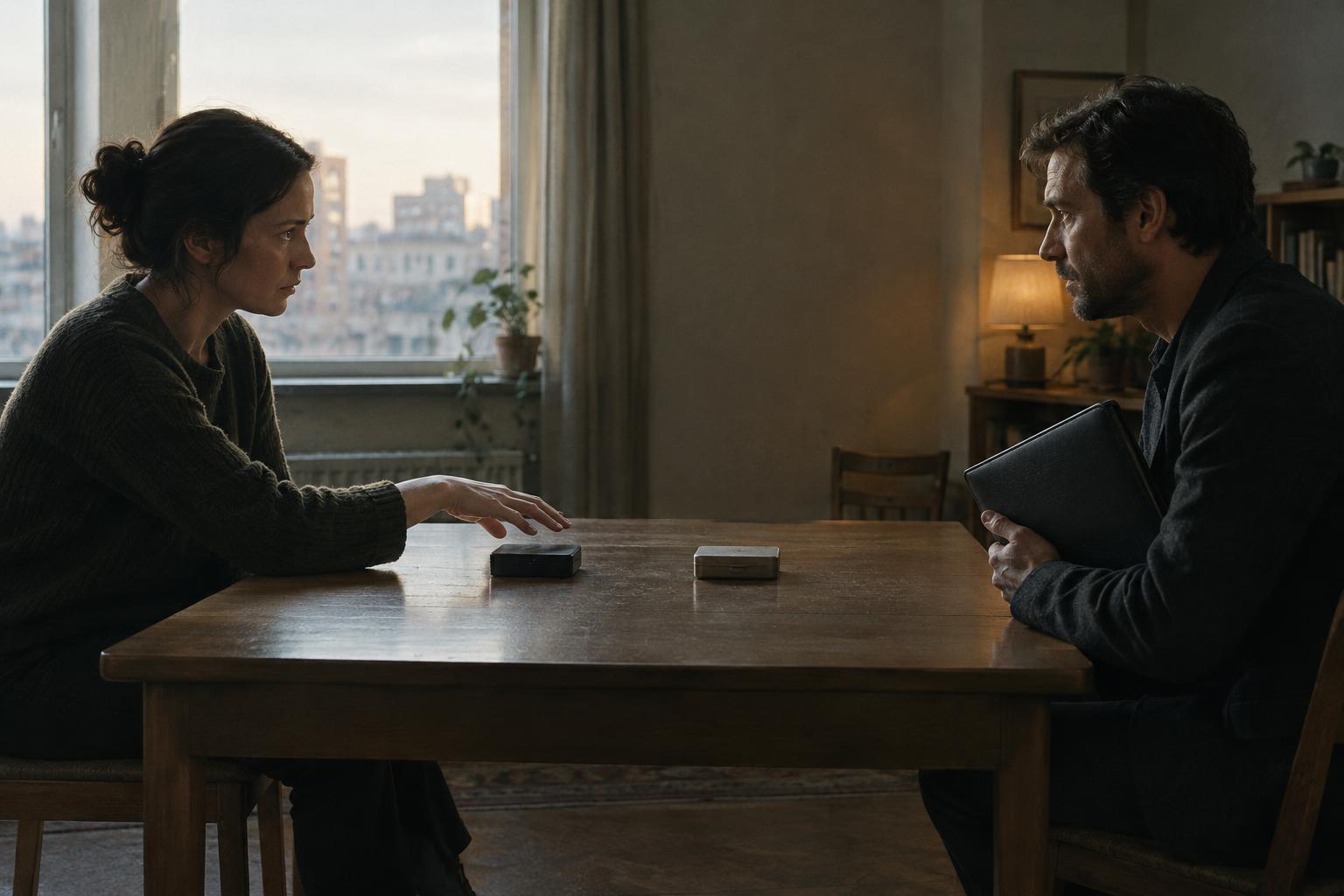
An antagonist is the force that actively opposes the protagonist’s pursuit of a goal. That force might be a person, a group, or an institution represented by people who can make decisions. It need not be cruel or even wrong about everything. What matters on the page is that its actions make the protagonist’s intended path harder to follow.
Define the conflict in concrete terms before writing confrontations. If the protagonist wants to keep a community cinema open, perhaps the opposing developer wants the building cleared by a deadline. Both sides can explain what they want, but neither can get it while the other succeeds. That incompatibility gives scenes a reason to happen. A character who merely dislikes the protagonist may create unpleasant conversations without creating a story.
Give the opposing force a workable plan
An antagonist becomes more convincing when they pursue their goal through specific steps. List what they can control: access to a place, information, another person’s cooperation, or a decision the protagonist needs. Then ask what they would do first if the protagonist did nothing. This keeps the antagonist from appearing only when the plot needs an obstacle.
For the cinema story, the developer might schedule an inspection, persuade a tenant to leave, and offer the protagonist a job elsewhere. Each move serves the same goal, but each demands a different response. The job offer is especially useful because it is not simply an attack. Accepting it could solve one immediate problem while abandoning the larger fight. Opposition gains dramatic weight when it can offer something the protagonist genuinely wants.
Make tactics change as the protagonist adapts
Repeated confrontations become predictable if the antagonist always uses the same threat. Track the protagonist’s response to each move, then let the opposing force adjust. If a public appeal defeats a private warning, the antagonist may change the terms of the public debate. If the protagonist secures an ally, the antagonist may approach that ally with a competing offer. The next obstacle should grow from what both sides have already learned.
This does not require the antagonist to be a flawless strategist. A mistake can be valuable if it exposes a blind spot or creates a new problem. The developer might underestimate how much the cinema matters to its neighbors, then respond too aggressively when they organize. The resulting setback tells us something about the antagonist while giving the protagonist an opening. Cause and effect make the conflict feel active rather than arbitrary.
Use pressure to expose the protagonist’s values
The strongest opposition does not merely delay a goal; it makes the protagonist decide what they are willing to sacrifice for it. Look for a point where two worthwhile commitments collide. To save the cinema, the protagonist might need to reveal information a friend shared in confidence. A scene built around that choice can advance the external struggle and reveal character at the same time.
Avoid making every choice an obvious test between good and evil. Give the antagonist a reasonable argument for at least some of their actions, without requiring the audience to agree. The developer may believe a new use for the building would benefit more people. That belief does not settle the dispute, but it prevents the conflict from depending entirely on one side behaving foolishly. Let actions, consequences, and competing priorities carry the disagreement.
Check the antagonist’s effect in a scene pass
After drafting, read only the scenes in which the opposing force acts or its earlier actions have consequences. For each one, note what the antagonist wants, what tactic they use, what the protagonist does in response, and what changes afterward. If several scenes leave both sides in the same position, consider combining them or replacing a repeated threat with a new move.
Finally, test the climax against the conflict you established. The protagonist’s final action should answer the pressure the antagonist has applied, rather than succeed because the opposition abruptly becomes careless. A satisfying outcome need not defeat the antagonist completely. It should show a meaningful choice made under the story’s hardest conditions—and make clear why that choice was difficult.