Three cuts, three different questions
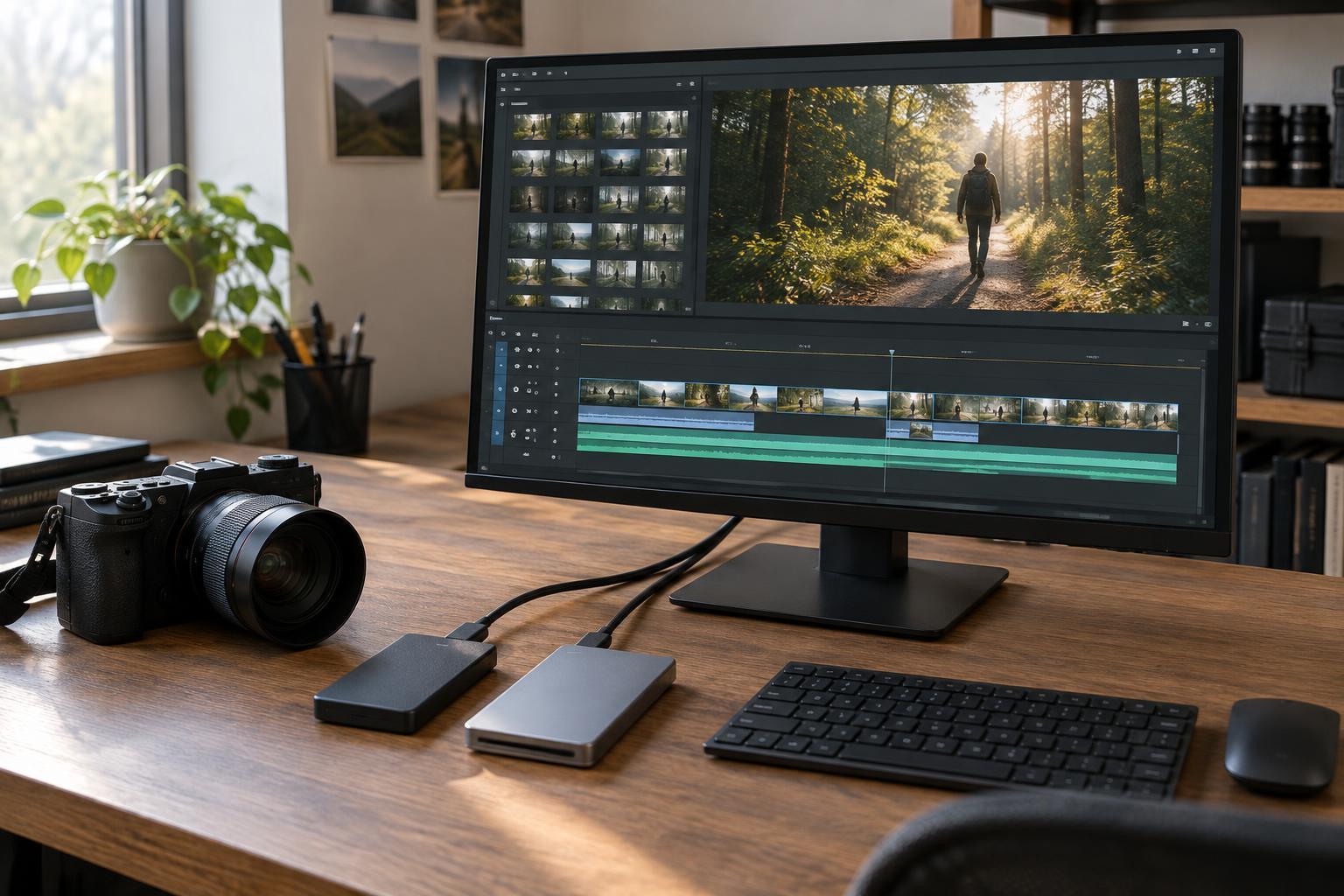
Editing rarely moves in a straight line from raw footage to a finished film. Editors build a version, watch it, discover what is missing or repetitive, and rebuild it. The terms assembly cut, rough cut, and fine cut describe useful stages in that process, though teams may define their boundaries differently. They are not three levels of visual polish. Each stage is a chance to solve a different kind of problem.
An assembly asks, “What do we have?” A rough cut asks, “Does the story work?” A fine cut asks, “Does each choice serve the story as well as it can?” Keeping those questions separate can save time. There is little value in perfecting a transition if the scenes on either side may be removed. Likewise, a story that already works can be weakened by continuing to make large changes when it needs only careful adjustments.
Assembly cut: put the material in order
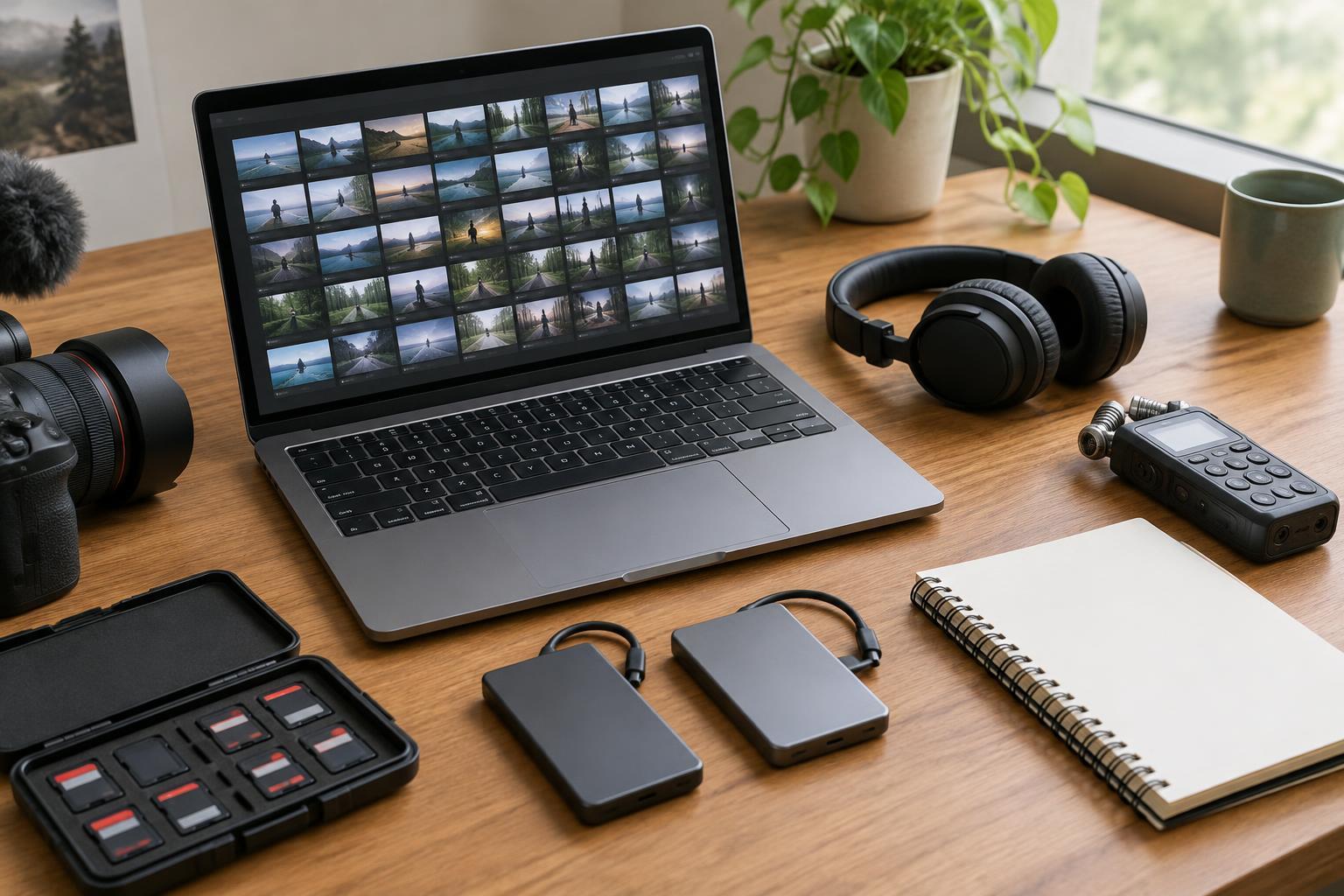
An assembly cut is a first pass that places the usable footage into a broad sequence. For a scripted film, it often follows the screenplay or shooting order closely enough to show how the planned scenes fit together. The editor may choose promising takes, include more dialogue than the final version needs, and leave gaps where an insert, effect, or sound element is not yet available. Clear labels and temporary placeholders make those gaps easier to understand.
Assemblies can feel long, uneven, or awkward. That does not mean the film has failed. Their value is in making the material watchable as a whole. A scene that seemed essential on the page may repeat information the audience already understands; a quiet reaction may carry more weight than expected. At this stage, focus on coverage, continuity, and the overall path from beginning to end. Note problems, but resist judging every pause or unfinished sound cue as a final creative decision.
Rough cut: shape the story and its rhythm
In the rough cut, the editor begins making stronger choices about structure and emphasis. Scenes may move, shorten, or disappear. Within a scene, an editor might enter later, leave earlier, hold on a listener instead of a speaker, or let a moment play without cutting. The aim is not simply to make everything faster. A film needs enough time for the audience to grasp information, feel a change, and anticipate what might happen next.
Temporary music, basic sound effects, and simple visual treatments can help a rough cut communicate intent, but they can also hide weaknesses. If a scene works only when a dramatic track tells viewers how to feel, it may be worth watching without that track. Feedback is most useful when it describes an experience: “I lost track of why the character left” gives the editor a problem to investigate. “Cut five seconds here” proposes a solution without necessarily identifying the cause.
Fine cut: refine choices before finishing
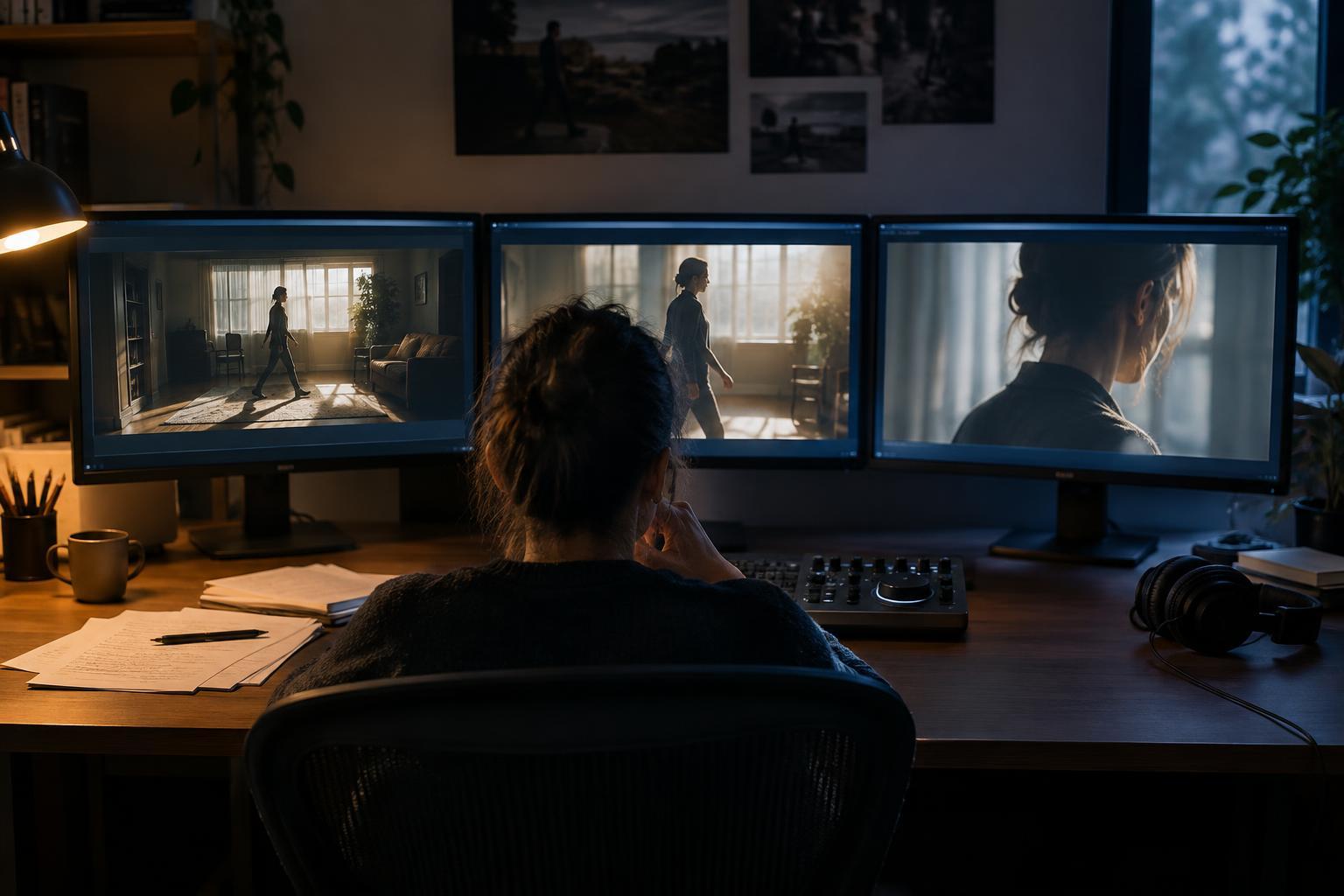
A fine cut generally has its major scenes and story order in place. Attention turns to the precision of individual edits: whether a glance arrives at the right moment, whether a pause feels tense or merely empty, and whether one shot prepares the viewer for the next. Editors may adjust a cut by a few frames, refine transitions between scenes, or revisit performance choices in the context of the whole film.
“Fine” does not mean finished. Dialogue may still need cleaning, music may be temporary, and color and effects may be incomplete. Sound can affect timing, so editors and sound collaborators may test how an ambience or a moment of silence changes a scene before calling the picture settled. Once the team agrees that the timing and shot choices are stable, the project can move toward picture lock and finishing. Even then, changes can happen; they simply become more disruptive because other work depends on that cut.
Make feedback fit the stage
A productive review starts by telling viewers what they are watching. For an assembly, ask whether they can follow the sequence of events and where information seems absent. For a rough cut, ask where their attention drifts, where a character’s choice feels unclear, and which moments stay with them. For a fine cut, ask about specific points of confusion or distraction that remain after the larger story questions have been addressed.
When collecting notes, separate observations from proposed fixes. Several viewers noticing the same confusing beat is valuable even if they suggest different remedies. Keep version names clear, record decisions, and avoid sending conflicting notes through separate conversations. Most importantly, compare a cut with its purpose, not with a finished film. An assembly should reveal possibilities, a rough cut should test the storytelling, and a fine cut should prepare that storytelling to hold up through the final work on sound, color, and delivery.