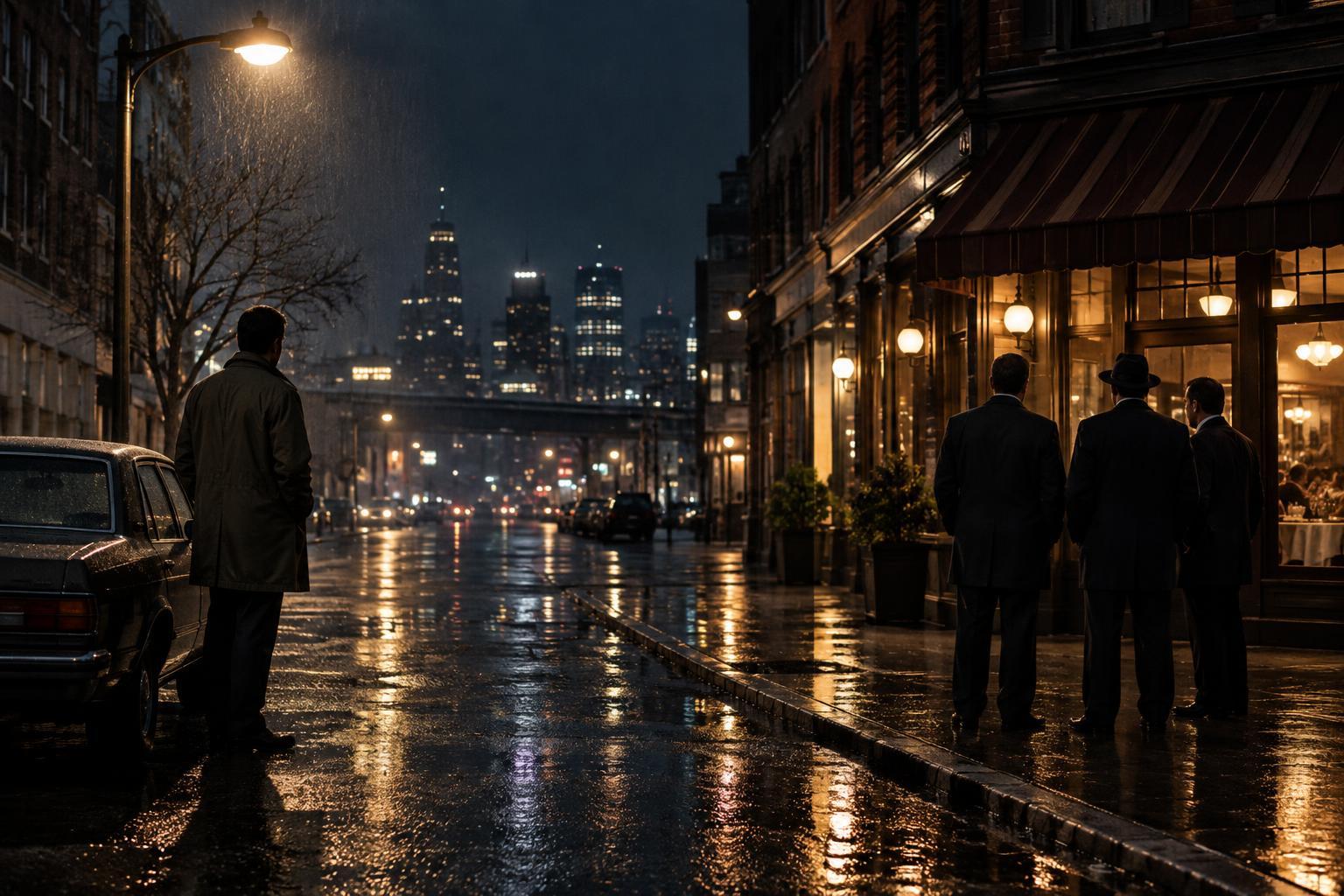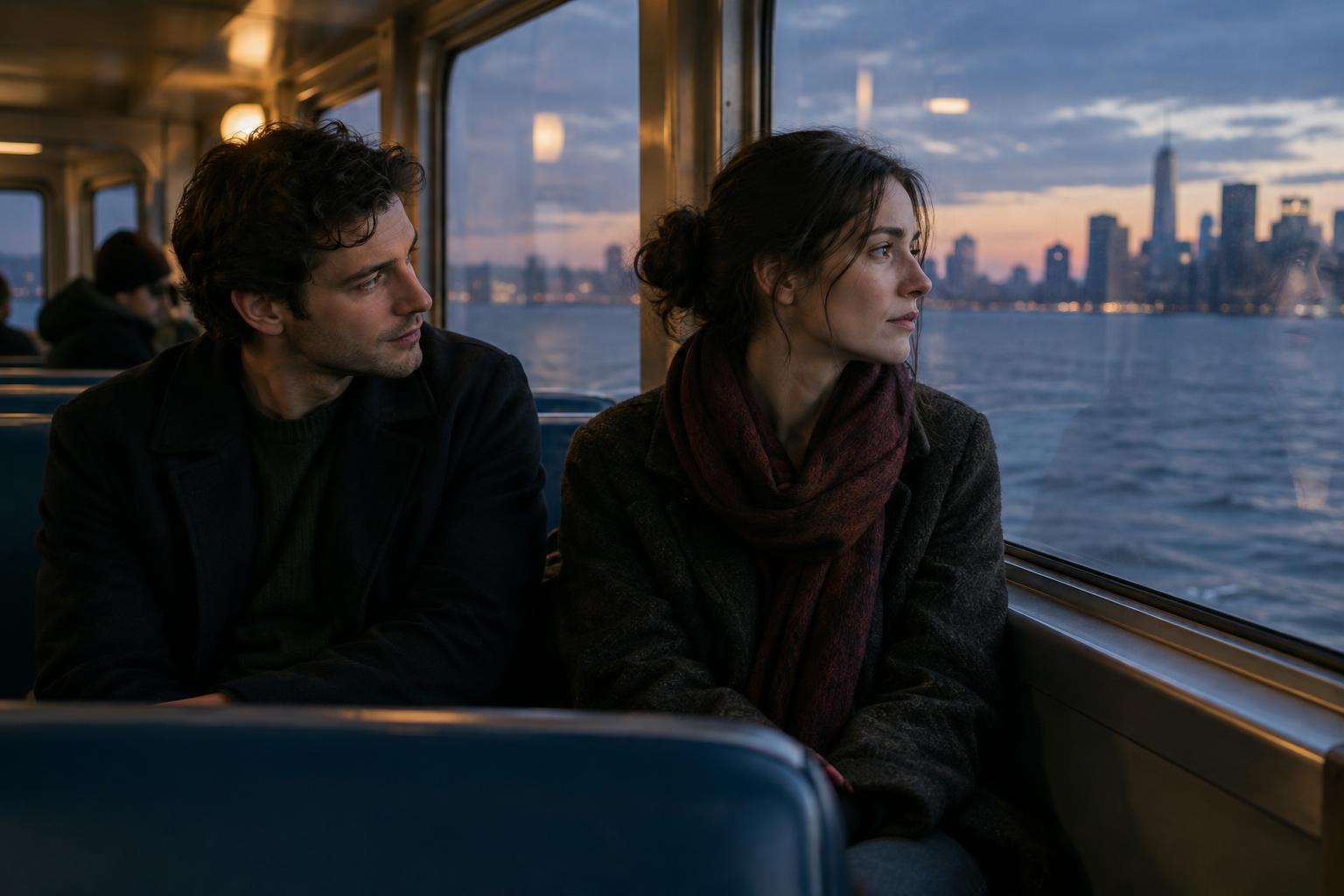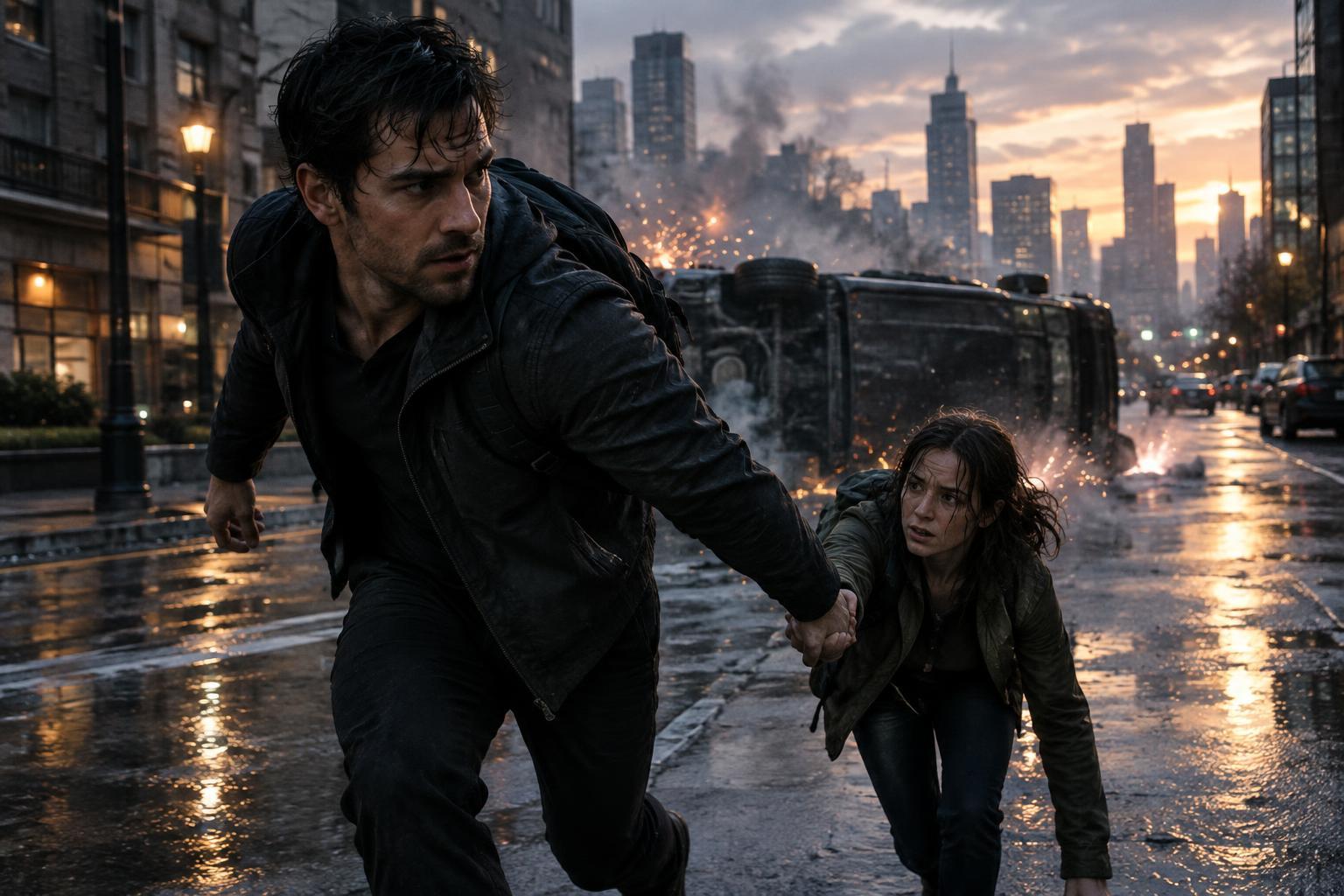
Spectacle gives the audience something to feel
Action cinema can make movement feel larger than life. A narrow escape, a rooftop pursuit or a fight in a crowded room asks viewers to track bodies, obstacles and split-second choices. Speed and scale are part of the pleasure: we can admire a surprising maneuver or feel the force of a sudden reversal. Yet a sequence does not have to be enormous to work. One person trying to cross a room unseen can be gripping if every step carries a risk.
Spectacle is most effective when it expresses the story rather than interrupting it. Consider a character racing through a station to stop someone from leaving. The location offers motion and visual variety, but the scene becomes involving because the audience understands what missing that person would mean. The chase turns an emotional problem into a physical one. Without that connection, even elaborate movement may register as activity rather than drama.
Stakes turn danger into a question
Stakes are the consequences of success or failure. They might involve survival, but they can also be personal: losing a friend’s trust, exposing a secret or choosing which promise to keep. The audience needs enough information to ask a simple question, such as “Can they get the evidence out before the door closes?” A clear question makes each obstacle legible. It also gives viewers a reason to care about the answer beyond the mechanics of the scene.
The strongest stakes often change as an action sequence unfolds. An attempted rescue may begin as a problem of reaching someone, then become a choice between saving them and protecting a stranger. That shift does not require a longer or louder set piece. It requires the character to make a decision that reveals priorities. When action forces a choice, the outcome can matter even if viewers never doubted that the central character would survive.
Clarity makes intensity possible
To feel suspense, viewers usually need a working sense of where people are, what they want and what stands in their way. A doorway established early can become the only escape route later. A dropped key can change who controls the room. These details give movement a readable cause and effect. The audience can then anticipate trouble, notice an opportunity before a character does and understand why a small delay is dangerous.
Clarity does not mean showing everything or slowing every moment down. A sudden cut, a partially obscured threat or a burst of chaotic sound can convey disorientation when the scene has already established a baseline. The contrast is what gives confusion its purpose. If every beat is equally hard to follow, viewers may lose track of the choices that make the action dramatic. An intense sequence can feel faster when its essential information remains easy to grasp.
Consequences carry spectacle beyond the set piece
An action scene gains weight from what happens afterward. A character might escape but leave behind an object they need, attract unwanted attention or realize that their plan harmed someone else. Such consequences prevent a sequence from feeling sealed off from the rest of the film. They also give the next scene fresh pressure. The physical event is over, but its effects continue to shape relationships and decisions.
This is why a smaller confrontation can be more memorable than a vast battle. If a brief scuffle costs a character an ally, it changes the story’s possibilities. By contrast, repeated destruction can lose impact when no one responds to it and nothing changes. Viewers do not need every action to have a tragic outcome. They do need a sense that choices and events leave a mark on the world of the film.
A useful way to watch an action scene
The next time an action sequence holds your attention, try separating its physical problem from its dramatic one. What must the character do right now? What might they lose if they fail? Which detail helps you understand the space, and which beat changes your expectation of what will happen? These questions can reveal why a modest scene feels exciting or why an expensive-looking one feels distant.
Stakes and spectacle are not competing ingredients. Spectacle makes pressure visible and audible; stakes give that pressure meaning. When an action film aligns the two, a leap is more than a stunt and an escape is more than a change of location. Each movement becomes part of a story about what the characters value, what they are willing to risk and what their choices will cost.