
Cinema and GenresDocumentary and fiction can use the same cameras, cuts and sound techniques, but they make different promises to viewers. Understanding those promises helps audiences watch more closely and filmmakers make more deliberate choices.
Read article · 4 min↗
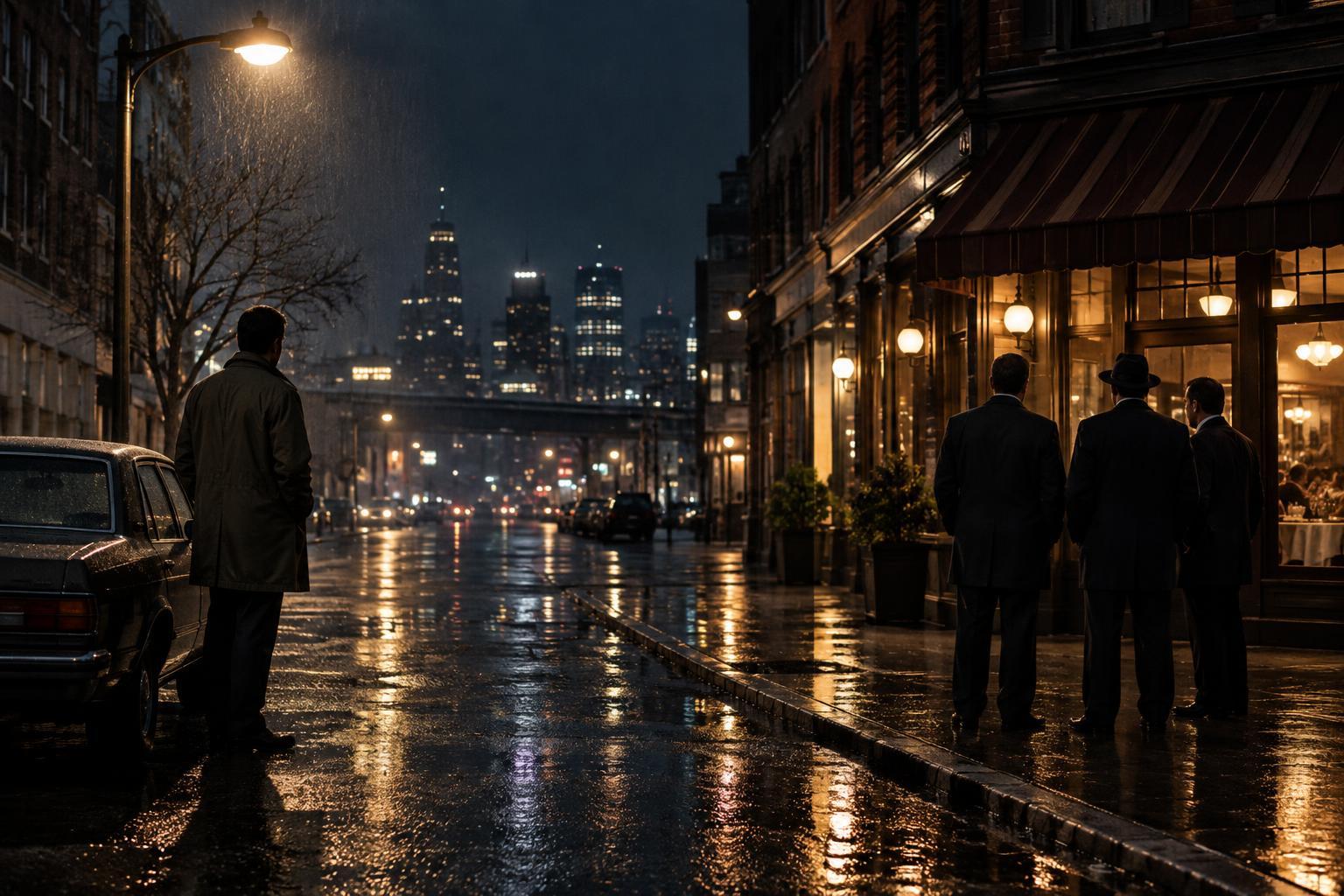
Cinema and GenresCrime films and gangster films often share robberies, betrayals and dangerous choices, but they do not always tell the same kind of story. This beginner’s guide explains how the broad crime category differs from the more focused gangster tradition, and what to look for when the two overlap.
Read article · 4 min↗

Cinema and GenresA romance film is not defined solely by whether its couple stays together. Its deeper conventions lie in attraction, obstacles, changing expectations and the choice to become vulnerable. Understanding those elements makes room for stories that end in commitment, separation or something less certain.
Read article · 4 min↗

Cinema and GenresMelodrama makes feelings vivid through heightened situations and expressive film style. Realist drama often lets emotion emerge from ordinary behavior and unresolved moments. Understanding how each approach works can sharpen both film viewing and storytelling.
Read article · 4 min↗

Cinema and GenresFilm comedy is more than a collection of jokes. Slapstick uses bodies and space, screwball comedy turns conflict into rapid exchange, parody plays with familiar forms, and satire makes social behavior the target. This guide explains how these approaches work on screen and why a film can use several at once.
Read article · 4 min↗
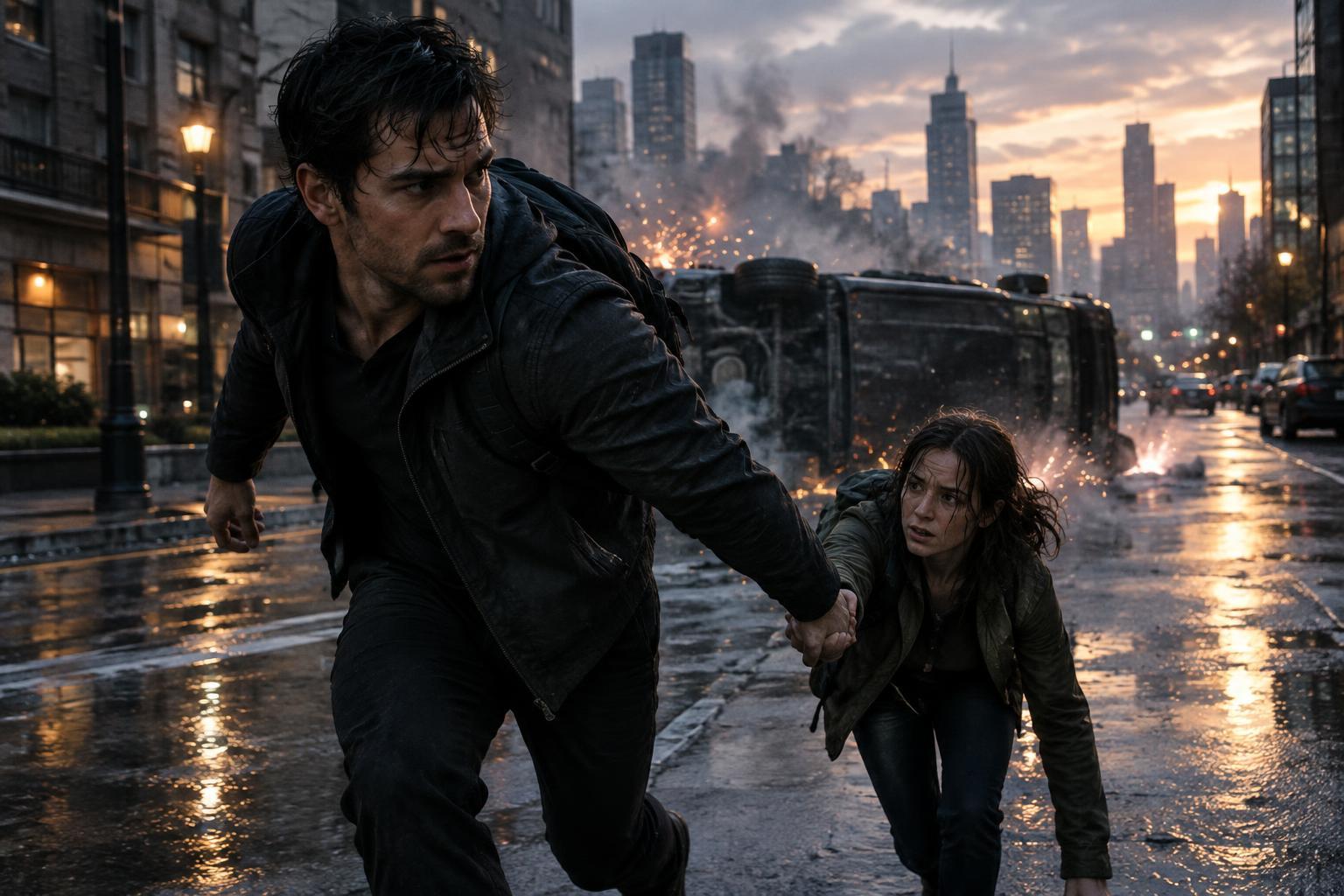
Cinema and GenresA chase, fight or explosion can seize our attention, but scale alone rarely makes an action scene memorable. Explore how clear stakes, visual storytelling and the consequences of spectacle work together to keep viewers invested.
Read article · 4 min↗
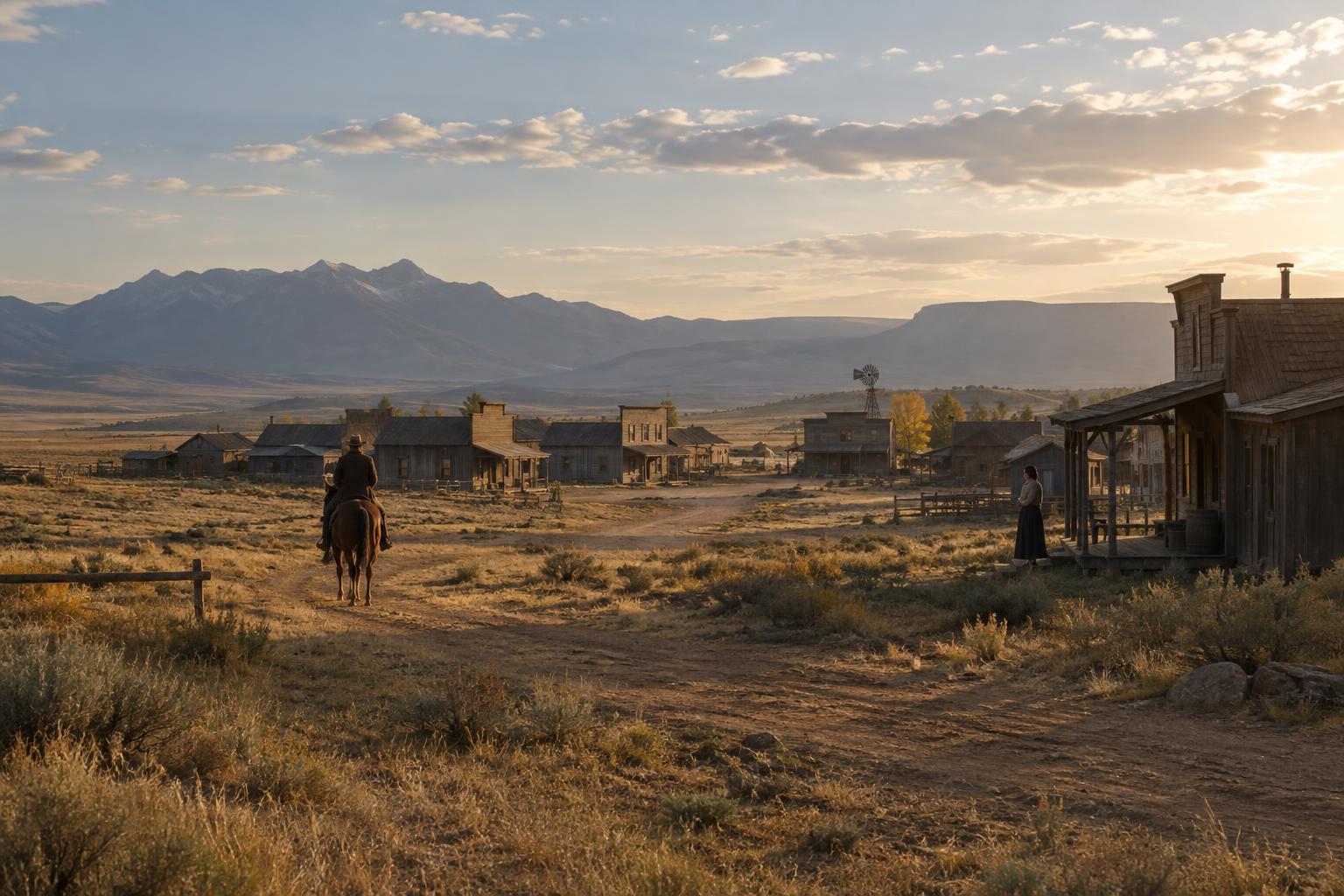
Cinema and GenresThe Western is more than a story about a lone rider and a dusty town. Its familiar settings and characters offer a way to examine freedom, violence, belonging, and the stories communities tell about their origins.
Read article · 4 min↗
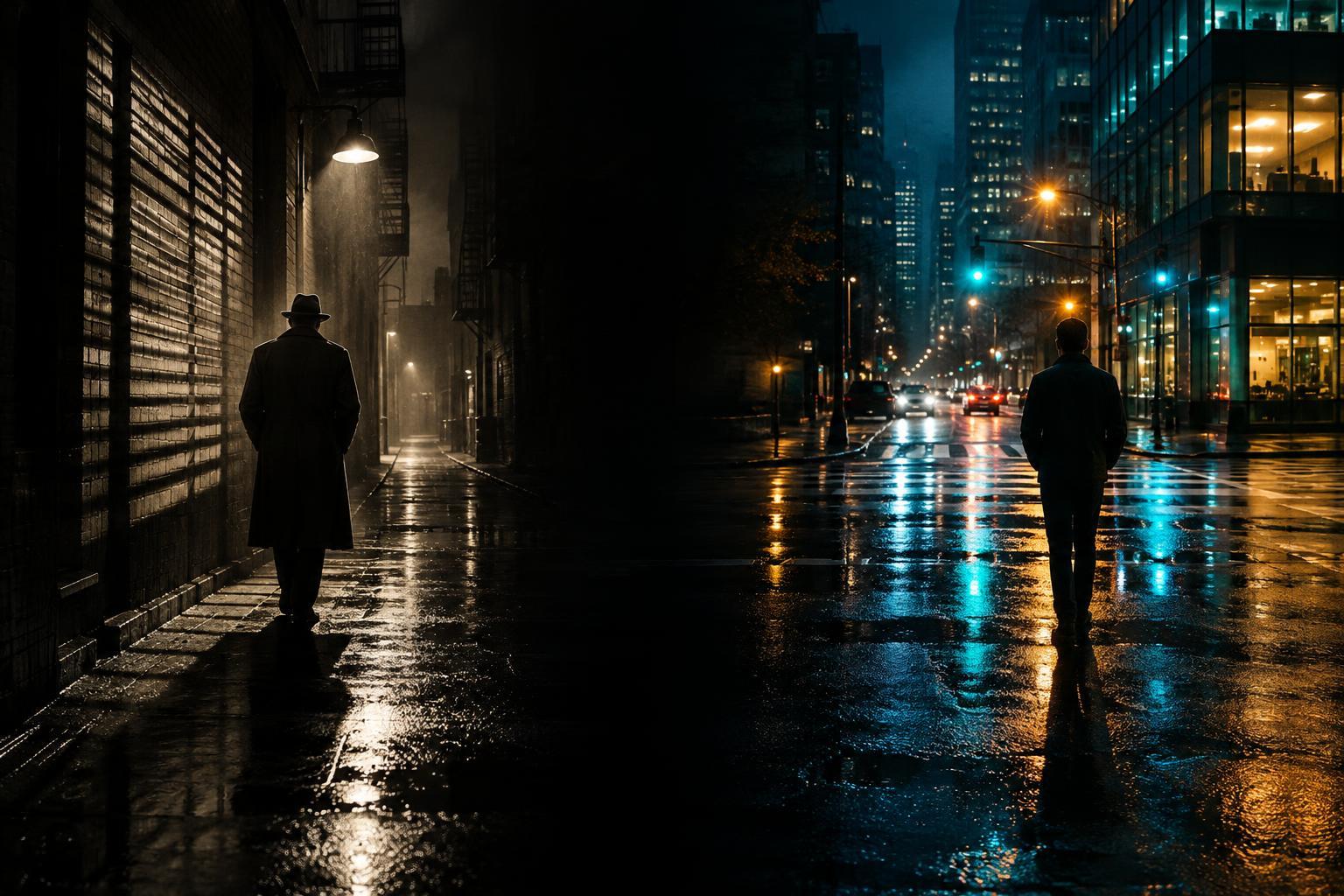
Cinema and GenresFilm noir and neo-noir share a taste for moral uncertainty, dangerous choices and uneasy atmosphere. Their differences lie not just in color or era, but in how later filmmakers adapt noir’s storytelling tools to new settings, characters and anxieties.
Read article · 4 min↗
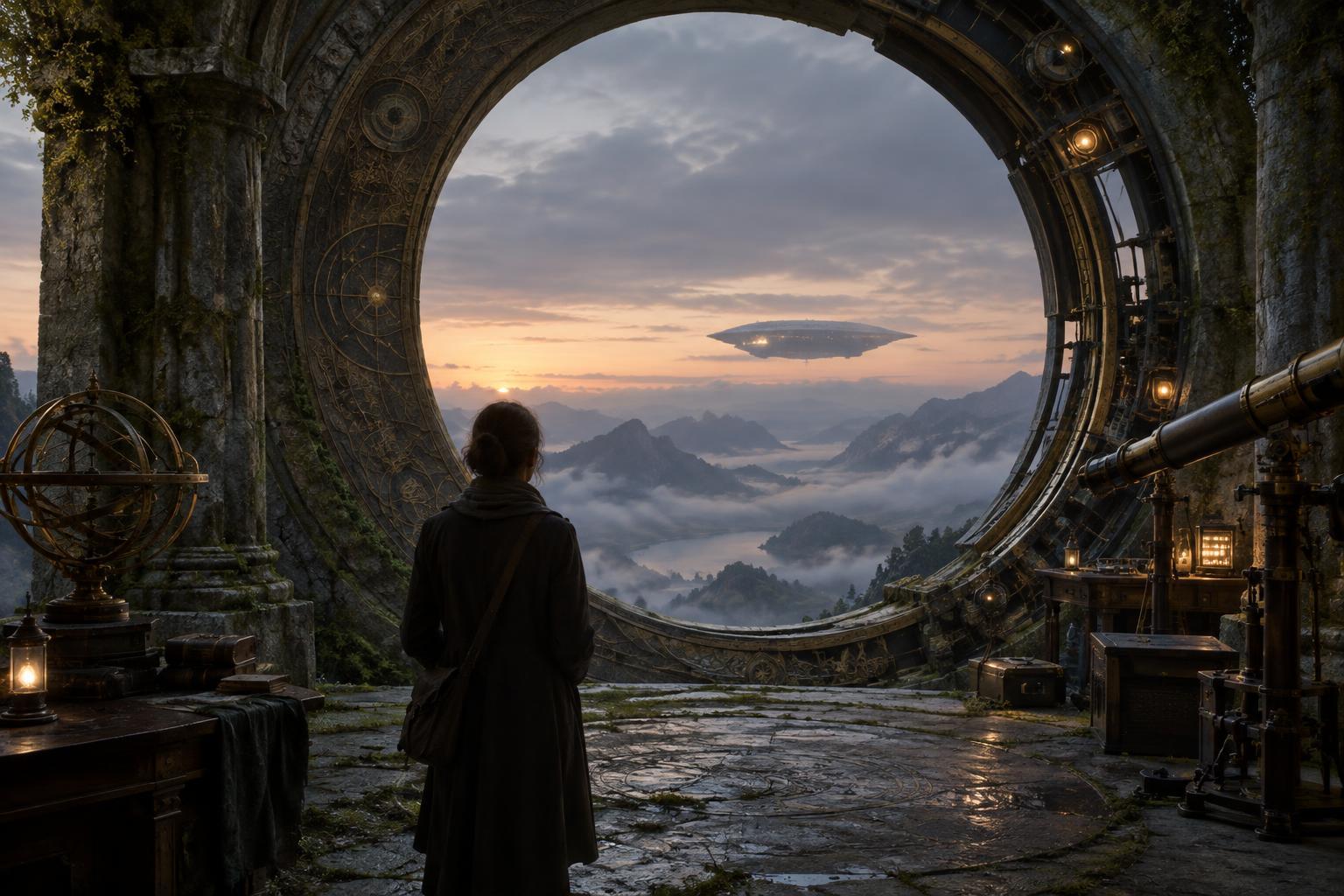
Cinema and GenresA spaceship does not automatically make a film science fiction, and a prophecy does not automatically make it fantasy. The distinction often lies in how a story explains its impossible elements, what questions those elements raise, and what the audience is asked to accept.
Read article · 4 min↗

Cinema and GenresSpaceships and future cities can signal science fiction, but they are not what makes a story speculative. Learn how to find the central “what if,” trace its consequences, and see how film form brings it to life.
Read article · 4 min↗
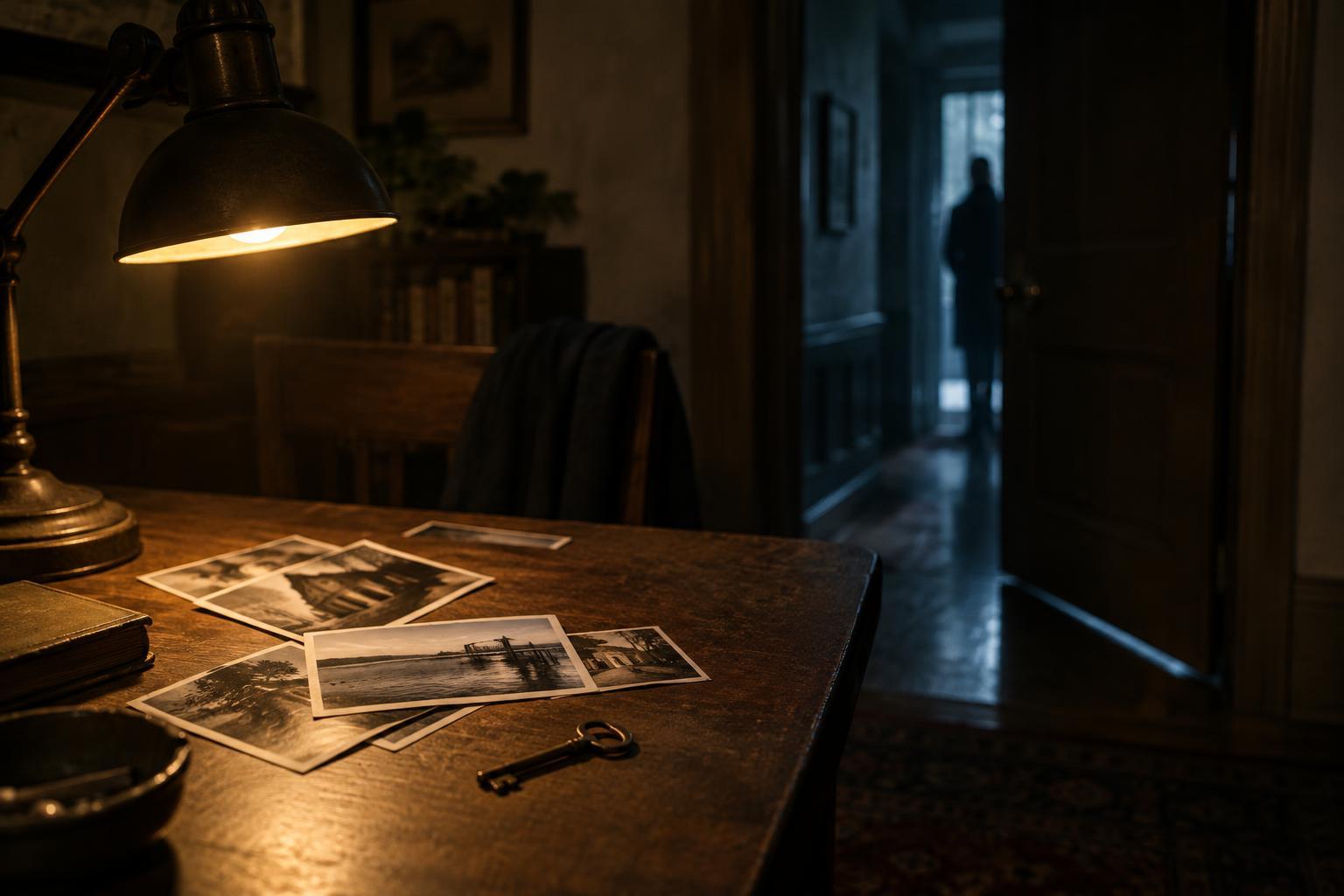
Cinema and GenresMysteries invite us to piece together what happened; thrillers make us worry about what will happen next. The distinction is useful for viewers and filmmakers alike, especially when a story does both.
Read article · 4 min↗
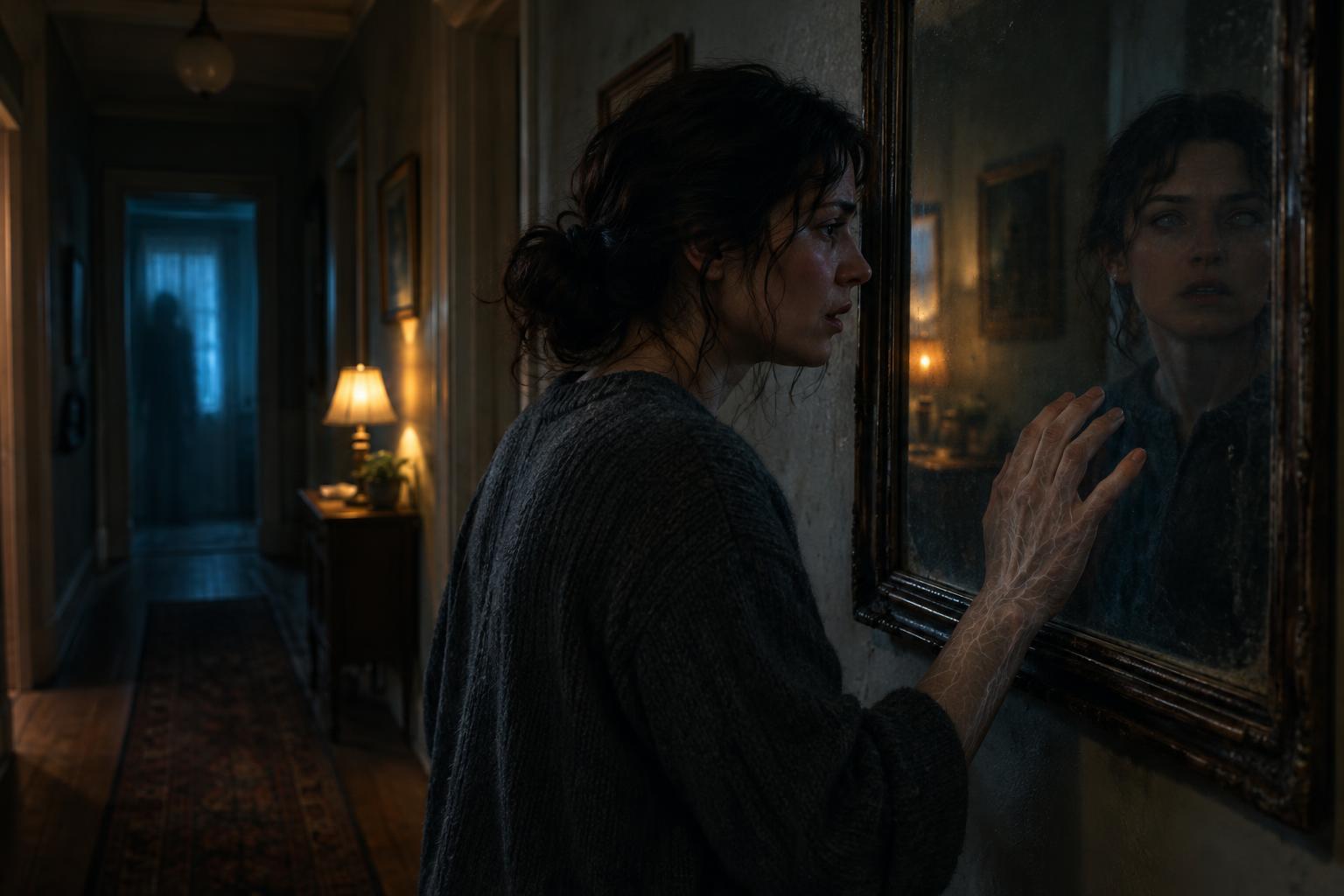
Cinema and GenresSupernatural, psychological, and body horror can all make an audience uneasy, but they place the threat in different places. This guide explains what each subgenre asks viewers to fear, how filmmakers create that fear, and why the boundaries often blur.
Read article · 4 min↗

Cinema and GenresA film’s opening scenes can reveal what kind of story it is preparing to tell. Learn to read the clues in its central question, characters, images, sound and pacing—without assuming that one eerie shot or funny line settles the genre.
Read article · 4 min↗
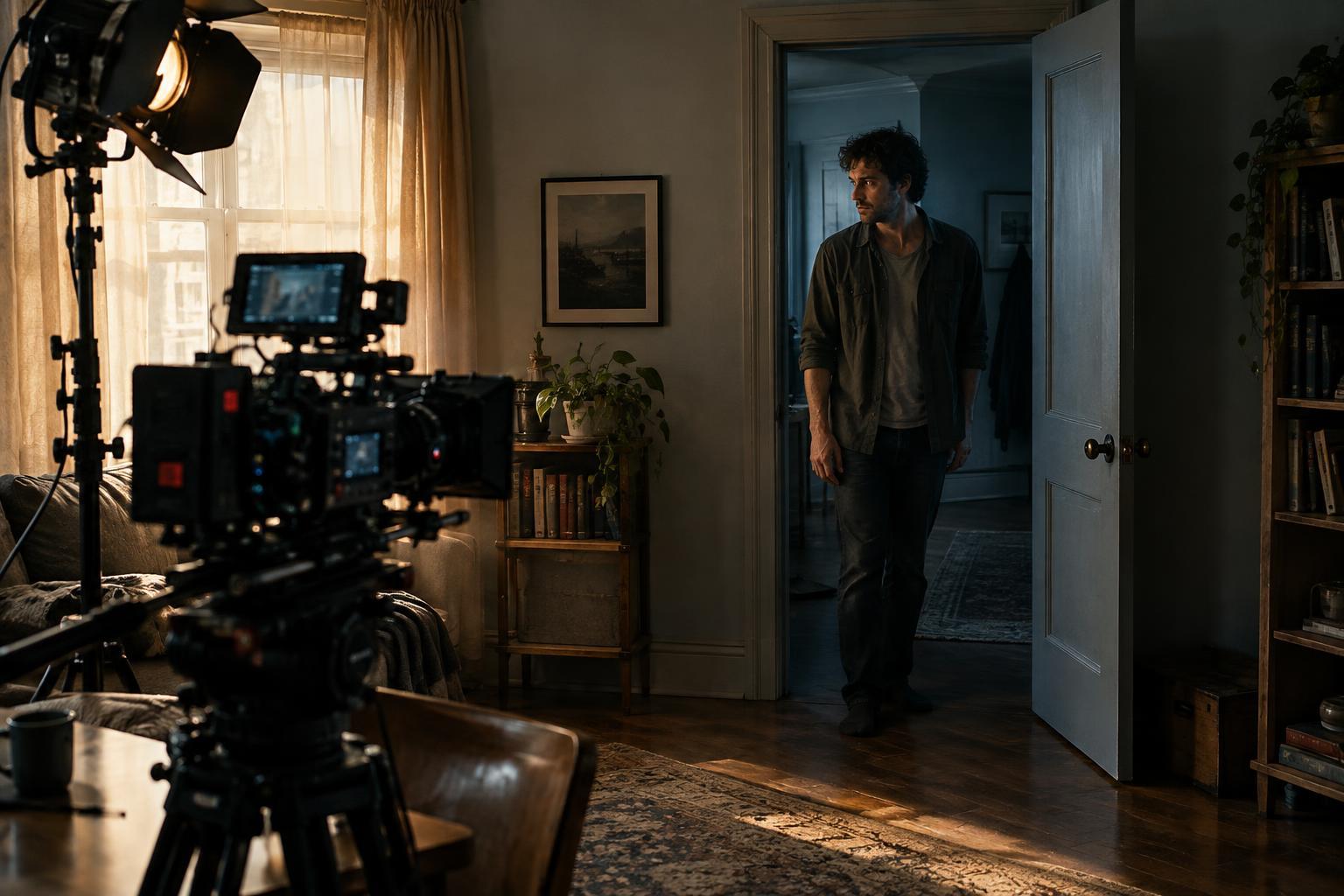
Cinema and GenresGenre, tone, and visual style often overlap, but they answer different questions. Learn how to identify each one, see how they interact, and use the distinction to make clearer storytelling choices.
Read article · 4 min↗
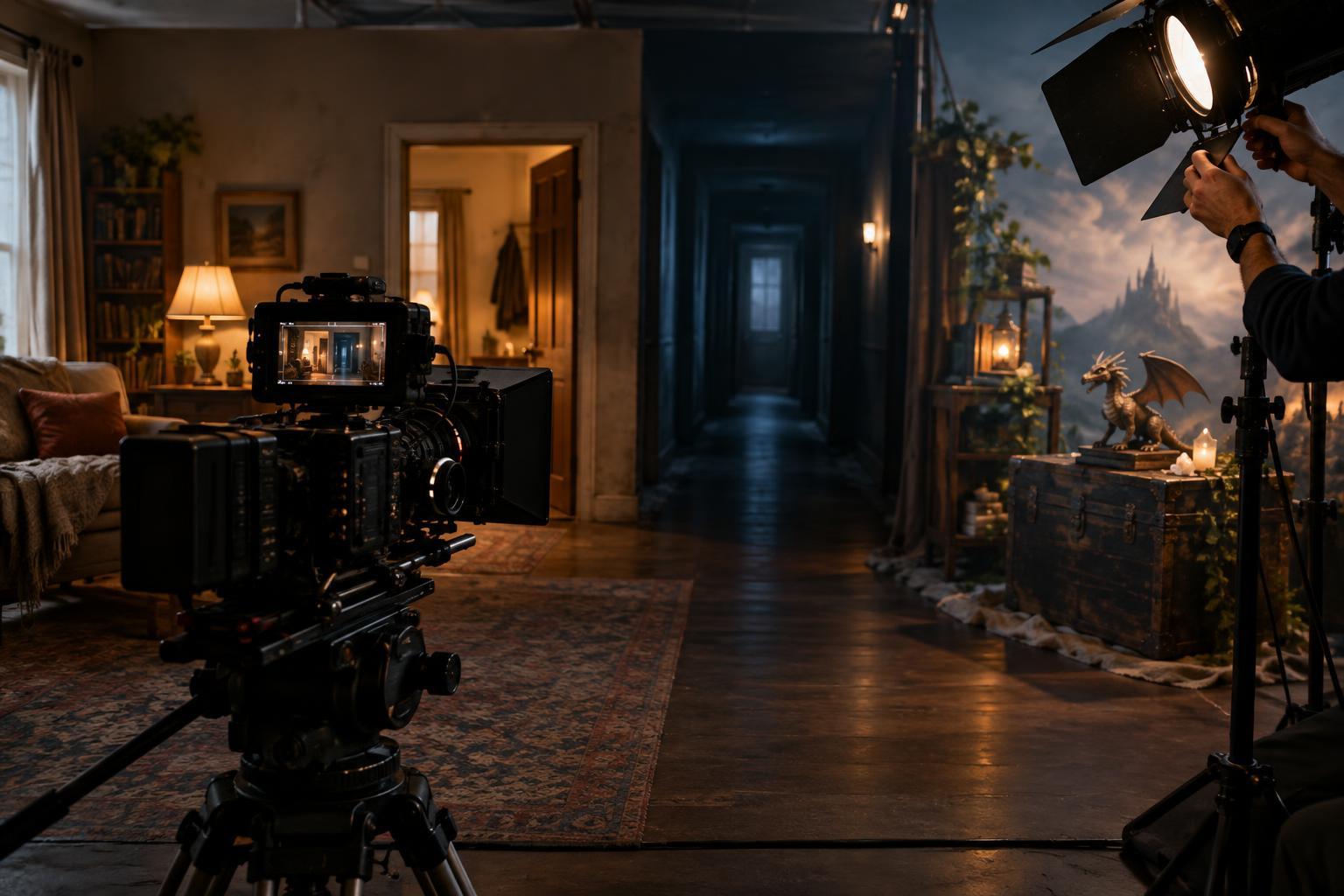
Cinema and GenresA film genre is more than a label on a streaming menu. It is a set of storytelling conventions that helps audiences anticipate an experience while giving filmmakers room to surprise them. Learn how genre works through story, style, expectation, and the exceptions that keep it alive.
Read article · 3 min↗